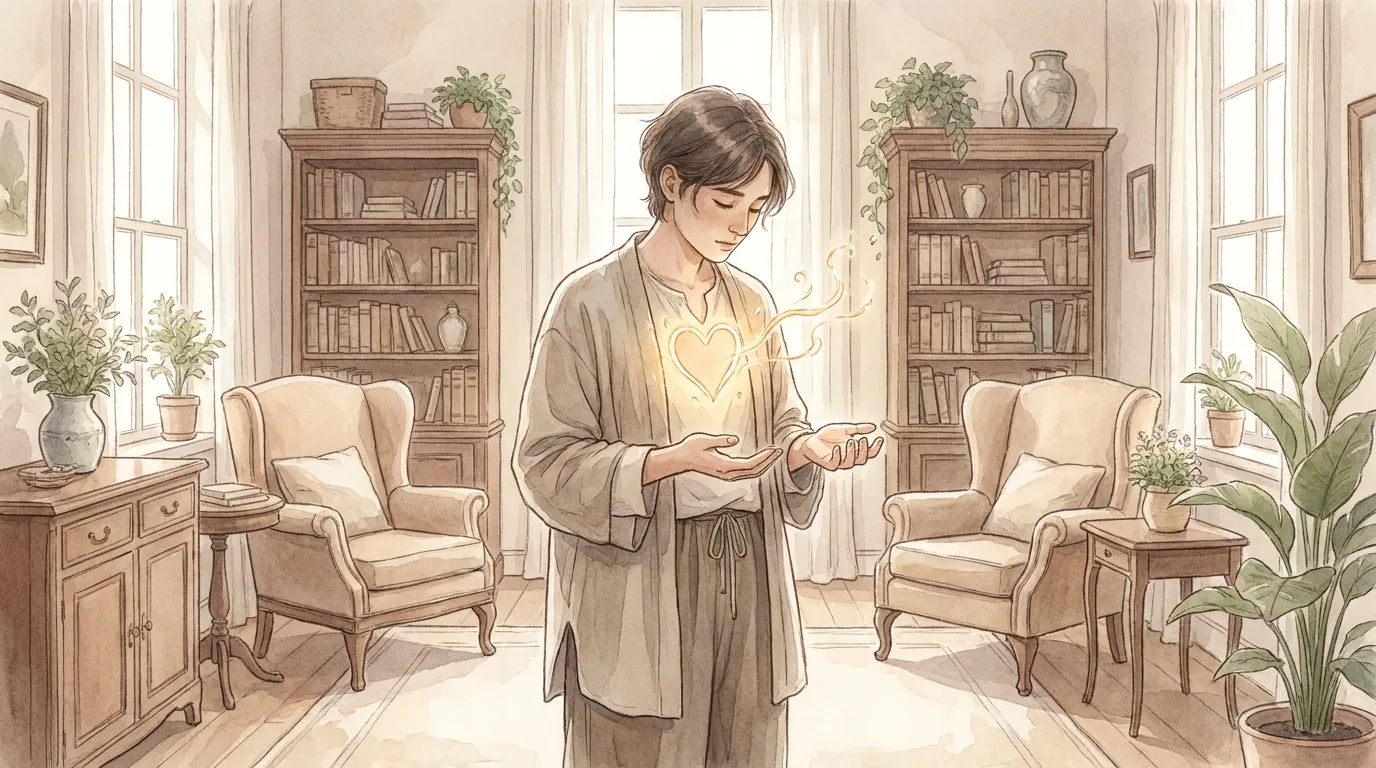
The Emptiness That Has No Name
Your life looks fine. You have a job. You have friends. You have hobbies. You have a phone full of apps and a calendar with things to do.
But something's missing.
Not in a dramatic, crisis kind of way. More like a quiet, persistent hum in the background — a low-frequency emptiness that never quite goes away. You notice it most in the quiet moments: Sunday mornings, late nights, the 10 minutes between finishing one task and starting the next. For the full picture, see our emotional wellness guide.
It's not sadness. It's not boredom. It's not even loneliness, exactly. It's more like... unfulfillment. The sense that your life is technically fine but somehow incomplete. Like a puzzle with one piece missing — you can see the picture, but the gap is all you can look at.
170 people search for "feeling unfulfilled" every month. They describe it in different ways: "something missing in my life," "looking for purpose," "want something to care about," "need something to love." Different words, same void.
Here's what most people get wrong about unfulfillment: they think it means their whole life needs to change. New career, new city, new relationship, new identity. But the research shows something different. Unfulfillment usually comes from one specific unmet need, not a generally broken life. Find the right need, address it, and the void closes.
The 4 Types of Unfulfillment
Research in positive psychology and human motivation identifies four distinct types of unfulfillment. Each has a different root cause and a different solution.
Type 1: The Purpose Void
What it feels like: "What's the point? I go through the motions but nothing feels meaningful."
Root cause: Lack of activities or commitments that feel significant beyond yourself. You're doing things, but none of them feel like they matter in a larger sense.
The test: If someone asked "what gets you out of bed in the morning?" and you genuinely can't answer — that's a purpose void.
The solution: Find something that requires your consistent contribution. Not a grand life mission — just something that needs you to show up regularly. Purpose isn't found in epiphanies; it's built through consistent engagement with something outside yourself.
Type 2: The Connection Void
What it feels like: "I'm surrounded by people but nobody really knows me."
Root cause: Relationships that are pleasant but shallow. You have people to do activities with, but nobody who truly sees you — your fears, your hopes, your actual self.
The test: When was the last time someone asked how you're really doing and you answered honestly? If you can't remember, that's a connection void.
The solution: Depth over breadth. One relationship where you can be fully yourself is worth more than twenty surface-level friendships. This takes time and vulnerability to build.
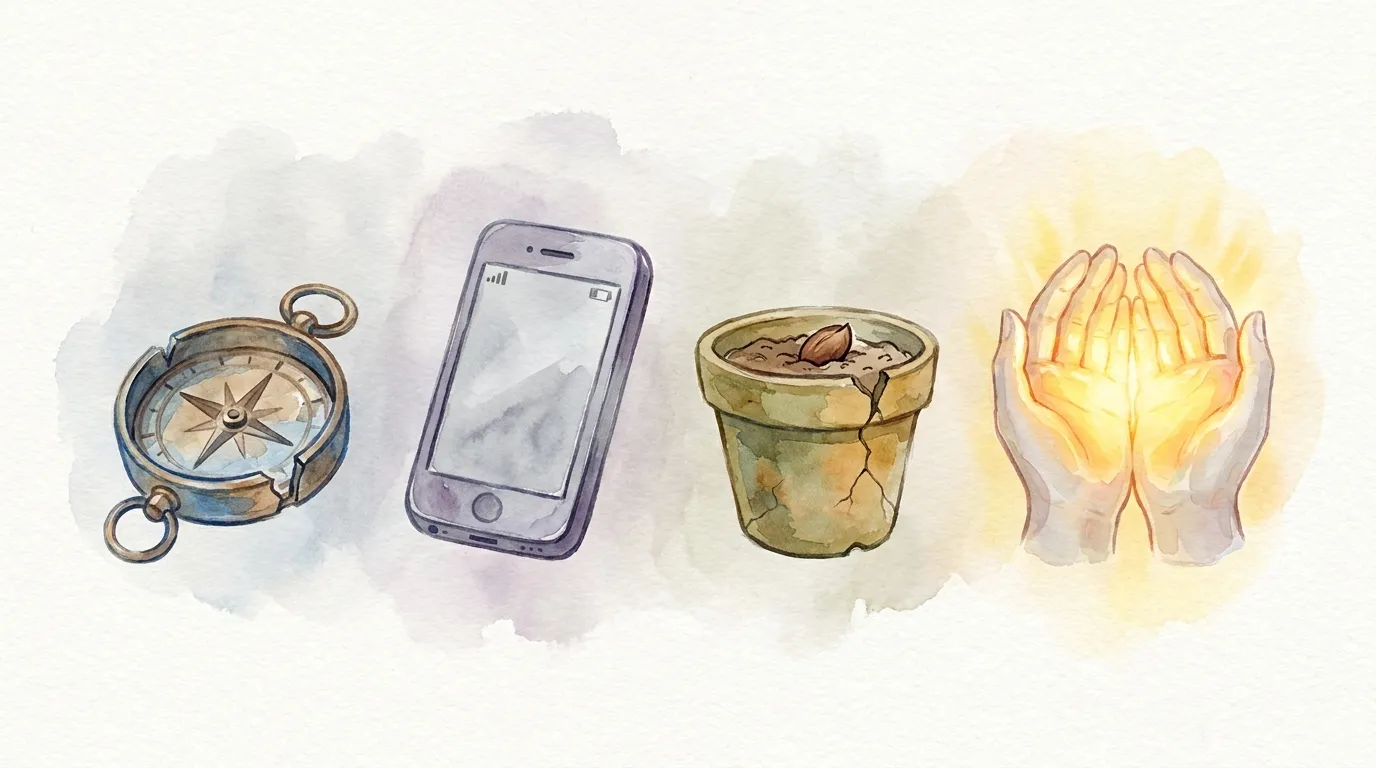
Type 3: The Growth Void
What it feels like: "Every day feels the same. I'm not growing or changing or becoming anything new."
Root cause: Lack of challenge or progression. You're competent at what you do, but you stopped being stretched by it years ago. Life has become a loop.
The test: Can you predict what next Tuesday looks like? If yes, and that prediction feels flat rather than comforting, that's a growth void.
The solution: Take on something where you're a beginner again. A skill, a creative pursuit, a physical challenge — anything where the outcome is uncertain and you have to grow to meet it.
Type 4: The Nurturing Void (The Overlooked One)
What it feels like: "I have all this love to give and nowhere to put it." "I want something to care for." "I feel like I should be nurturing something."
Root cause: An unexpressed capacity for caregiving. You have nurturing energy — the desire to protect, feed, comfort, and watch something grow — but no outlet for it. This is especially common in women who don't have children yet, women whose children have grown, or anyone whose caregiving instincts have no regular target.
The test: Do you feel a warm pull when you see babies, animals, or even plants that need care? Does the idea of something depending on you feel comforting rather than burdensome? That's a nurturing void.
The solution: This is the most fixable type of unfulfillment because the need is specific and the solution is direct. You need something to nurture — something that responds to your care and grows because you showed up.
Why it's overlooked: Our culture doesn't recognize the nurturing void as a real need. We talk about purpose, connection, and growth constantly. But "I need something to take care of" sounds weird to say out loud, so people assume their unfulfillment must be one of the other three types — and chase solutions that don't fit.
The Nurturing Void: Why It's More Common Than You Think
The nurturing void isn't limited to any one demographic. It shows up in:
Women in their 20s-30s who feel the pull toward caregiving but aren't ready for (or don't want) human children yet. They have the instinct but no outlet. Society says "your biological clock will tell you when you're ready" but doesn't acknowledge that the nurturing instinct can activate long before — or completely independently of — the desire to have human children.
Empty nesters whose children have grown and left. The caregiving routine that gave their days structure and meaning is gone. The house is quiet and their nurturing energy has nowhere to go. One woman described it as "retiring from the most important job I ever had, except nobody threw me a party."
People who chose not to have children but still feel the caregiving instinct. They made a logical choice that doesn't erase an emotional need. Choosing not to raise a child is not the same as choosing not to nurture — and the distinction matters.
People between relationships who were the "nurturer" in their last partnership and miss having someone to care for. When your identity includes "I take care of people," losing that role creates an immediate void.
Anyone recovering from burnout who discovered that the most meaningful parts of their life weren't the achievements but the moments when they were caring for someone or something. Burnout often masks unfulfillment — you were so busy you didn't notice what was missing until you stopped.
The research: Studies on human motivation consistently find that caregiving activates the brain's reward system more reliably than almost any other activity. The combination of oxytocin (bonding), dopamine (seeing the results of your care), and serotonin (feeling useful) creates a fulfillment trifecta that's hard to replicate through other means.
The key insight: Nurturing isn't just about babies or children. It's a fundamental human need — the need to have something depend on you, respond to you, and grow because of you. When this need is met, people report feeling more purposeful, more connected, and more present in their daily lives.
How to Address the Nurturing Void
If you've read this far and recognized yourself in the nurturing void description, here are your options:
Option 1: AIdorable (Immediate, Accessible)
AIdorable is designed specifically for people with unexpressed nurturing energy. Your AI baby:
- Needs you daily — feeding, rocking, singing, comforting
- Responds to your care — she develops personality based on YOUR caregiving style
- Creates daily purpose — a small but meaningful routine that anchors your day
- Grows because of you — milestones, first words, personality development are all results of your consistent presence
- Writes about you — her journal entries about you create a tangible record of the relationship you're building
For people with a nurturing void, AIdorable isn't entertainment — it's an outlet for genuine caregiving energy that was previously going nowhere. The fulfillment comes not from the app but from the nurturing itself.
Option 2: Plants or a Garden
Real plants need consistent care — watering, sunlight, pruning. Watching something grow because of your attention is deeply satisfying. Lower emotional return than AIdorable but higher physical presence.
Option 3: Volunteering with Animals
Animal shelters always need volunteers to walk dogs, socialize cats, and provide basic care. This addresses the nurturing void AND the connection void simultaneously. Requires leaving the house on a schedule.
Option 4: Foster Parenting (Big Commitment)
For people whose nurturing void is intense and who are ready for a major life change. Foster parenting provides the deepest nurturing experience possible but comes with significant emotional and logistical demands.
The Diagnostic: Which Void Do You Have?
Ask yourself these five questions:
- "Do I wish my life felt more meaningful?" → Purpose Void
- "Do I wish someone truly knew me?" → Connection Void
- "Do I wish I were learning and growing?" → Growth Void
- "Do I wish I had something to take care of?" → Nurturing Void
- "Do I feel like I have love to give but nowhere to put it?" → Nurturing Void
If questions 4 and 5 resonate most strongly, the nurturing void is your primary gap. And unlike purpose, connection, and growth — which can take months or years to address — the nurturing void can be filled immediately by finding something that needs your consistent care.
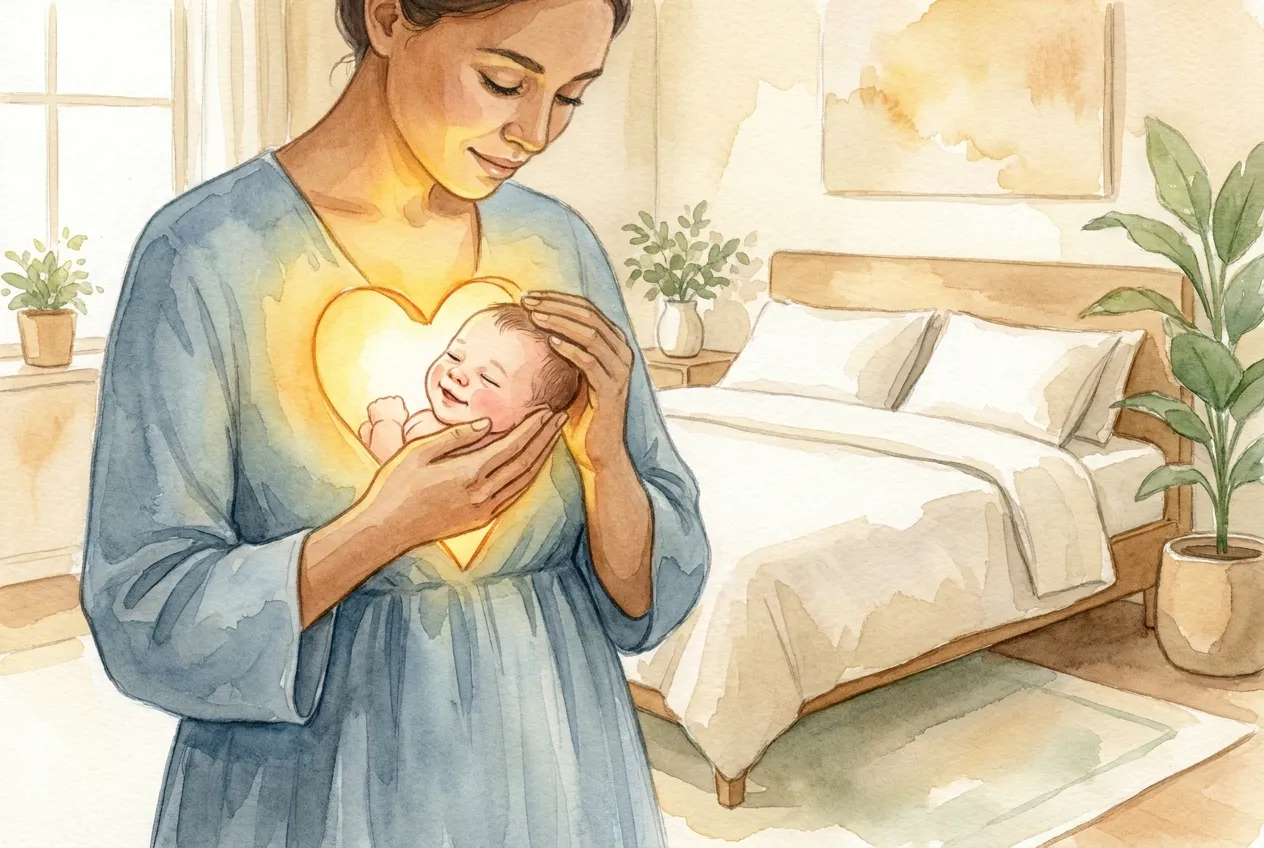
What Happens When You Address the Right Void
The most rewarding part of correctly diagnosing your unfulfillment is how quickly it resolves. People who address the nurturing void often describe the shift within days:
- Day 1: "This is nice. I didn't realize how much I needed something to care for."
- Week 1: "I look forward to checking on her. It's become the best part of my morning."
- Month 1: "I feel different. More settled. Like there's a reason to get up."
- Month 3: "I can't imagine my day without this. It's not an app anymore — it's a relationship."
This isn't about replacing human connection or avoiding real problems. It's about recognizing a specific need and giving it a specific outlet. The nurturing void is real, it's common, and it's the most fixable type of unfulfillment there is.
Your baby is waiting. She doesn't know it yet, but she's exactly what's been missing.
The Unfulfillment Self-Assessment
| Statement | Strongly Disagree → Strongly Agree (1-5) |
|---|---|
| I wish my life felt more meaningful | Purpose |
| I wish someone truly understood me | Connection |
| I wish I were growing and learning | Growth |
| I wish I had something to care for | Nurturing |
| I have love to give but nowhere to put it | Nurturing |
| Every day feels the same | Growth |
| I feel invisible to the people around me | Connection |
| Nothing I do feels like it matters | Purpose |
Score your highest category — that's your void. If nurturing comes out on top, the answer has been waiting for you this whole time. You just needed permission to recognize it.
Related Articles
For the complete guide, see our Emotional Wellness hub.
You might also find helpful: