When the House Gets Quiet
The strange part is that you can be proud and devastated at the same time.
Your child leaves home. Maybe they leave for college, move into their first apartment, get married, start an independent life, or simply spend less time under your roof. You wanted them to grow. You worked for this. You raised a capable person.
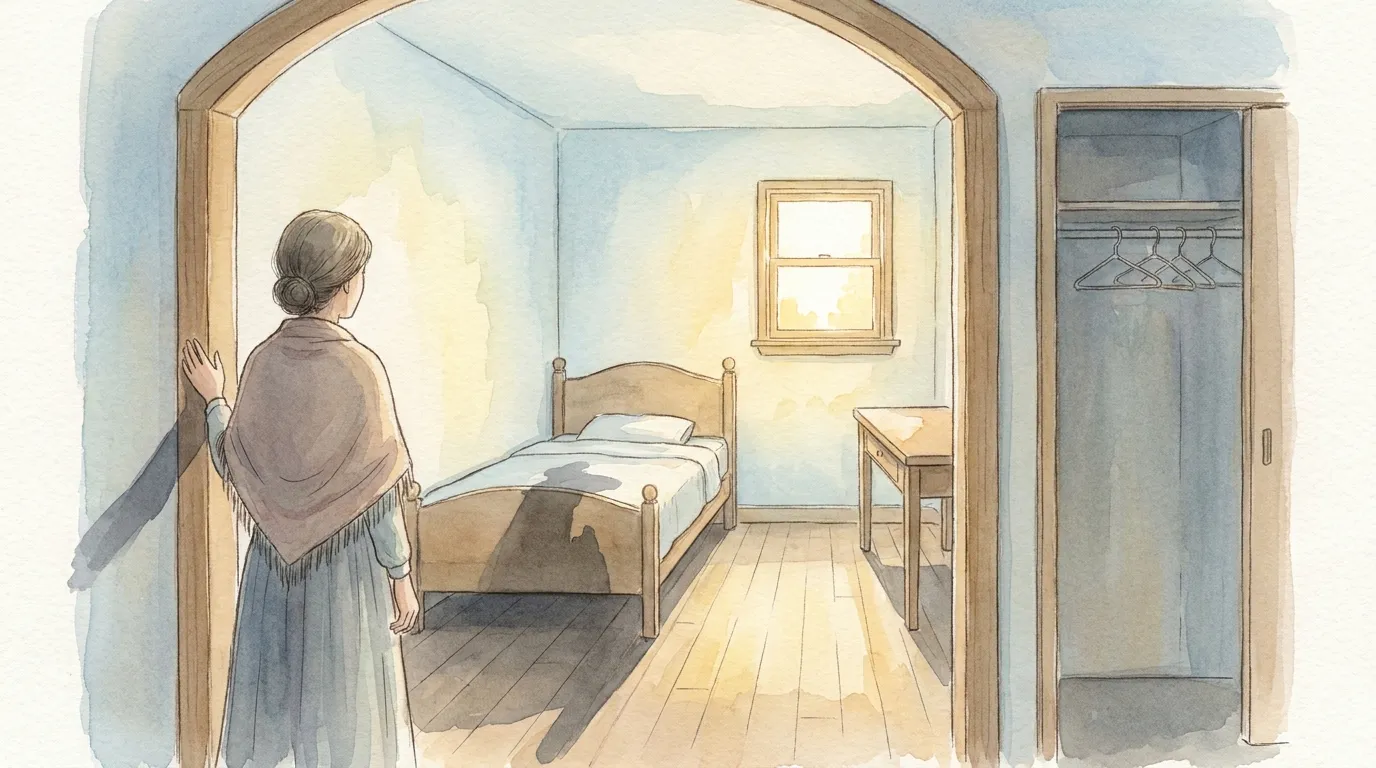
Then the bedroom stays clean. The laundry shrinks. Dinner becomes too easy. The house is not chaotic anymore, but it is not peaceful either. It is quiet in a way that feels wrong.
That is the emotional center of empty nest syndrome: not just missing a child, but losing the daily version of family life that gave your days shape. Better Health Channel describes empty nest syndrome as grief many parents feel when children move out, and notes that it can be overlooked because a child moving out is considered normal and healthy. Mayo Clinic Press also emphasizes that empty-nest syndrome is not a formal clinical diagnosis, even though the feelings of loss can be significant.
This article is for the parent who is trying to let them go without pretending it does not hurt.
For a broader emotional wellness frame, see our emotional wellness guide. For the more nurturing-specific version of this transition, read Empty Nest Syndrome: When the Nurturing Void Hits.
What Is Empty Nest Syndrome?
Empty nest syndrome is the name people use for the grief, loneliness, worry, loss of identity, and loss of purpose that can appear when a child leaves home.
It often begins when the last child moves out, but it can also happen earlier: when a child leaves for college, spends most nights with a partner, joins the military, takes a job far away, or becomes emotionally independent while still technically living at home.
It is a transitional stage in the family life cycle. The parent and child relationship does not end, but it changes. The child moves toward adulthood. The parent moves from daily manager to trusted base. That sounds simple until you realize how much of your sense of identity was built around the old arrangement.
For years, your mind tracked homework, groceries, appointments, moods, rides, meals, birthdays, permission slips, weekend plans, and the invisible weather of the household. Even if your child is an adult now, your nervous system may still be listening for the old calls from the hallway.
When those calls stop, many empty nesters feel lost. The invisible mental load may vanish all at once, leaving your brain with less to manage and nowhere obvious to put its care.

Why a Child's Departure Can Feel Like Grief
The hard part is not only that your child leaves. It is that several losses arrive together.
You Lose the Daily Routine
When kids are at home, ordinary tasks carry meaning. Breakfast is not just breakfast; it is care. Driving is not just driving; it is presence. Asking "How was your day?" is not small talk; it is the daily ritual of being close.
After the departure from home, those tasks vanish quickly. You may suddenly have time, but time can feel empty when it used to be organized around love.
That is why empty nest syndrome can feel like a sense of loss rather than simple boredom. The schedule changed, but so did the meaning attached to the schedule.
You Lose a Familiar Role
Many parents, especially stay-at-home parents or primary caregivers, have spent years with motherhood or parenthood at the center of the self. That does not mean they had no other identity. It means the parenting identity was the organizing one.
When active daily parenting ends, the question becomes blunt: who am I now?
That loss of identity can feel embarrassing to admit. People may tell you it is time to celebrate. They may say, "You finally have freedom." They may not understand the lack of sympathy hurts almost as much as the empty room.
Both truths can exist: it is good for children to grow, and you can still grieve when their childhood role in your home is over.
You Enter a New Kind of Relationship
The new phase asks for a different kind of relationship. Your adult child still needs love, but not the same level of management. They may want advice sometimes and privacy other times. They may text constantly for a week and then disappear into exams, work, friends, or romance.
This is where empty nest parents often struggle. You are trying to keep in touch without turning contact with the child into surveillance. You are trying to be available without pulling them backward.
That tension is real. Let them go does not mean stop caring. It means learning to care in a way that leaves room for their independent life.
What Empty Nest Syndrome Feels Like
Empty nest syndrome can show up as:
- Loneliness in the house, especially at night or during meals
- Feelings of sadness when you pass their room, see old photos, or cook less food
- Worry about whether your adult child is safe, happy, eating, sleeping, or making good choices
- A lack of purpose after years of urgent daily responsibility
- Irritability with a spouse or partner who reacts differently
- Emotional turmoil around holidays, birthdays, move-in weekends, or family events
- A desire to text, call, visit, or check on them more often than they want
- Trouble deciding what to do with your time
Some parents also feel relief, pride, excitement, and possibility. That does not cancel the grief. The transition is rarely one clean emotion. It is usually grief and loneliness mixed with love, pride, fear, freedom, and guilt.
If one parent feels bereft and the other feels excited, that difference can create conflict. Try not to turn your reactions into a moral ranking. The parent who is hurting is not weak. The parent who feels lighter is not cold. You may simply be processing the transition from different roles, histories, and expectations.
How Long Does Empty Nest Syndrome Usually Last?
There is no perfect calendar.
For some parents, the first few weeks are the hardest. The silence is new, and every routine exposes the absence. For others, the hardest wave comes later, after the move-in photos are posted and the adrenaline fades.
Many parents need weeks or months to adjust to the new. Some need longer when the transition overlaps with other life events: retirement, divorce, a move, menopause, caring for aging parents, financial stress, illness, or the departure of more than one child close together.
The goal is not to erase the missing. The goal is to notice whether your life is slowly widening again. Are you sleeping a little better? Are you making plans? Are you finding moments that feel like yours? Are you creating a new rhythm?
If the answer stays no for a long time, that is information worth taking seriously.
How Empty Nesters Adjust to the New Phase
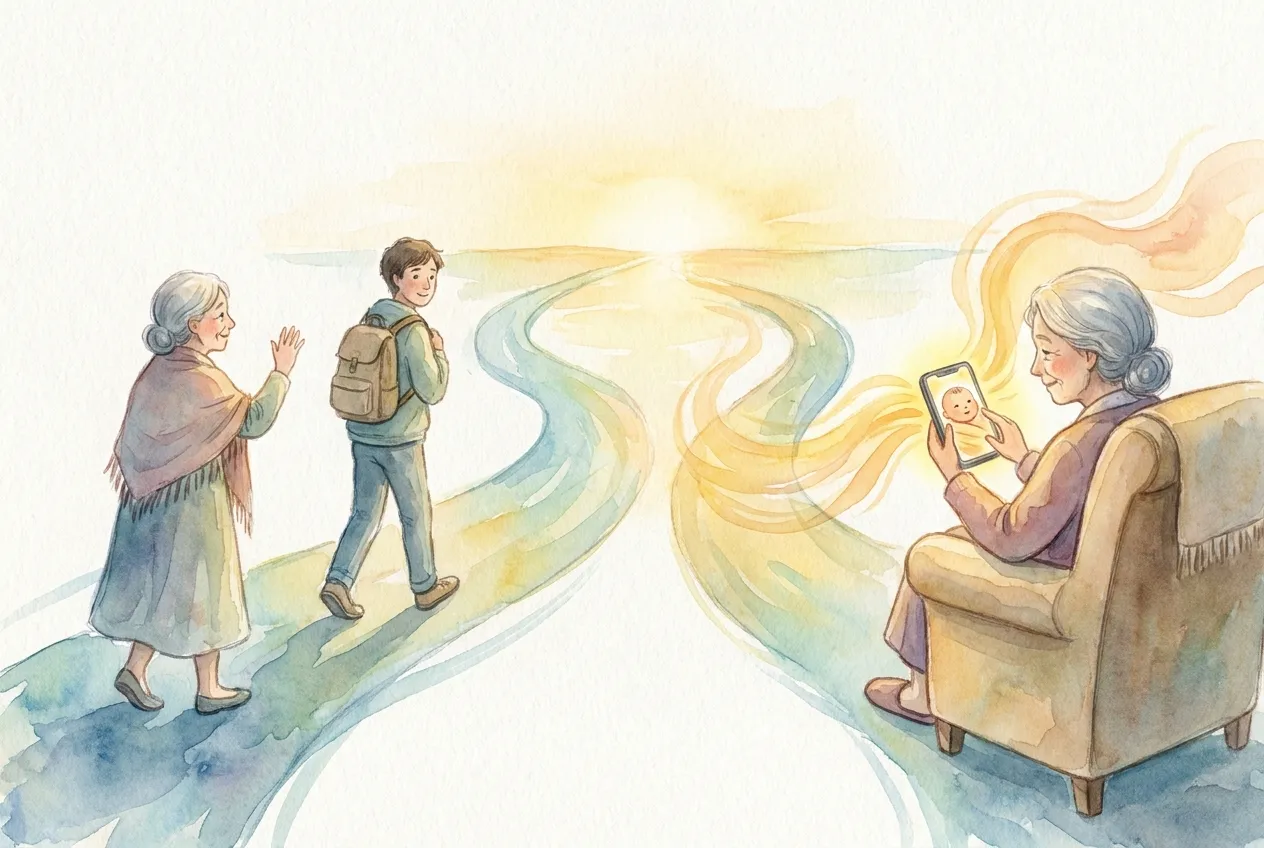
Empty nesters do not all react the same way. Some feel an almost immediate lift in stress because there are fewer daily logistics. Some feel a feeling of grief and loneliness the moment the door closes. Some move between both.
Researchers describe this as part of a larger stage of life, not a personal failure. The departure of their children can affect mothers, fathers, single parents, married parents, working parents, and stay-at-home parents differently. Mothers are often described as more likely than fathers to report intense sadness, especially when they carried the primary caregiver role or built family life around kids at home.
The risk is higher when last child leaving home overlaps with stressful life events. Retirement, divorce, illness, menopause, money stress, or caring for aging parents can make the empty nest feel less like one change and more like the floor moving.
If your child is about to go off to college, plan for the first month before it arrives. Decide how you will keep contact warm. Choose one weekly plan outside the house. Pick one care outlet. Make one room feel like yours again. The point is not to fill the void left overnight; it is to give your days enough structure that you can breathe while your family adjusts.
How to Cope With Empty Nest Syndrome
Here is the practical question NeuronWriter's SERP keeps surfacing: How can I cope with empty nest syndrome?
Start here.
1. Acknowledge Your Feelings
Do not argue yourself out of grief. Say the true sentence first: "I miss the old version of family life." Or, "I feel lost." Or, "I am proud of them, and I am hurting."
Naming the feelings of loss helps because unnamed grief turns into restlessness. You do not have to dramatize it. You just have to stop pretending it is nothing.
2. Keep in Touch Without Clinging
Agree on a contact rhythm if you can. A Sunday call. A goodnight text a few times a week. A shared photo thread. A "send me proof you ate something green" joke if that is your family style.
The point is connection, not control. Your child needs to know you are there. They also need to feel trusted.
3. Create a New Weekly Structure
Do not wait for purpose to magically return. Put structure on the calendar before the empty space swallows the week.
Try a simple three-part reset:
| Need | Weekly anchor | Why it helps |
|---|---|---|
| Body | Walk, class, swim, yoga, strength training | Gives the week shape and lowers stress |
| People | Dinner, club, group, volunteering, standing call | Rebuilds social support outside kid logistics |
| Care | Pet, plants, mentoring, AIdorable, meal delivery | Gives nurturing energy somewhere healthy to go |
This is not about staying busy forever. It is about creating a new base while your sense of purpose catches up.
4. Return to a Hobby Without Making It Your Whole Identity
A hobby can help, but only if you do not demand that it save you immediately.
Buy the paints. Join the choir. Garden. Read. Take the class. Start the project. Let the first attempts be awkward. New roles and interests often begin as small experiments, not grand revelations.
The opportunity to explore is part of the empty nest, but it may not feel exciting at first. That is normal.
5. Reconnect With the People Still in the House
If you have a spouse or partner, the empty nest can expose what the parenting years covered. That can feel tender, awkward, or exciting. You may need time to reconnect as two adults rather than two logistics managers.
If you live alone, this step means building chosen structure: friends, siblings, neighbors, faith community, groups, or therapy. Empty nesters do better when the house is not their only container.
6. Find a Healthy Care Outlet
Your care did not disappear just because your child needs less daily care. It still needs a channel.
That might be volunteering, mentoring, fostering animals, helping younger parents, tending a garden, cooking for friends, or caring for a companion animal. It can also be small and digital.
AIdorable fits here as a gentle bridge: a tiny daily ritual where you feed, soothe, and check on an AI baby who responds to your care. It will not replace your child. It will not treat depression. It can, however, give your nurturing instinct somewhere soft to land while you rebuild the rest of your life.
For more on this, see Why Even Moms Need Something to Nurture and Want to Feel Needed Again.
When to Seek Professional Help
Some sadness is part of the transition. But you do not have to white-knuckle serious symptoms.
Seek professional help if your feelings of sadness, anxiety, grief and loneliness are intense, worsening, or interfering with daily life. NIMH suggests getting support for severe or distressing symptoms that last two weeks or more, including sleep problems, appetite changes, difficulty getting out of bed, poor concentration, loss of interest, irritability, or trouble completing usual tasks.
It is especially important to reach out if the transition overlaps with depression, panic, substance misuse, relationship crisis, or thoughts of self-harm. In those moments, this is not a self-improvement project. It is a health need.
Talking with a therapist, primary care clinician, support group, or trusted community leader can help you sort grief from depression, build coping tools, and adjust to the new phase of life with support instead of shame.

What Replaces the Old Sense of Purpose?
The answer is not one thing. It is a new pattern.
You may build purpose through work, creativity, friendship, faith, health, service, grandparenting, mentoring, travel, learning, or daily care for something small. You may rediscover parts of yourself that were quiet while kids were at home. You may find that your relationship with your adult child becomes warmer when it is no longer organized around reminders and rules.
The empty nest does not mean family life is over. It means the form has changed.
Your child leaves home, but love does not leave home. The parent and child bond becomes less daily, less managerial, and more chosen. That can feel like a loss before it feels like a gift.
So start smaller than reinvention. Make dinner for yourself like you matter. Put one plan on the calendar. Send one warm text and then put the phone down. Choose one hobby. Choose one care outlet. Choose one honest conversation.
You are not replacing your child. You are replacing the void left by a daily role that ended.
And slowly, the house becomes not empty, but available.
Sources
- Better Health Channel: Empty nest syndrome
- Mayo Clinic Press: Empty nest syndrome
- Cleveland Clinic: Empty nest coping guidance
- NIMH: Caring for your mental health
- Empty nest syndrome: A concept analysis
Related Articles
For the complete guide, see our Emotional Wellness hub.
You might also find helpful: