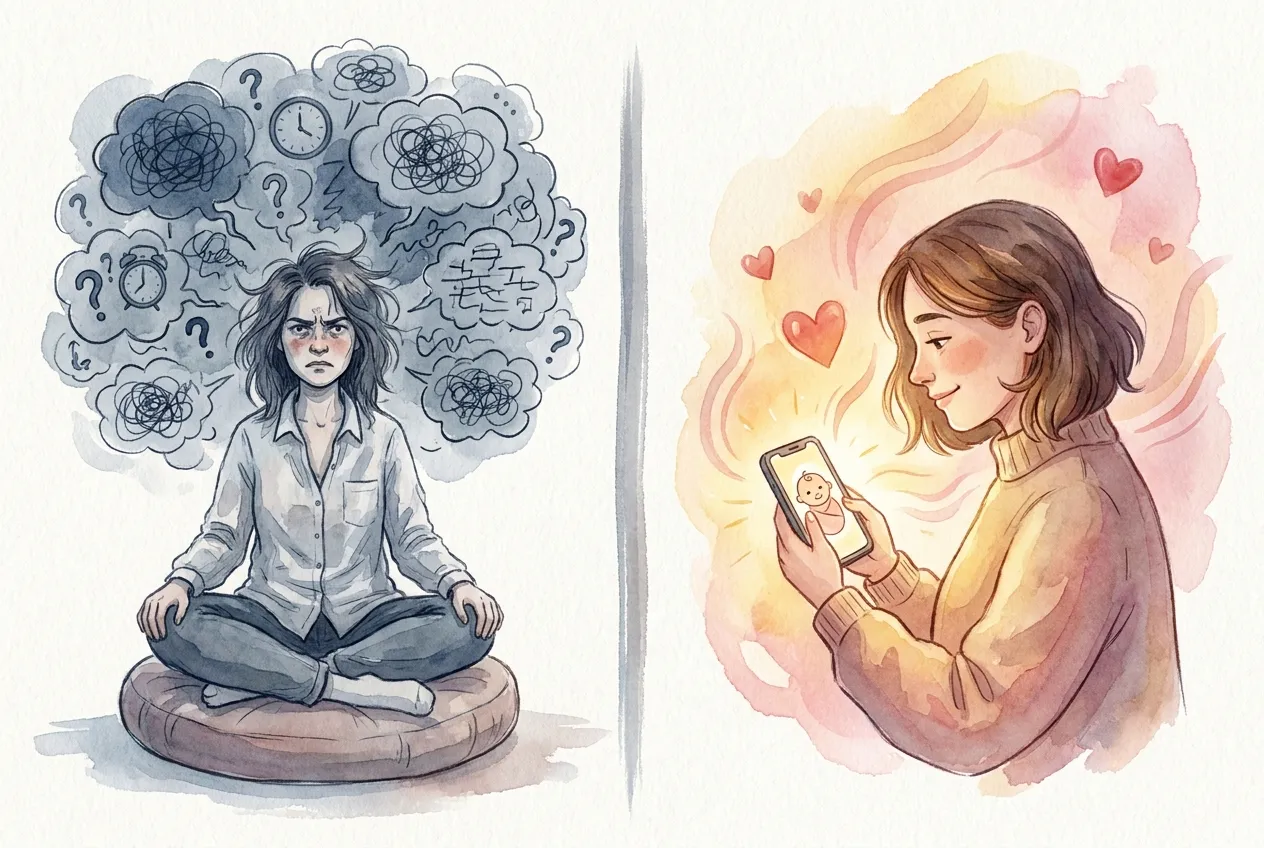
Short answer: Calm is worth it if you will genuinely use its meditation and sleep library several times a week. Its strongest features are polished Sleep Stories, guided meditation, music, and soundscapes. It is less compelling if you only want an occasional breathing timer or already have a free mindfulness routine that works.
That distinction matters. A beautiful app can make relaxation easier to begin, but paying for a library does not automatically create a habit. The real question is not simply “Is Calm app worth it?” It is: Will Calm become part of your evening, morning, or stressful-day routine?
Calm App Review at a Glance
| Question | Honest answer |
|---|---|
| Best for | Sleep support, beginners, broad meditation variety, and relaxing audio |
| Standout feature | Sleep Stories and polished bedtime content |
| Free experience | Limited selection; useful for testing the interface |
| Premium value | Best when used at least a few times each week |
| Main drawback | Subscription cost and a library that can feel overwhelming |
| Better alternative when… | You want structured lessons, totally free audio, or a nurturing ritual instead of content |
Calm’s official help center says users can explore the Premium meditation, Sleep Stories, and music library through a 7-day free trial. Pricing may differ between the website, Apple App Store, and Google Play, so check the checkout screen rather than relying on an old review.
What Do You Get With the Calm App?
Calm is a meditation app and sleep app built around a large catalog rather than one narrow program. You can use the app for a two-minute reset, a longer guided meditation, a bedtime story, focus music, or background sound.
The main experience includes:
- Guided meditation for stress, anxiety, focus, self-esteem, and mindfulness
- Sleep Stories narrated as gentle bedtime listening
- Music and soundscapes for rest, focus, or relaxation
- Breathing exercises for quick transitions during the day
- Daily sessions that reduce the decision of what to play
- Mindful movement and beginner-friendly programs
This variety is a strength if your needs change. You might use a breathing exercise before a difficult call, choose a meditation after work, and play a story when trying to fall asleep.
It can also create friction. When you are already tired or anxious, dozens of categories can feel like homework. People who want one small repeatable ritual may prefer a simpler self-care app for anxiety or a short list of calming apps.
Is Calm Premium Worth It?
Calm Premium is worth considering when the paid library replaces something you already spend time or money on. If Sleep Stories help you stop scrolling, or a familiar instructor gets you to meditate consistently, the value is practical rather than theoretical.
Calm Premium is probably worth it if you:
- Use Calm three or more times per week
- Struggle to fall asleep and enjoy spoken bedtime audio
- Want guided meditation without searching across different platforms
- Like having mindfulness, movement, music, and sleep content in one place
- Benefit from polished production and familiar voices
- Share the cost through an available family or partner plan
Calm Premium may not be worth it if you:
- Mostly need a free timer or simple breathing exercise
- Already use podcasts, YouTube, or library audio successfully
- Open wellness apps for a week and then forget them
- Feel overwhelmed by large content libraries
- Need clinical treatment rather than a general wellness tool
- Want interaction or emotional connection more than passive audio
The subscription is not paying for calm itself. It is paying to make a calming practice easier to start and repeat.
A useful calculation is cost per real session. An annual subscription used 150 nights feels very different from one used six times. Before paying, complete the free trial during a normal week—not a vacation or unusually motivated weekend—and notice what you voluntarily return to.
Does the Calm App Actually Work?
Calm can work as a delivery system for established practices such as mindfulness meditation, paced breathing, and relaxing bedtime routines. It can provide structure, reminders, and an inviting environment. Those features lower the effort required to begin.
But no meditation app works automatically. Results depend on consistency, expectations, and fit. A ten-minute meditation may help you notice thoughts without chasing them, while a Sleep Story may give your mind a neutral focus as you fall asleep. Neither guarantees instant relief.
Think of Calm as a wellness tool, not a replacement for a therapist, physician, or emergency support. If anxiety, low mood, or insomnia is persistent or severe, professional care matters. Our guide to emotional support apps explains where apps can help and where their limits begin.
The Best Calm Features for Sleep
Sleep is where Calm makes its clearest case. The app does more than offer a meditation timer: it creates an entire transition away from the bright, stimulating internet.
Sleep Stories are deliberately low-stakes narratives designed to hold attention without demanding it. Music and nature soundscapes can mask inconsistent background noise. Sleep meditations guide the body through breathing, relaxation, or a body scan.
That combination is useful when the problem is not simply tiredness but switching modes. A consistent audio cue can tell your brain that planning, messaging, and scrolling are finished for the night.
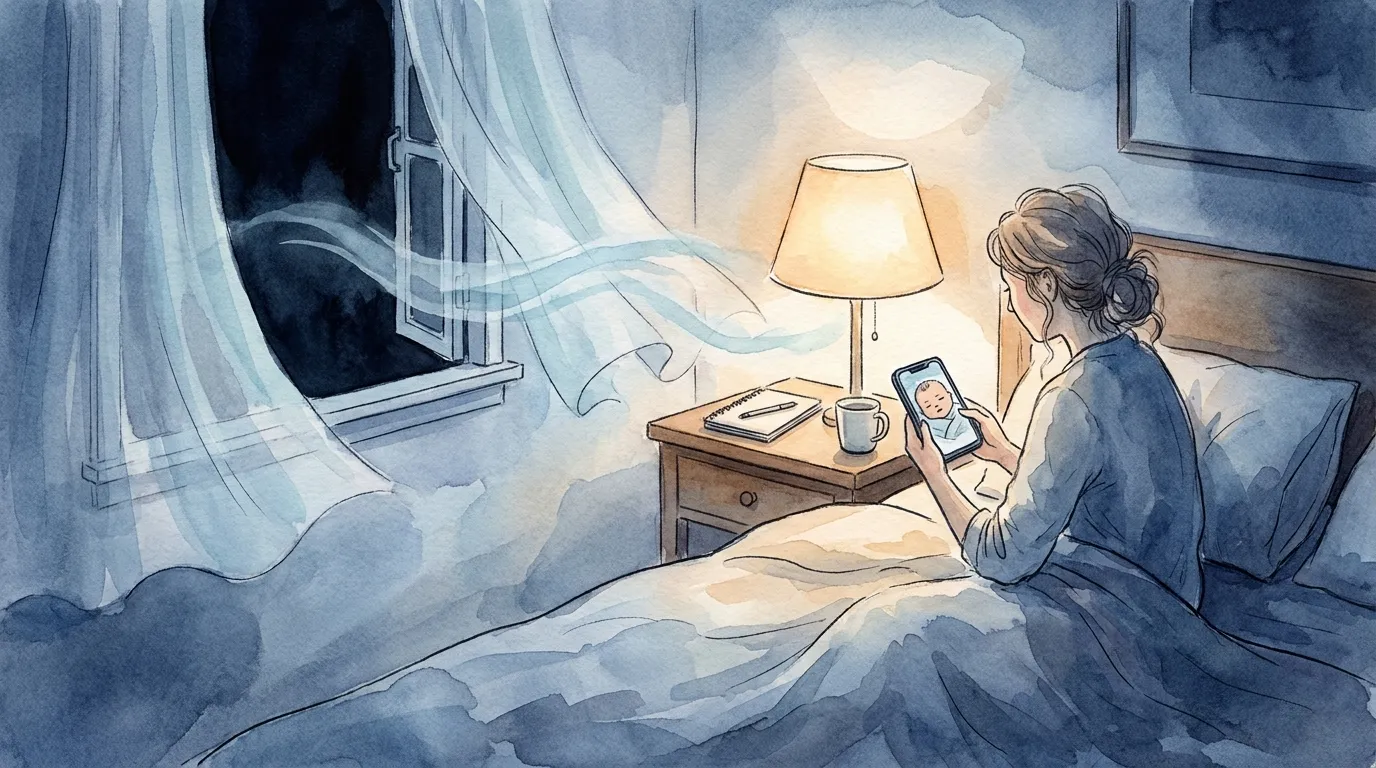
To test whether the sleep library earns its place, try this for seven nights:
- Choose one Sleep Story or meditation before getting into bed.
- Lower the screen brightness and avoid browsing after playback begins.
- Use the same approximate bedtime.
- Note whether you fall asleep more easily or simply enjoy the ritual more.
- Cancel before renewal if you do not miss it by the end of the trial.
If spoken content keeps you alert, Calm’s music and soundscapes may be a better fit. For more options, compare these calming games and low-pressure rituals rather than forcing meditation to work for you.
Calm vs Headspace: Which Is Better?
Calm and Headspace overlap, but they have different personalities.
| Dimension | Calm | Headspace |
|---|---|---|
| Core feeling | Spacious relaxation library | Structured meditation learning |
| Strongest lane | Sleep Stories, music, soundscapes | Courses, progression, technique |
| Best for beginners who… | Want variety and bedtime support | Want someone to teach meditation step by step |
| Potential friction | Too many choices | More lesson-like or repetitive |
Choose Calm if your main goals are better sleep, calming audio, and freedom to browse. Choose Headspace if you want a guided path and prefer understanding meditation as a skill.
Neither is universally better. The best mindfulness app is the one you use without resentment. A free trial should answer more than a feature comparison: Do you like the voice? Do the session lengths fit your day? Does opening the app feel soothing or like another obligation?
What the Calm App Does Not Solve
A mindfulness app can support a routine, but it cannot remove the causes of stress. It will not fix unsafe work conditions, relational conflict, financial strain, trauma, or a medical sleep disorder.
It also cannot guarantee that more content equals more wellbeing. Sometimes collecting wellness apps becomes a polished version of avoidance. If you spend more time choosing a meditation than practicing one, simplify.
Try one of these lower-cost approaches first:
- A five-minute breathing timer
- A familiar piece of quiet music
- A short walk without notifications
- A paper journal beside the bed
- One repeatable daily self-care ritual
- Free guided audio from a trusted health organization
The goal is not to win at mindfulness. It is to create enough space to notice what you need next.
A Different Alternative: AIdorable’s Nurturing Ritual
Calm primarily asks you to consume supportive content. AIdorable takes a different route: you care for a tiny AI baby who remembers your presence and grows through repeated interaction.
That can suit someone who does not connect with traditional meditation but still wants a gentle reason to pause. Instead of opening a library and deciding what to play, you complete a small nurturing action. The emotional reward comes from relationship and continuity.

This is not a substitute for meditation or therapy. It is a different habit shape:
- Calm says, “Take a moment for yourself.”
- AIdorable says, “Someone small is glad you came back.”
If companionship makes a habit easier to keep, explore why nurturing games for adults can feel emotionally restorative or see how an AI companion can support loneliness without replacing human connection.
How to Decide During the Free Trial
Do not judge Calm by how impressive its catalog looks. Judge it by behavior.
During the trial, pick only three things:
- One short morning or daytime meditation
- One breathing exercise for stressful moments
- One Sleep Story, music track, or soundscape at night
At the end, ask:
- Did I use the app without forcing myself?
- Which feature did I return to?
- Did it replace late-night scrolling or another unhelpful habit?
- Would I notice if access disappeared tomorrow?
- Is the annual cost comfortable for my budget?
If your honest answer is “I liked having it, but I forgot it existed,” cancel. If Calm became the easiest part of winding down, the subscription has made a credible case.
Final Verdict: Is Calm App Worth It?
Yes—for consistent users who value sleep content, guided meditation, and polished relaxation audio. Calm Premium is especially persuasive when Sleep Stories or soundscapes become a dependable bedtime cue.
No—not automatically. Occasional meditators, people satisfied with free resources, and anyone seeking a more interactive emotional ritual may not get enough value from the subscription.
Use the free trial as an experiment, verify the current price on your platform, and keep only the tools that become part of your real life. Calm is worth it when it turns intention into a practice. If it remains an attractive icon you rarely open, your calm can come from somewhere simpler.