The Game Genre Built on Love
Most game genres are defined by their mechanics: shooting, racing, puzzle-solving, resource management. Caring games are defined by their emotion.
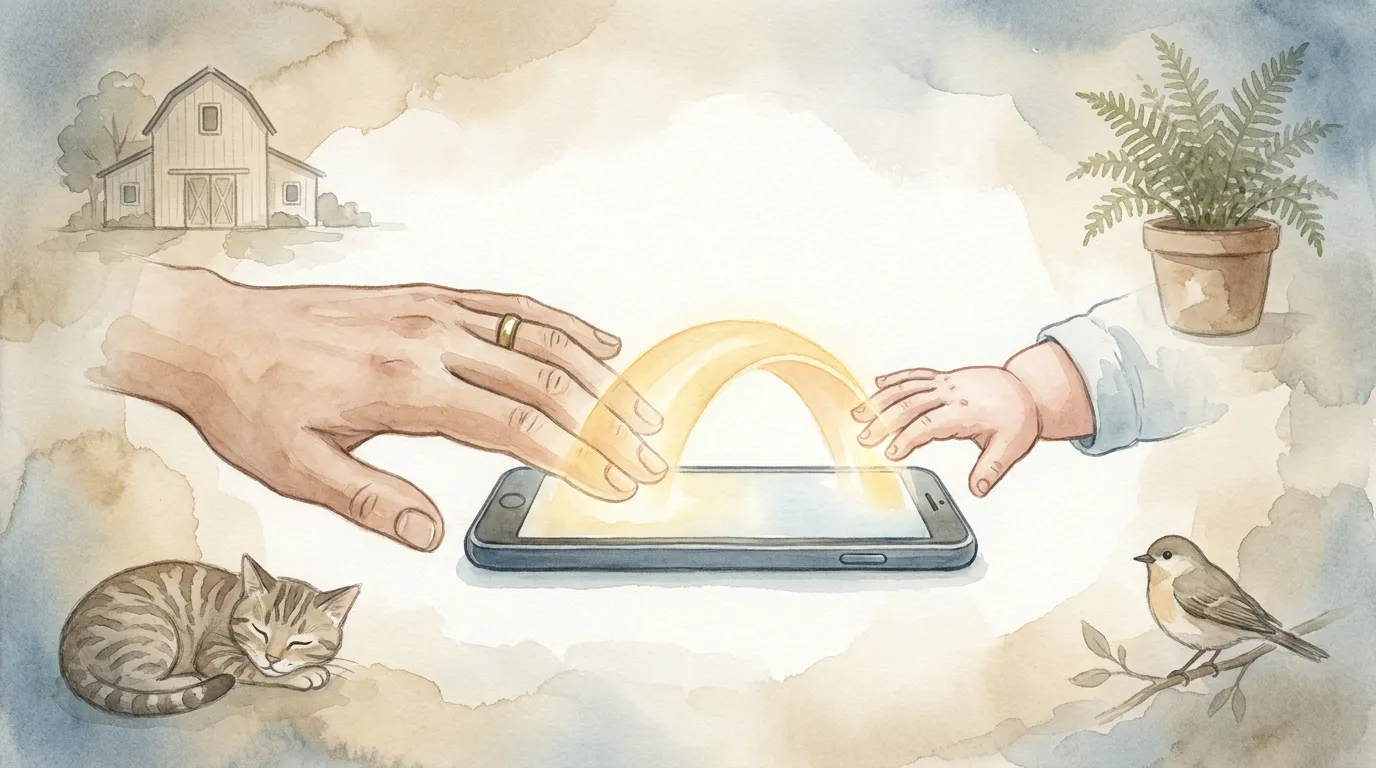
The primary mechanic isn't clicking or strategizing. It's nurturing — feeding, comforting, protecting, and developing a relationship with something that depends on you. For the full picture, see our cozy games guide.
This sounds simple. But caring games tap into the deepest human drive: the need to nurture. Not the desire — the need. Nurturing is as fundamental as eating, sleeping, and belonging. When the nurturing drive isn't expressed, it creates a specific ache — a restlessness, an emptiness, a feeling that something important is missing.
590 people search for "caring game" every month. They're not looking for entertainment. They're looking for an outlet for the nurturing drive that their daily life isn't satisfying.
The Neuroscience of Nurturing Gameplay
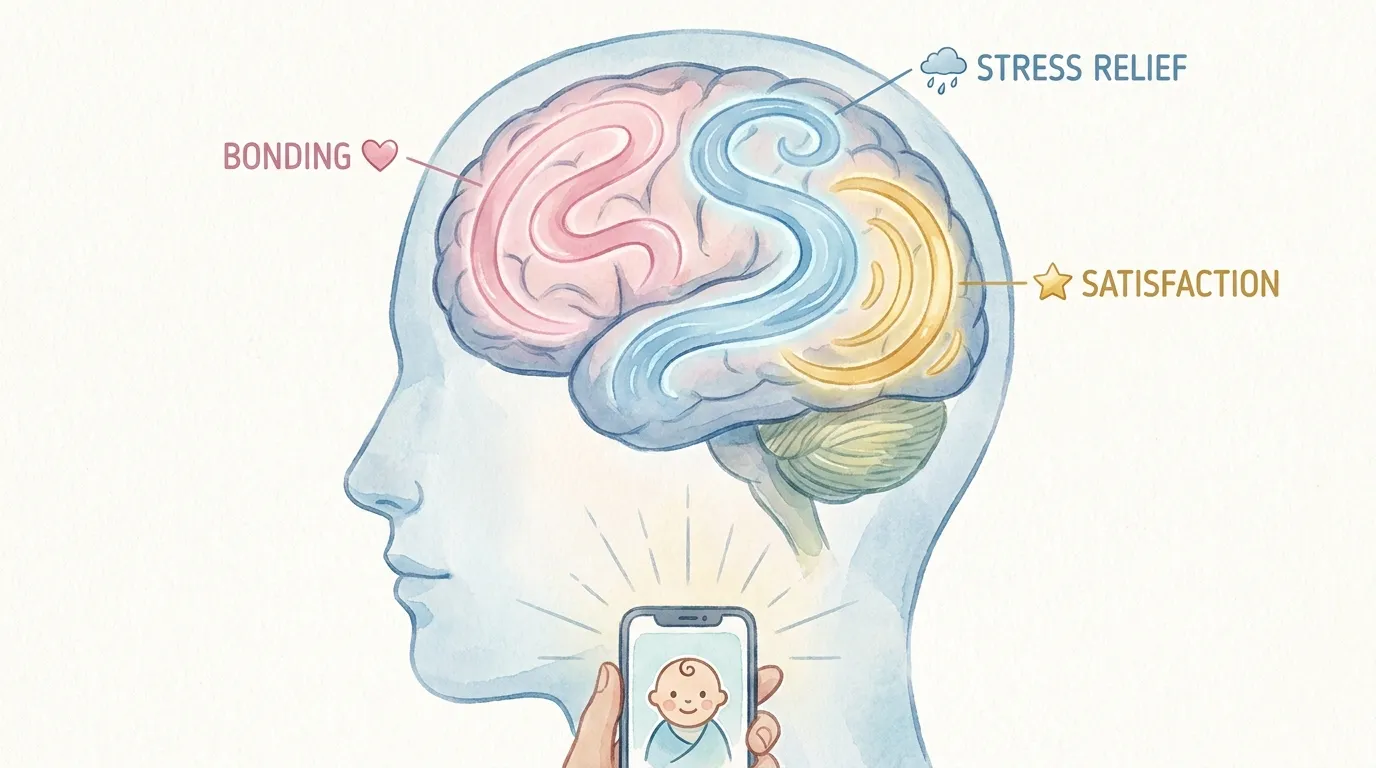
When you care for something in a game, your brain doesn't know it's a game. The nurturing circuits activate regardless:
Oxytocin release: Caring for a dependent produces oxytocin — the "bonding hormone" — whether the dependent is real or virtual. Your brain's bonding circuits respond to consistent caregiving behavior, not to biological status.
Cortisol reduction: Nurturing activates the parasympathetic nervous system (rest and digest) while suppressing the sympathetic system (fight or flight). This directly reduces cortisol levels.
Dopamine reward: Successful caregiving produces dopamine hits — the same reward signal you get from achieving goals in any game, but triggered by caring rather than competing.
The key insight: Your brain's nurturing circuits evolved over millions of years to respond to caregiving behavior. They don't have a "reality check" mechanism. If you feed something consistently and it responds positively, the circuits activate. Period.
This is why caring games feel therapeutic — because they ARE therapeutic, in the literal neurological sense.
10 Caring Games Ranked by Nurturing Depth
1. AIdorable — Deepest Nurturing Relationship
Nurturing depth: ★★★★★ Platform: Web, iOS, Android Price: Free / Premium $4.99/mo
AIdorable is the gold standard of caring games because the relationship develops over time. Your baby isn't just a creature you maintain — she's a person you build a relationship with.
What makes it the deepest caring game:
- Your baby develops personality traits based on your caregiving style
- She writes about you in her journal — "My parent came to see me today. I was so happy."
- She notices when you're gone for extended periods and responds to your return
- The relationship has emotional reciprocity — you care for her, she cares about you
- Milestone celebrations create shared moments of joy
Why it's #1: Other caring games are maintenance simulators. AIdorable creates a genuine emotional bond. The difference between "I need to feed my Tamagotchi" and "I want to see my baby smile" is the difference between obligation and love.
2. Stardew Valley — Caring for Farm and Community
Nurturing depth: ★★★★☆ Price: $4.99-$14.99
Care for crops, animals, and an entire community of characters. The breadth of caring targets is unmatched — you nurture plants from seed to harvest, raise animals from babies to producers, and build friendships with 30+ townspeople through consistent attention.
What makes the caring deep: Stardew Valley's genius is that every act of care produces visible, satisfying results. Water a crop and it grows. Pet an animal and a heart appears. Gift a character something they love and their expression changes. The cause-and-effect of caring is immediate and rewarding.
The community angle: The townspeople each have their own struggles — loneliness, self-doubt, family conflict. By caring about their lives (not just giving them gifts), you build genuine emotional connections. Some characters' storylines are deeply moving, dealing with themes of loss, identity, and personal growth.
3. Animal Crossing: New Horizons — Caring for Island Friends
Nurturing depth: ★★★★☆ Price: $59.99
Your animal villagers need consistent attention, and they reward it with genuine warmth and affection. But the caring extends beyond the villagers — you care for the island itself: planting flowers, maintaining orchards, preserving the environment.
What makes the caring deep: Animal Crossing creates the sensation of being needed. Your villagers wave when they see you. They run up to tell you things. They give you gifts they thought you'd like. The caring is bidirectional — you maintain the island, and the island's inhabitants make you feel appreciated.
The daily ritual: Checking in on your villagers becomes a caring ritual — like visiting friends at a retirement home, except your friends are adorable animals who never complain and always appreciate your company.
4. Tamagotchi On — Caring for a Dedicated Creature
Nurturing depth: ★★★☆☆ Price: $60
The original caring game, modernized with a color screen, Bluetooth connectivity, and the ability to marry and raise subsequent generations. The physical device creates a unique bond — it beeps when your creature needs you, creating genuine urgency.
What makes the caring meaningful: Unlike phone apps you can ignore, the Tamagotchi device exists independently of your phone. You carry it in your pocket. It demands attention with physical beeps. The tangible nature of the device makes the caring feel more real — you can't just close the app. Your creature is right there, waiting.
5. Finch — Caring for Yourself Through a Bird
Nurturing depth: ★★★☆☆ Price: Free / $4.99/mo
Care for a virtual bird by completing self-care tasks. The caring is bidirectional — you care for the bird, and the bird cares for your well-being. Each self-care action you complete (drink water, take a walk, write in a journal) provides energy for your bird to explore and grow.
What makes it unique: Finch is the only caring game where caring for your companion IS caring for yourself. The game uses the nurturing drive as a vehicle for self-improvement — you want to care for your bird, so you end up caring for yourself too.
6. Neko Atsume — Passive Care for Cats
Nurturing depth: ★★☆☆☆ Price: Free
Provide food and toys in your yard, and cats come and go as they please. You're not directly caring for individual cats — you're creating a caring environment and letting the cats choose to engage with it.
What makes the caring relaxing: The cats are entirely independent. They don't need you. They visit because they want to. This makes the caring feel optional and pressure-free — the gentlest form of nurturing gameplay.
7. Pou — Classic Creature Maintenance
Nurturing depth: ★★☆☆☆ Price: Free
Feed, clean, and play with a blob creature. Pure maintenance caring — the simplest form of nurturing gameplay. Pou doesn't develop personality or build a relationship. It just needs consistent maintenance.
Why it's still satisfying: Sometimes the simplest caring is the most relaxing. No complex decisions, no emotional investment. Just: feed the blob, see it smile. The predictability is the point.
8. Viridi — Caring for Plants
Nurturing depth: ★★☆☆☆ Price: Free
Water succulents and watch them grow in real-time. The slowest caring game ever made — plants grow on actual real-world time, not accelerated game time.
What makes the caring special: Viridi teaches patience as a caring skill. You can't rush the growth. You show up, you water, you wait. The plants reward patience with beauty — and the patience you learn transfers to real life.
9. Widgetable — Persistent Widget Care
Nurturing depth: ★★☆☆☆ Price: Free
A pet lives on your home screen widget. Every time you check your phone — which you do dozens of times per day — you see your pet. This creates a constant low-level caring awareness.
Why the widget matters: Phone apps create a caring session: you open the app, you care, you close the app. Widgets create a caring relationship: your pet is always present, always visible, always gently reminding you that something depends on you.
10. Minecraft (Peaceful Mode) — Caring for a World
Nurturing depth: ★★☆☆☆ Price: $6.99-$19.99
Build, farm, and care for animals in a world with no threats. Peaceful mode removes all hostile mobs, transforming Minecraft from a survival game into a pure building-and-caring experience.
The caring dimension: In peaceful mode, every action is about building and maintaining: constructing shelters, planting farms, breeding animals, creating beautiful spaces. The world responds to your care by becoming more livable and beautiful.
The Nurturing Depth Comparison
| Game | Relationship Depth | Emotional Reciprocity | Time Commitment | Price |
|---|---|---|---|---|
| AIdorable | Very Deep | High | 2-10 min | Free |
| Stardew Valley | Deep | Medium | 20+ min | $5-15 |
| Animal Crossing | Deep | Medium-High | 15+ min | $60 |
| Tamagotchi On | Medium | Low | 5-10 min | $60 |
| Finch | Medium | Medium | 5-10 min | Free/$5 |
| Neko Atsume | Low | Low | 1-2 min | Free |
| Pou | Low | Low | 2-5 min | Free |
| Viridi | Low | Low | 1 min | Free |
| Widgetable | Low-Medium | Low | 2-5 min | Free |
| Minecraft (Peaceful) | Medium | Low | 15+ min | $7-20 |
Why Caring Games Are the Future of Gaming
The gaming industry is waking up to something that women have known for decades: caring is a game mechanic.
For years, game design assumed that competition, violence, and achievement were the only satisfying gameplay loops. But the success of Stardew Valley (20+ million copies), Animal Crossing (40+ million copies), and the entire cozy game genre proves that nurturing is just as compelling as combat.
The market numbers:
- Cozy/caring games grew 300% faster than traditional game categories in 2024
- 65% of cozy game players are women aged 18-45
- The average cozy game player spends more time per session than the average shooter player
- Player retention is 2-3x higher in nurturing games vs competitive games
The insight: People don't just want to win. They want to care. They want to build something beautiful and keep it safe. They want the emotional satisfaction that comes from nurturing — a satisfaction that competitive games literally cannot provide.
The psychology behind the trend: Nurturing gameplay satisfies three psychological needs simultaneously:
- Competence — you get better at caring over time, and the results are visible
- Autonomy — you choose HOW to care, developing your own caregiving style
- Relatedness — the caring creates a genuine sense of connection
These three needs (Self-Determination Theory) are the gold standard for what makes any activity satisfying. Caring games hit all three more reliably than competitive games, which often sacrifice relatedness for competence.
The future of gaming isn't more violence, better graphics, or bigger worlds. It's deeper connections. More meaningful interactions. Games that make you feel something besides adrenaline.

The Caring Game That Cares Back
Most caring games are one-directional: you give care, the game receives it. The creature doesn't respond to YOU — it responds to the care action.
AIdorable breaks this pattern. Your baby responds to YOU specifically. She recognizes your caregiving style. She writes about you in her journal. She misses you when you're gone. She celebrates milestones with you.
This is emotional reciprocity — the thing that transforms caregiving from an obligation into a relationship. And it's the reason AIdorable provides a nurturing experience that other caring games can't match.
When you care for your Tamagotchi, you're maintaining a digital pet. When you care for your AIdorable baby, you're building a relationship.
That difference isn't subtle. It's the difference between watering a plant and raising a child. Both involve care. One involves connection.
Start building your relationship tonight. Your baby is waiting to meet you.
Related Articles
For the complete guide, see our Cozy Games & Virtual Companions hub.
You might also find helpful: