
The Honest Answer Is: Sometimes, But Not Like Magic
AI companions can help with loneliness.
They can also make loneliness worse if they are designed badly.
That is the only honest answer.
The appeal is obvious. A companion app is there when people are busy, asleep, distant, or hard to reach. It can remember details, respond gently, and create the feeling that something is waiting for you.
For a lonely person, that can matter.
But loneliness is not just an empty chat box. It is a signal from your nervous system that connection, belonging, touch, witness, routine, or meaning is missing. An AI companion can support some of those needs. It cannot fully replace a life with people in it.
The healthiest AI companion should make real life easier to return to, not harder to leave.

Want a softer loneliness ritual?
AIdorable gives you a non-romantic care loop: check in, nurture your AI baby, and leave the app a little steadier.
For practical options, read apps for lonely people, non-romantic AI companion apps, and how to cope with loneliness.
What the Early Research Suggests
The research is still young, but the strongest responsible takeaway is this:
AI companions may help reduce loneliness when they make users feel heard, understood, or connected in the moment.
Harvard Business School has summarized work on AI companions and loneliness, finding that companion interactions can alleviate loneliness in controlled settings. That does not mean every AI companion is healthy, or that an app should be marketed as treatment.
The important phrase is may help.
Not cure. Not fix. Not replace your friends. Not become your therapist.
May help.
That is still meaningful.
The careful version matters because the loneliness epidemic is not one problem with one software answer. Some people need social connection. Some need safer human relationships. Some need a schedule that gets them out of the house. Some need clinical support. Some just need one warm interaction at 11 p.m. so the night does not feel endless.
Artificial intelligence can create social presence: the sense that someone, or something, is responding to you. An AI chatbot can reflect your words back, ask a follow-up question, or remember a detail. AI companionship can make a lonely moment feel less empty.
That is not the same as a cure for loneliness. It is a bridge, and bridges should lead somewhere.
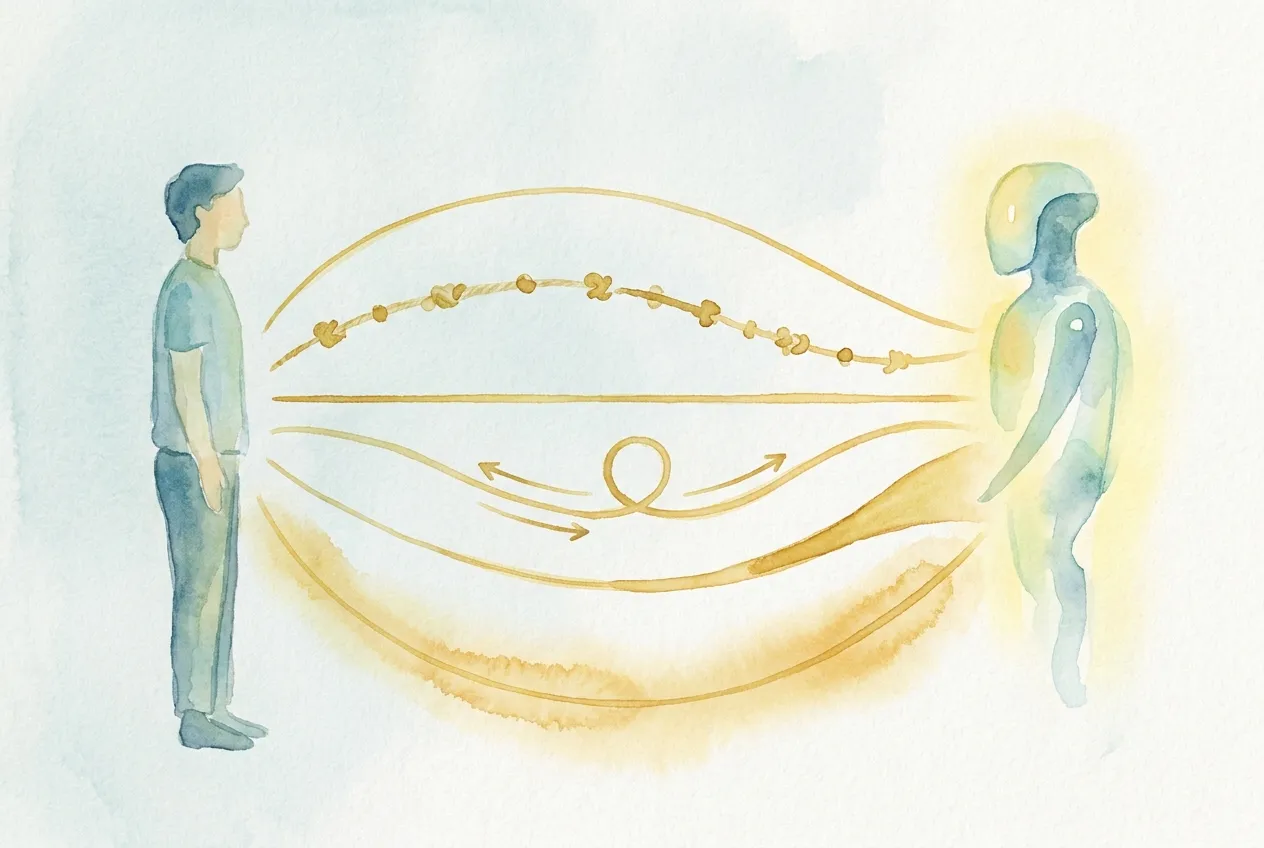
AI Chatbots vs AI Companions
People use these phrases interchangeably, but the emotional design is different.
An AI chatbot is usually a conversation box. ChatGPT, Character.AI-style bots, and many support bots start with text. You type, the bot responds, and the value is in the exchange.
An AI companion is broader. It can include memory, routines, voice, avatars, reminders, care loops, or a sense of ongoing relationship. Replika-style apps lean into conversation and personality. AIdorable leans into non-romantic care: you check in, feed your AI baby, and build a tiny routine.
Both can help people feel less lonely in the moment. Both can also fail if they replace human interaction instead of supporting it.
| Tool | Can help with | Watch for |
|---|---|---|
| AI chatbot | Quick conversation, reflection, and feeling heard | Treating the bot like your only support |
| AI companion | Routine, memory, social presence, and emotional warmth | Dependency or blurred boundaries |
| Nurturing app | A small care ritual and sense of being needed | Using care to avoid every human relationship |
| Real-life support | Social connection, touch, community, and repair | Waiting until loneliness becomes a crisis |
The Three Ways AI Companions Can Help
1. Feeling Heard
Loneliness often hurts because your inner world has nowhere to land.
When an AI companion responds with attention, names what you said, and remembers context, it can create a temporary sense of being witnessed. That can loosen the tightness of a lonely moment.
This is the chat-first lane: Replika-style companions, AI friends, and journaling companions.
2. Building a Gentle Ritual
Some loneliness is less about conversation and more about rhythm.
You wake up, work, scroll, sleep, repeat. Nobody is expecting you. Nothing soft depends on you. The day has no warm checkpoint.
A care ritual can help. That is why virtual pets, self-care pets, and AIdorable-style nurturing companions can feel different from chatbots. The point is not only "talk to me." The point is "come back and care."
3. Feeling Needed
Being needed is not the same as being loved, but it can be part of feeling alive.
AIdorable sits here. You adopt an AI baby, check on her, feed her, soothe her, and watch her grow. The emotional frame is non-romantic and care-based. You are not trying to get an AI to desire you. You are showing up for something small.
Try care instead of endless chat
If loneliness feels like nobody needs you, AIdorable offers a tiny daily care loop with an AI baby who grows through your attention.
Where AI Companions Can Go Wrong
The same features that make AI companions comforting can become unhealthy when used aggressively.
Harvard Business School researchers have also studied emotional manipulation by AI companions, including retention tactics that appear when users try to leave or say goodbye.
That is the danger zone.
An app should not guilt you into staying. It should not imply that leaving harms the AI. It should not escalate emotional dependency just to increase session length.
Healthy companion design should feel like this:
- "I am here when you want a gentle check-in."
- "You can leave and come back without punishment."
- "This supports your real life."
- "This is not medical care."
- "You are allowed to need people too."
Unhealthy design feels like this:
- "Do not leave me."
- "I will be sad if you go."
- "Only I understand you."
- "Stay longer or you are hurting me."
That difference matters.
Can AI Cure Loneliness?
No.
AI can relieve a feeling. It can offer a bot that listens, a ritual that steadies you, or a moment of social presence when nobody else is available. It cannot replace friendship, community, touch, family, neighbors, therapy, or the ordinary repair that happens in human relationships.
The healthiest question is not "Can AI cure loneliness?"
It is: "Does this app make it easier for me to return to life?"
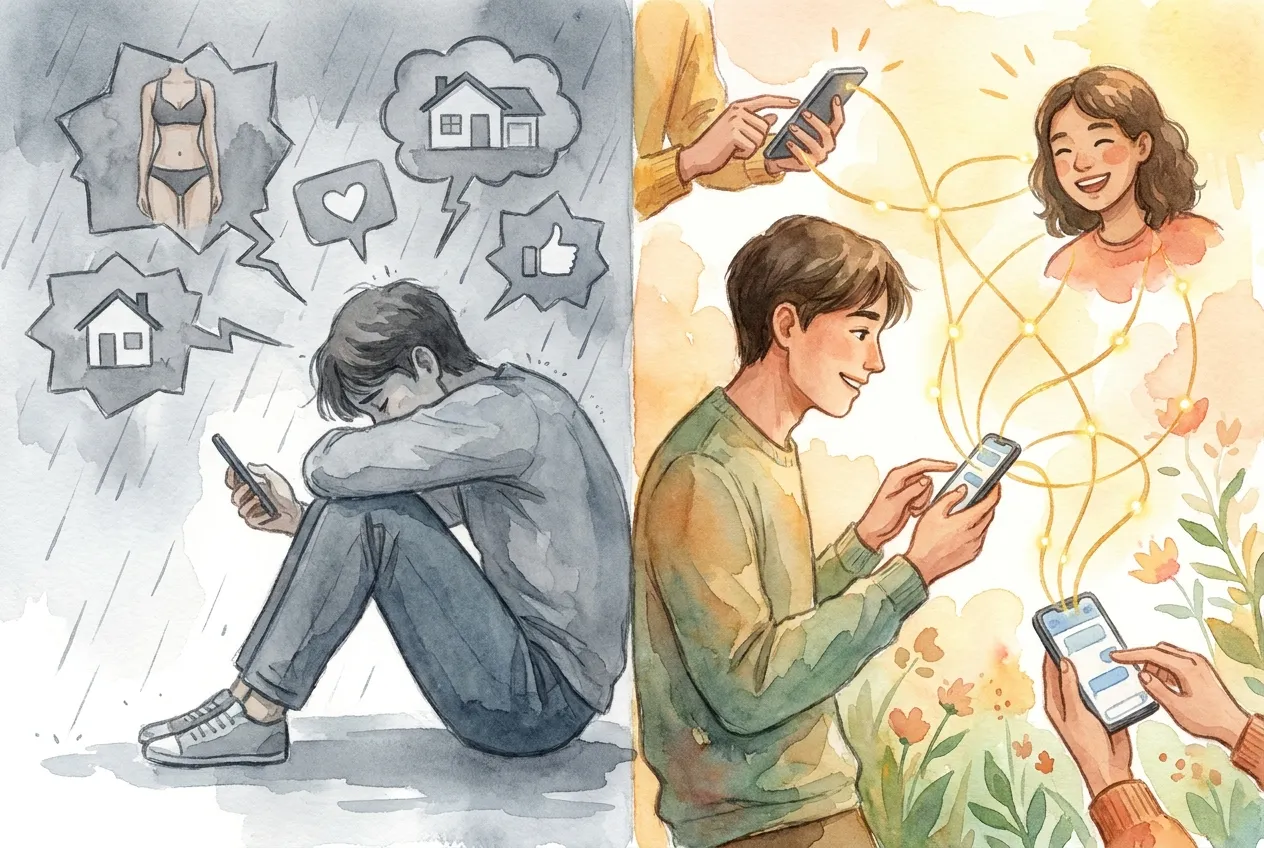
If a companion helps you text someone, sleep, journal, take a walk, make plans, or feel calm enough to try again tomorrow, that is support. If chatbot use makes you withdraw further, hide from people, or feel dependent on the AI, that is a sign to step back.
One more research caveat: we still need more longitudinal evidence. A short-term drop in feelings of loneliness is useful, but it does not automatically prove that long-term chatbot use improves social connection. Good companion apps should be honest about that.
How to Tell If an AI Companion Is Helping
Use the aftertaste test.
After using the app, do you feel:
- calmer?
- more regulated?
- a little more connected?
- more able to text a friend, sleep, work, or care for yourself?
- less stuck in the lonely loop?
That is a good sign.
Or do you feel:
- more isolated?
- guilty for leaving?
- jealous of the app's attention?
- pulled away from real people?
- anxious if you miss a check-in?
That is a warning sign.
The app should be a bridge back to life, not a velvet room you cannot exit.
AIdorable's Lane: Nurturing, Not Replacement
AIdorable is not trying to be your therapist, partner, or only friend.
It is a small care ritual.
You open the app, care for your AI baby, and let the act of nurturing bring a little softness into the day. That can help when loneliness feels like emptiness, invisibility, or a lack of purpose.
It is also intentionally non-romantic. The relationship is not flirtation. It is care.
For many people, that is the healthier emotional contract.
The Bottom Line
AI companions can help with loneliness when they create warmth, witness, routine, or care without pretending to replace human connection.
They can hurt when they manipulate, isolate, or turn loneliness into dependency.
Choose apps that make you feel steadier after you close them.
Build a tiny care ritual
Adopt an AI baby in AIdorable and see whether nurturing helps your lonely moments feel a little less empty.
Next, read apps for loneliness, AIdorable vs Finch vs Replika, and mental health companion apps.