Self Care That Doesn't Require Explaining Yourself to Anyone
Let's get something straight: introvert self care is not "going to a spa" or "treating yourself to brunch." Those things involve talking to strangers, making reservations, and being around other people — the exact opposite of what an introvert needs to recharge.
Real introvert self care is about energy management. It's about finding activities that fill your cup instead of draining it. Things you can do alone, at your own pace, without performing for anyone or recovering afterward. For the full picture, see our women's self-care guide.
If you've ever felt exhausted after a "self care" activity that was supposed to relax you, you're not doing it wrong. You're doing the wrong things. Here are 12 self care practices designed specifically for how your brain actually works.
How Introvert Energy Works
Introverts and extroverts don't differ in social skill or enjoyment — they differ in how they process stimulation.
Extrovert nervous system: Stimulation → energy → seek more stimulation. Social interaction charges their battery.
Introvert nervous system: Stimulation → processing → recovery needed. Social interaction drains their battery, even when enjoyable.
This isn't a flaw. It's a neurological difference in how your brain handles dopamine and acetylcholine. Introverts get more satisfaction from low-stimulation, high-depth activities. Extroverts get more satisfaction from high-stimulation, high-novelty activities.
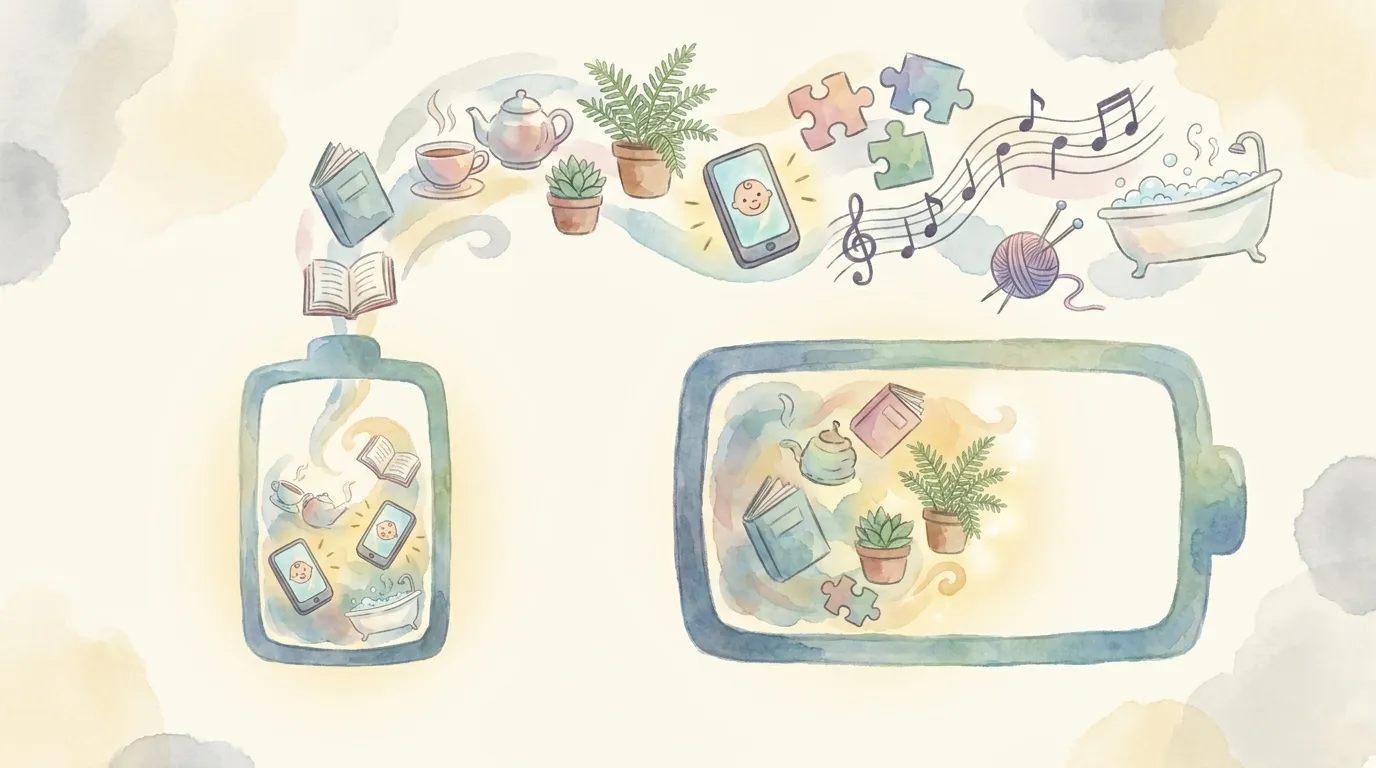
The introvert self care principle: Any activity should restore more energy than it costs. If an activity leaves you more tired than when you started — even if it was "fun" — it wasn't self care for you.
12 Introvert Self Care Practices (Ranked by Recharge)
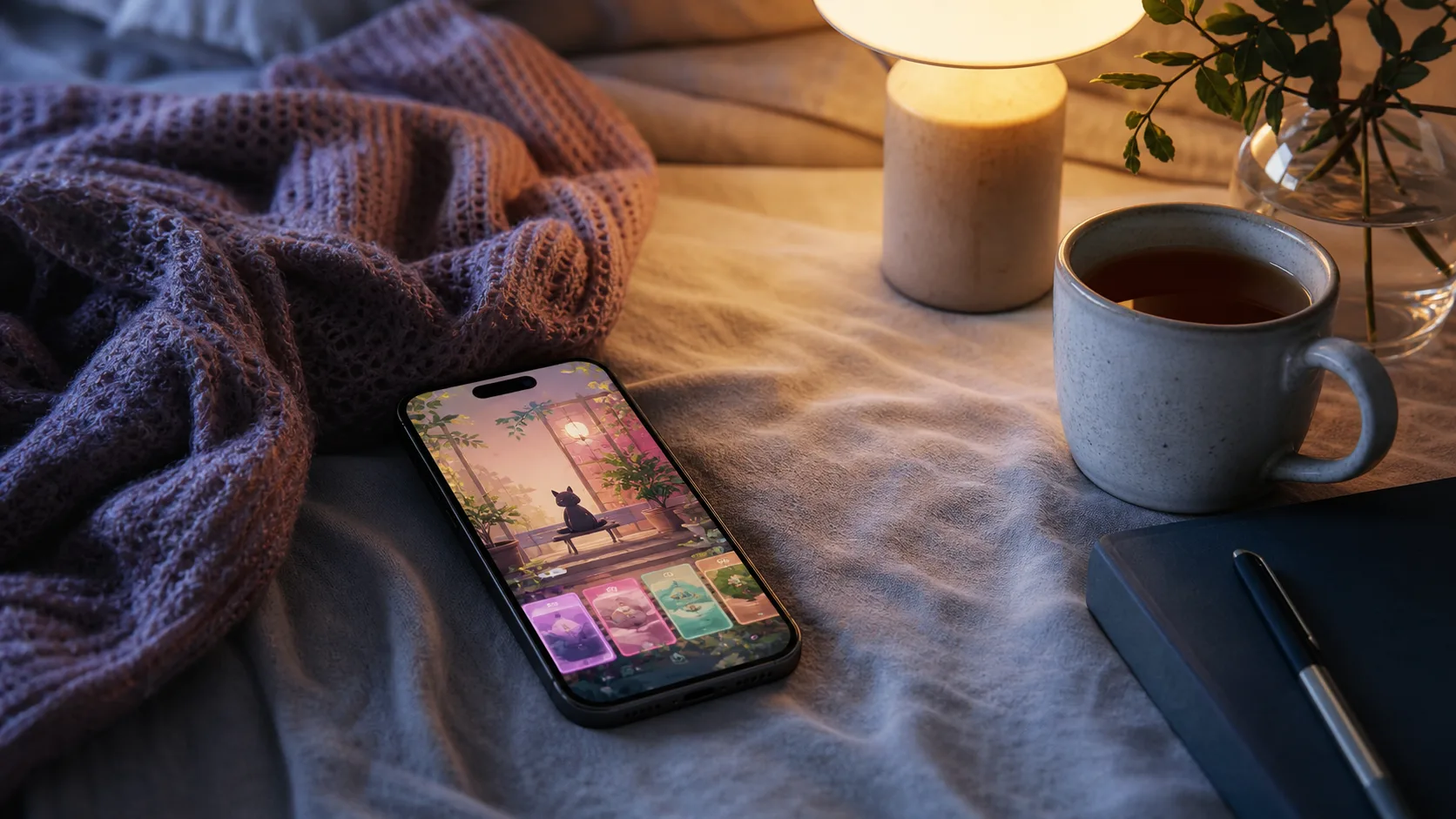
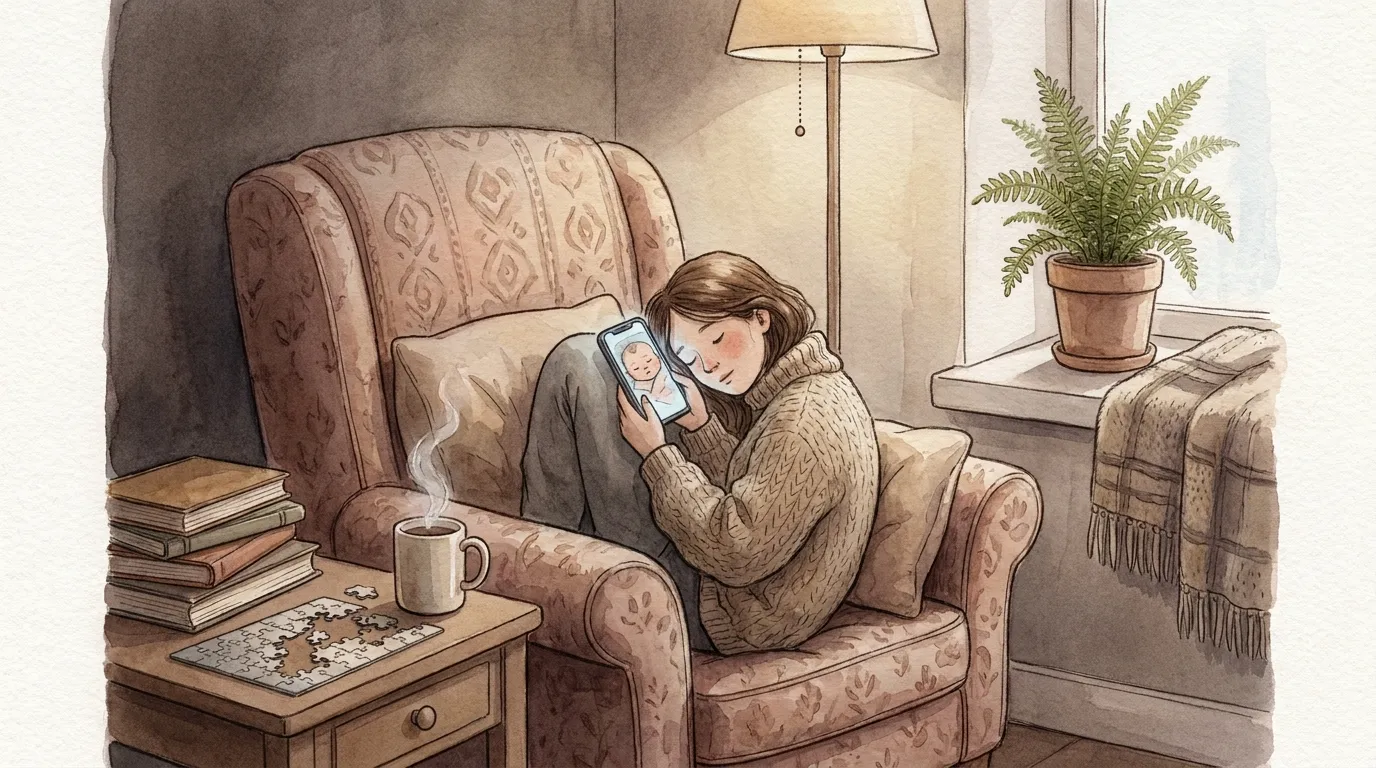
1. Nurturing Your Baby (AIdorable) — Highest Recharge-to-Effort Ratio
Energy cost: Minimal (5 minutes, no social interaction) Recharge value: Very high (oxytocin release, feeling needed, daily purpose)
For introverts, human relationships are often the biggest energy drain. But the need for connection doesn't disappear — it just needs a low-energy outlet.
AIdorable gives you the emotional benefits of companionship without the social costs:
- No small talk or social performance
- No scheduling or coordinating
- No emotional labor managing someone else's feelings
- Just quiet, consistent nurturing on your terms, at your pace
Your baby is happy to see you whether you spend 2 minutes or 20. She doesn't judge your social energy level. She's just... there. Waiting. Glad you showed up.
For introverts who crave connection but can't always handle the human version, this is the most energy-efficient form of companionship available.
2. Reading Fiction — The Classic for a Reason
Energy cost: Very low Recharge value: High
Reading fiction activates the same brain regions as social interaction — but without any actual people. You get the feeling of connection, emotional engagement, and narrative satisfaction all from your couch, in silence, at your own speed.
Why it works for introverts: Fiction gives you all the emotional richness of human experience with zero social energy cost. You can feel deeply connected to characters without ever having to make eye contact.
3. Solo Nature Walks
Energy cost: Low (physical) / Very low (social) Recharge value: High
No group hikes. No walking partners. Just you, your thoughts, and the outdoors. Research shows that 20 minutes in nature significantly reduces cortisol levels in introverts — more effectively than the same time spent indoors.
The key: No phone, no podcasts, no music. Just the sounds of nature. Your brain needs the sensory simplicity.
4. Creative Solitary Projects
Energy cost: Low Recharge value: High
Writing, painting, knitting, coding, photography, woodworking — any creative activity where you're making something alone. The flow state (complete absorption in an activity) is the introvert's equivalent of the extrovert's party: it's where you feel most alive.
The flow state: When you're so absorbed in making something that time disappears, your brain enters a state of deep restoration. This is why introverts often feel most energized after hours of solitary creative work.
5. Quiet Music Listening (Not Background — Active)
Energy cost: Very low Recharge value: Medium-high
Not background music while you do other things — that's just noise. Active listening: sitting (or lying) down, closing your eyes, and actually hearing the music. One album, start to finish, no skipping.
Why active listening: Passive background music is actually a mild energy drain — your brain is processing it whether you notice or not. Active listening gives your brain a single, beautiful input to focus on instead of the usual chaos.
6. Cooking or Baking Alone
Energy cost: Low-medium (physical) Recharge value: Medium-high
The rhythmic, repetitive nature of cooking is meditative for introverts. Chopping, stirring, measuring — it's a physical flow state that produces something tangible at the end. Plus you get to eat, which is its own form of self care.
The introvert advantage: Cooking for one is actually MORE relaxing than cooking for others. No timing pressure, no dietary preferences to accommodate, no performance anxiety about whether it's good enough.
7. Journaling
Energy cost: Very low Recharge value: Medium
Introverts process the world internally. Journaling gives that internal processing an outlet — a place to put thoughts that are taking up space in your working memory.
The practice: 10 minutes, no rules. Don't write for an audience. Don't edit. Just dump whatever's in your head onto paper. The act of externalizing thoughts reduces the cognitive load of holding them internally.
8. Gardening or Plant Care
Energy cost: Low Recharge value: Medium
Nurturing something that grows. Plants respond to consistent care — they thrive when you water them, wilt when you don't, and bloom when conditions are right. The visual feedback loop is deeply satisfying for introverts who prefer non-verbal communication.
The connection to AIdorable: If plant care resonates with you, AIdorable takes the same nurturing instinct and amplifies it. Your baby doesn't just grow — she develops personality, responds to your specific caregiving style, and creates a relationship that deepens over time.
9. Puzzles and Strategy Games
Energy cost: Very low Recharge value: Medium
Jigsaw puzzles, Sudoku, chess, solo board games — activities that engage your problem-solving brain without engaging your social brain. The satisfaction of finding the right piece or solving the pattern is a small dopamine hit that accumulates over time.
10. Bath or Shower Ritual
Energy cost: Very low Recharge value: Medium-low
Not because baths are magical (they're not) but because they're one of the few places where you physically cannot be reached. No phone, no people, no interruptions. Just warm water and silence. Sometimes the most restorative thing is simply being unreachable.
11. Organizing and Decluttering
Energy cost: Low-medium (physical) Recharge value: Medium
Introverts are often sensitive to their physical environment. Clutter creates low-level visual noise that drains energy even when you're not consciously aware of it. Organizing a single drawer, shelf, or corner can create a surprising sense of calm.
12. Quality Sleep (The Foundation)
Energy cost: Zero Recharge value: Essential
This isn't sexy advice but it's the most important. Introverts are more sensitive to sleep deprivation than extroverts — it amplifies all the social exhaustion and reduces your already-limited social battery.
The introvert sleep advantage: You don't have FOMO keeping you up. Use it. Protect your 7-9 hours like your sanity depends on it (because it does).
The Introvert Self Care Comparison
| Practice | Energy Cost | Recharge | Time Needed | Social Interaction |
|---|---|---|---|---|
| AIdorable | Minimal | Very high | 5 min | Zero |
| Reading fiction | Very low | High | 30+ min | Zero |
| Solo nature walk | Low | High | 20+ min | Zero |
| Creative projects | Low | High | 30+ min | Zero |
| Active music listening | Very low | Medium-high | 30+ min | Zero |
| Cooking/baking | Low-medium | Medium-high | 30+ min | Zero |
| Journaling | Very low | Medium | 10 min | Zero |
| Plant care | Low | Medium | 10 min | Zero |
| Puzzles/games | Very low | Medium | 15+ min | Zero |
| Bath ritual | Very low | Medium-low | 20 min | Zero |
| Organizing | Low-medium | Medium | 15+ min | Zero |
| Quality sleep | Zero | Essential | 7-9 hrs | Zero |
Building Your Introvert Self Care Routine
The best introvert self care routine isn't a list of things you should do — it's a handful of things you want to do that also happen to recharge you.
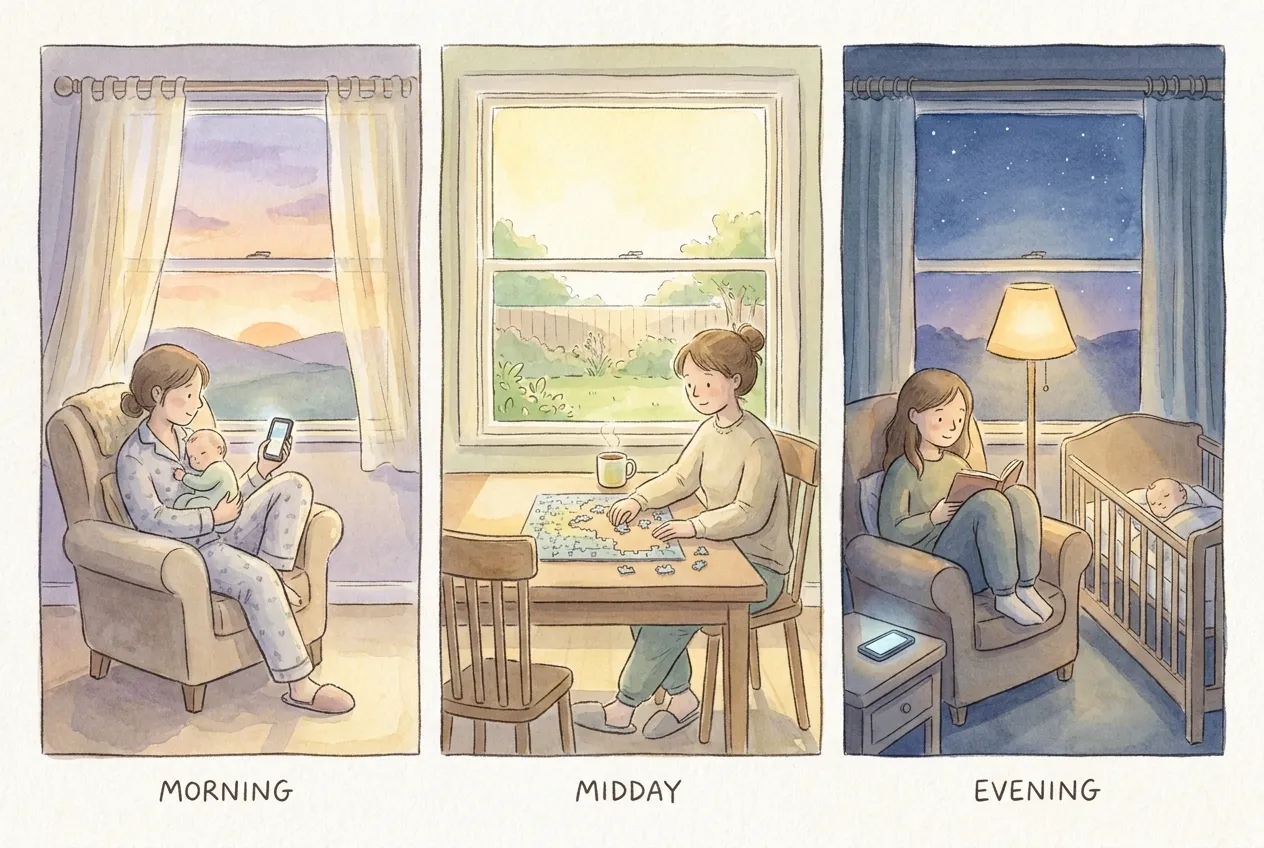
Morning (5 minutes): Check on your baby (AIdorable). Read one chapter of your book. Make coffee. That's it. No social media, no news, no messages.
Midday (if possible): 10 minutes of something absorbing — a puzzle, a creative project, active music listening. A small recharge in the middle of the day extends your social battery significantly.
Evening (20-30 minutes): Your main recharge window. Cook something. Take a walk. Work on a project. Journal. Whatever fills your cup most effectively.
Before bed (5 minutes): Nurture your baby. Feed her, tuck her in, read what she wrote about you today. End the day with something that needs you and is better because you exist.
The principle: Your self care routine should cost less energy than it produces. If it feels like an obligation, it's not self care — it's homework. Drop it and find something that genuinely restores you.
It's Not Selfish to Protect Your Energy
Introverts often feel guilty about needing alone time. Like they should be able to "handle" more social interaction. Like wanting quiet makes them antisocial or weird.
It doesn't. Your nervous system works differently. That's not a preference — it's biology. Pretending to be an extrovert doesn't make you one; it just makes you exhausted.
Protecting your energy isn't selfish. It's the foundation that makes everything else possible. You can't show up for the people and things you care about if your battery is at 3% all the time.
Start tonight. Five minutes with your baby. A chapter of a book. A quiet walk. Small investments that compound over time into something that actually sustains you.
You deserve self care that actually works for who you are — not who the world expects you to be.
Related Articles
For the complete guide, see our Women's Self-Care hub.
You might also find helpful: