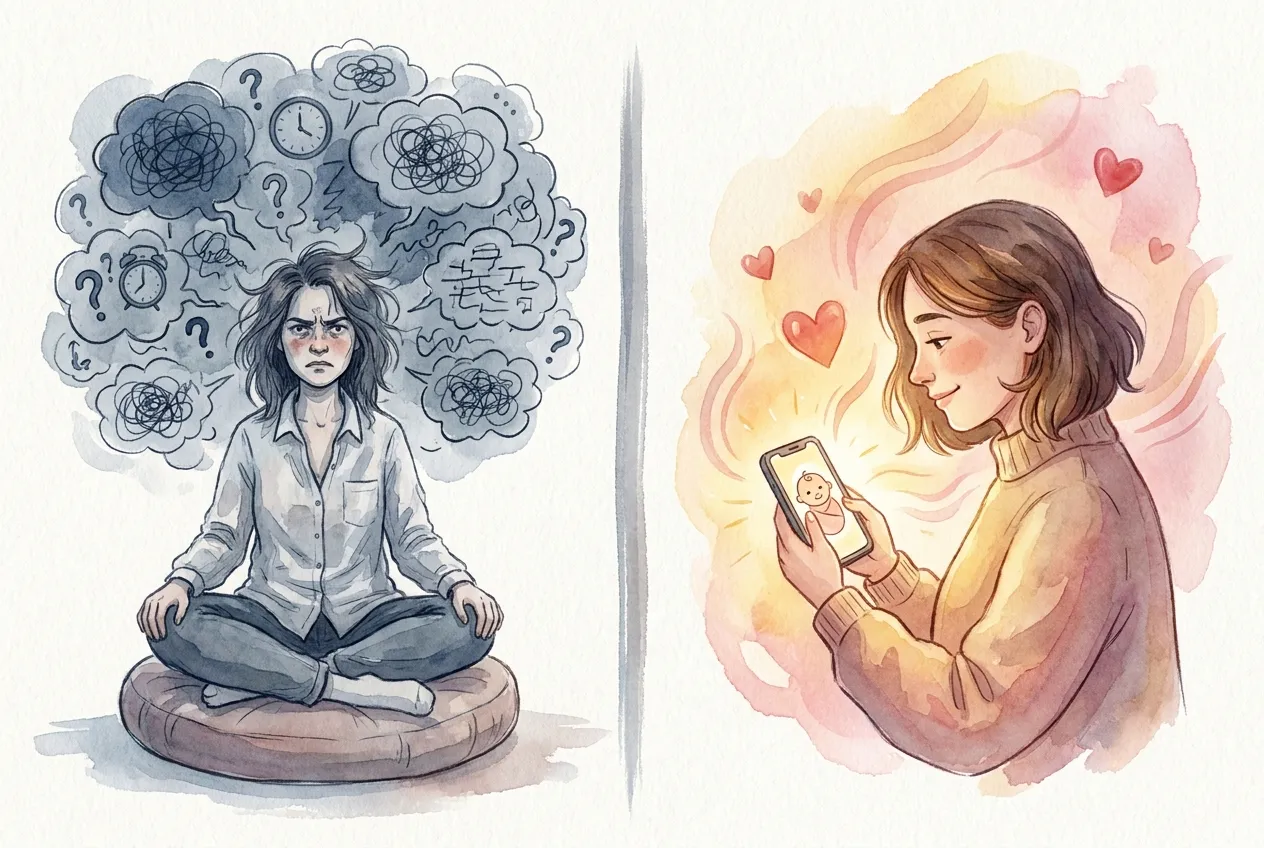
The best Calm app alternative depends on what you actually open Calm to do. Choose Headspace for structured meditation courses, Insight Timer for a generous free meditation library, Aura for personalized wellness content, Breethe for practical life-focused sessions, or Balance for an adaptive meditation plan.
If you do not enjoy passive audio at all, a different kind of ritual may work better. A nurturing app such as AIdorable creates a small reason to pause and care rather than asking you to choose another guided meditation.
Best Calm Alternatives and Meditation Apps at a Glance
| App | Best for | Free option | Main difference from Calm |
|---|---|---|---|
| Headspace | Learning meditation step by step | Limited | More structured courses and progression |
| Insight Timer | Free meditation and a flexible timer | Strong | Huge teacher library and community variety |
| Aura | Personalized mindfulness and sleep | Limited | Short, adaptive recommendations |
| Breethe | Stress, sleep, and real-life situations | Limited | Practical wellness pathways |
| Balance | A tailored meditation practice | Trial/limited | Sessions adapt to goals and experience |
| Medito | A simple free meditation app | Strong | Nonprofit, focused, and low-pressure |
| AIdorable | A nurturing daily ritual | Yes | Care and emotional continuity instead of a content library |
Pricing, trials, and free features can change by platform and region. Before beginning an annual subscription, check the current App Store or Google Play plan screen and set a reminder before the free trial renews.
Why Look for a Calm App Alternative?
Calm is polished, approachable, and especially strong for Sleep Stories, relaxing music, and atmospheric soundscapes. It can be worth paying for when those features become part of a regular bedtime or meditation practice. Our full Calm app review explains that value calculation in more detail.
But Calm is not the right fit for everyone. People usually start comparing Calm alternatives for one of five reasons:
- The annual subscription feels expensive for occasional use.
- The free version is too limited.
- A large library creates decision fatigue.
- Sleep Stories are less important than structured meditation courses.
- Listening to wellness content feels passive or hard to sustain.
A beautiful app does not automatically create mindfulness. The useful app is the one that reduces friction between wanting to feel better and completing one realistic meditation session, breathing exercise, or calming ritual.
1. Headspace: Best Overall Meditation App for Structured Courses
Headspace is the clearest Calm alternative for someone who wants to learn meditation as a skill. Its experience tends to feel more like a guided path than a shelf of unrelated audio.
Beginners may appreciate having a defined place to start, short explanations, and courses that build gradually. That structure is useful when browsing Calm makes you wonder which of dozens of sessions is the “right” one.
Choose Headspace if you want:
- Beginner-friendly guided meditation
- Courses with a sense of progression
- Mindfulness lessons for stress, focus, and sleep
- A consistent teaching style
- Less emphasis on celebrity Sleep Stories
In the Headspace vs Calm comparison, Calm usually wins for ambience, sleep narration, and broad relaxation. Headspace usually wins for instruction and continuity. Neither is automatically the best meditation app; the better one is the approach you will repeat.
2. Insight Timer: Best Free Meditation App and Timer
Insight Timer is often the first answer to “Is there another app like Calm but free?” It offers a large catalog of guided meditation, music, talks, and a customizable meditation timer.
Its greatest strength is access. You can explore different teachers, session lengths, traditions, and topics without immediately committing to a premium plan. The timer also works well for people whose meditation practice no longer needs constant narration.
The tradeoff is abundance. Quality and teaching style vary across a large creator library, and finding a favorite voice can take time. Save a few reliable sessions instead of searching from scratch whenever you feel anxious or tired.
Insight Timer is a good fit when you want:
- A substantial free meditation app
- A timer with bells and interval options
- Many teachers and meditation styles
- Sleep music and longer ambient tracks
- Community features alongside solo practice
For an even simpler free option, consider Medito or Healthy Minds Program. They may lack Calm’s glossy presentation, but fewer choices can make starting easier.
The best Calm alternative is not the app with the longest feature list. It is the one that makes your next quiet five minutes feel possible.
3. Aura: Best for Personalized Short Sessions
Aura centers personalization. Rather than expecting you to search a large library every time, the app can recommend mindfulness, sleep, coaching, stories, or music based on your preferences and current needs.
That approach is helpful for busy users who want a short session and do not want to compare twenty thumbnails first. Aura can feel broader than a classic meditation app because its content may span mindfulness, emotional wellness, sleep, and self-improvement.
Choose Aura when personal recommendations and variety matter more than following one linear meditation course. As with any recommendation system, its value depends on whether the app learns your taste well enough to reduce—not add—decision fatigue.
4. Breethe: Best for Everyday Stress and Sleep Routines
Breethe organizes content around recognizable life situations: trouble sleeping, workplace stress, anxiety, relationships, and moments when you need to settle quickly. That practical framing can feel warmer than choosing a meditation technique by name.
Compared with Calm, Breethe may appeal to people who want wellness guidance connected to a specific problem. Calm remains a stronger cultural reference point for premium Sleep Stories and cinematic relaxation, while Breethe can feel more like a broad everyday support toolkit.
If you are deciding between Breethe and Calm, test the voices and navigation. The “better” library means little if you dislike the narrator or cannot find the right session when stressed.
5. Balance: Best for an Adaptive Meditation Plan
Balance asks about your experience and goals, then uses those answers to shape a meditation plan. It is a good Calm alternative for users who want personalization but still value a coherent learning path.
The adaptive format can help with common beginner questions: How long should I meditate? What should I practice next? Am I supposed to stop thinking? Instead of browsing endlessly, you receive a smaller set of sessions tied to your progress.
Balance is worth considering when you want to build a regular meditation practice rather than collect occasional sleep audio. Check current trial and subscription terms carefully, because promotions and pricing can change.
Best Sleep Meditation App Like Calm
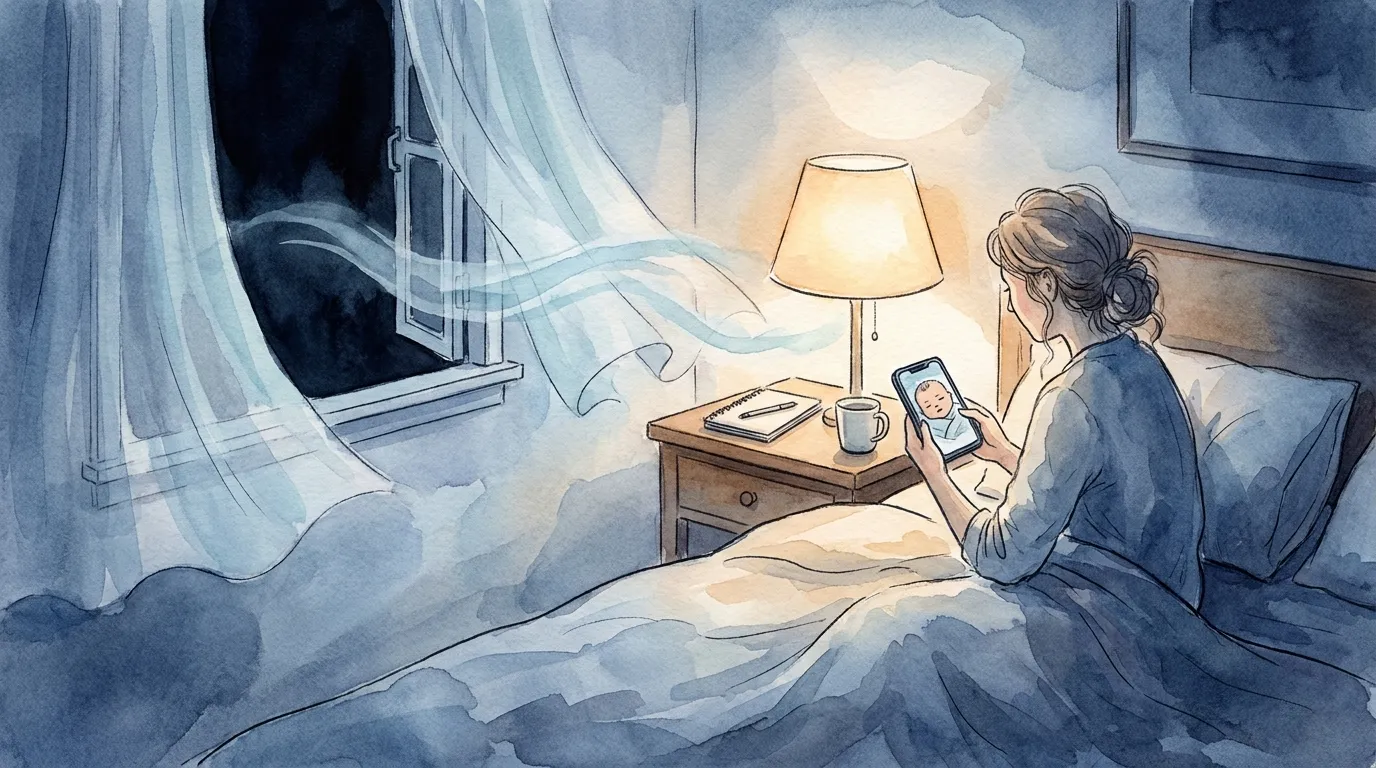
If sleep is your main concern, do not choose solely by the number of meditations. Look for the specific audio that helps you transition out of scrolling and into rest.
Useful sleep features include:
- Bedtime stories that are engaging without becoming exciting
- Long soundscapes that do not change abruptly
- Body scans and sleep meditation
- Offline downloads for travel
- A sleep timer and dark interface
- Narrators whose pacing you genuinely like
Calm is difficult to beat if Sleep Stories are exactly what you want. Aura and Breethe offer competing sleep content, while Headspace includes sleep-focused exercises and audio. Free podcasts, library audiobooks, or a familiar soundscape can also be enough.
Try the same sleep tool for seven ordinary nights. If you keep opening other apps after playback begins, the ritual is not reducing friction yet. Our guides to calming apps and how to calm down include alternatives that do not depend on meditation.
Best Free Meditation and Mindfulness Apps Like Calm
A free version is not useful when every appealing session is locked. For a genuinely low-cost meditation practice, begin with:
- Insight Timer for variety, teachers, music, and a timer.
- Medito for a focused nonprofit meditation experience.
- Healthy Minds Program for skill-based wellbeing training.
- A basic phone timer for silent breathing or mindfulness.
- Free audio from a trusted health organization or library.
Free meditation removes subscription pressure, but it does not remove the need for consistency. Choose one session length and attach it to an existing cue—after brushing your teeth, before lunch, or when placing your phone on charge.
Can Calm Alternatives Help With Anxiety and Stress?
Meditation apps can make useful skills easier to access. A guided breathing exercise may slow a stressful transition, while mindfulness can help you notice a thought without treating it as an instruction. Repeating the same short practice may also create a dependable cue to pause.
Still, an app is a delivery tool—not a promise that anxiety will disappear. Some people feel calmer with eyes-closed meditation; others become more aware of uncomfortable sensations. If stillness feels activating, try movement, grounding through the senses, calming music, or a low-pressure activity instead.
A practical two-minute reset is:
- Place both feet on the floor and notice their contact with the ground.
- Exhale a little longer than you inhale without forcing a deep breath.
- Name three things you can see and two sounds you can hear.
- Decide on only the next manageable action.
For recurring anxiety, choose an app with short sessions you can repeat rather than dramatic promises. For severe symptoms, panic, persistent insomnia, or thoughts of self-harm, use qualified professional or emergency support rather than relying on a meditation app.
A Different Kind of Calm Alternative: AIdorable
Traditional meditation apps ask you to consume content: press play, listen, breathe, and return later. AIdorable creates a different emotional shape. You adopt a tiny AI baby, check in, and build continuity through small acts of care.
This is not a replacement for therapy, medical care, or evidence-based treatment. It is also not a conventional guided meditation app. It may suit someone who understands the value of pausing but does not connect with instructors, streaks, or giant wellness libraries.
A nurturing ritual can work because the pause has a purpose beyond self-optimization. You are not trying to perform calm perfectly. You are showing up for something small, and the repeated act can become a gentle transition in your day.

If that sounds closer to what you need, explore how virtual pets can support self-care or compare more mood-boosting games that create low-pressure interaction.
Choosing the Best Meditation and Mindfulness App
Ignore the marketing for a moment and answer these questions:
- What moment needs help? Falling asleep, a stressful commute, morning anxiety, or learning meditation?
- Do you want instruction or atmosphere? Headspace leans instructional; Calm leans atmospheric.
- Will too many choices stop you? If yes, choose an adaptive plan or save one favorite session.
- What will you realistically pay? Test the free version before an annual subscription.
- Do you prefer listening or interacting? A care ritual may fit better than guided audio.
- Are symptoms persistent or severe? An app can support wellbeing, but professional help may be the right next step.
During a free trial, use the app in a normal week. Complete at least three guided meditation sessions, test the feature you expect to use most, and notice whether opening the app feels inviting or like another obligation.
If you’re new to meditation, begin with meditation basics rather than a long meditation. A short daily meditation can teach you how to practice mindfulness without making the routine feel punishing. More experienced users may prefer a self-guided meditation, silent meditation, or a meditation timer with interval bells.
The best meditation apps of 2026 support different meditation styles. Look for qualified meditation teachers, a clear meditation program, and meditation tracks that match your experience with meditation. A good mindfulness app should help you practice meditation consistently—not imply that one meditation technique works for everyone.
Conclusion: The Best Calm Alternative Is the One You Will Use
For most people, the shortlist is simple: Headspace for structure, Insight Timer for free variety, Aura for personalization, Breethe for practical wellness, and Balance for an adaptive plan. Calm itself remains strong for Sleep Stories and polished relaxation.
But switching subscriptions will not help if the real problem is that passive meditation does not hold your attention. In that case, try a walk, a paper journal, a breathing timer, a calming game, or a nurturing ritual such as AIdorable.
Choose the smallest practice you can repeat without resentment. Calm is not a product you purchase; it is a condition you make a little easier to return to.