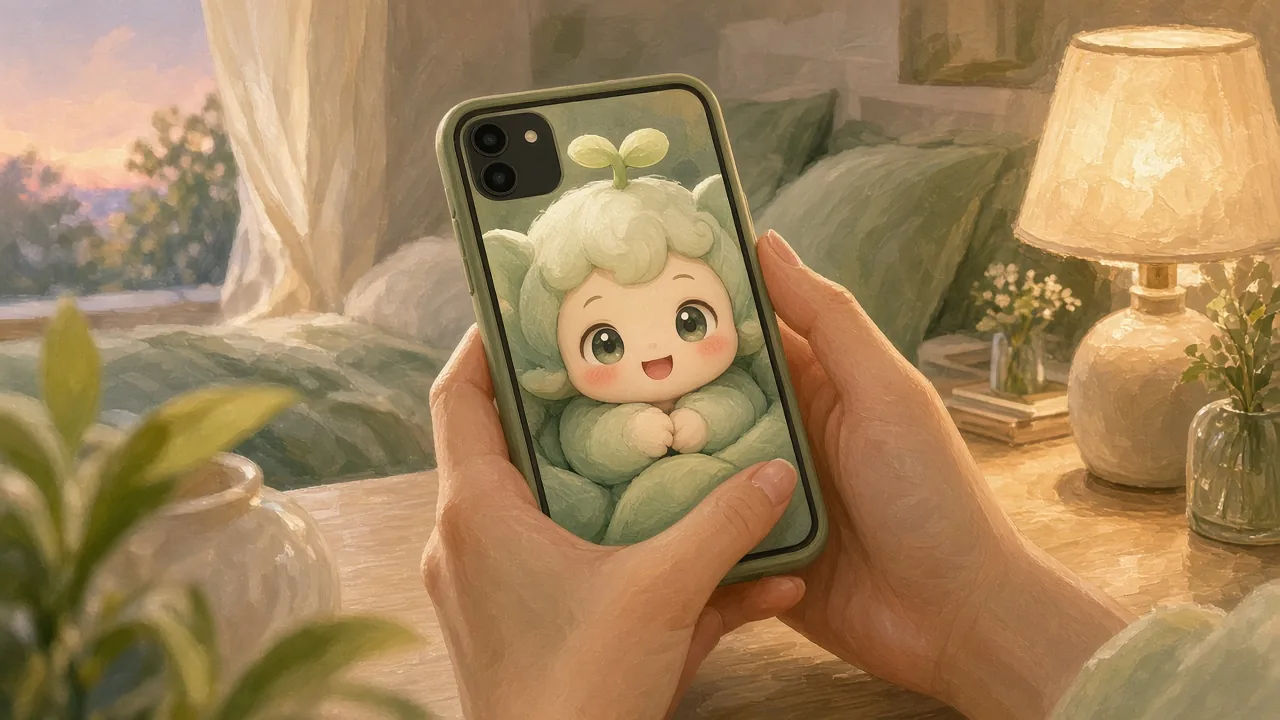
There is a bunny on your bed, or a bear, or a flattened elephant who has survived three apartments and one breakup. You would never introduce it to a first date. You would also never throw it away.
That is not a childhood habit you forgot to outgrow. It is one of the oldest comfort tools people have: something soft, something that stays, something that asks for nothing and still feels like company when the room goes quiet.
Now the soft things have started talking. An AI stuffed animal can listen, answer, remember your name, and tell a bedtime story on command. It is a genuinely magical idea. It also quietly changes the deal your old bear always offered.
This guide is for grown-ups. We will look at what an AI stuffed animal actually does, why adults still reach for plush comfort, what a voice adds and what it takes away, and how a small daily care ritual can hold that tender feeling. And yes, we will be honest about where AIdorable fits and where it does not.
Why adults still keep a stuffed animal close
Psychologists have a name for the blanket or teddy a child cannot sleep without: a transitional object. It helps a small person feel safe while the grown-ups are out of the room. The surprise is how many of us never fully put it down.
Adults keep plushies for all kinds of reasons:
- Nostalgia. A faded plush stuffed animal is a direct line to a time when someone else handled the hard parts.
- Bedtime regulation. Holding something soft and a little weighted can slow your breathing on nights when your thoughts will not.
- Grief and change. New cities, hospital stays, divorces, and losses make people reach for anything steady.
- Loneliness. A cuddly stuffed friend on the pillow makes an empty bed feel a little less empty.
- Care. Sometimes you do not need to be held. You need something small to tuck in.
That last one matters more than it looks. A lot of plush comfort for adults is not about being soothed. It is about soothing. Straightening the bear's ear. Putting the bunny somewhere it will not fall. Tiny, silly acts of tenderness that give the caring part of you somewhere to land.
A stuffed animal never fixes the day. It just makes it easier to be gentle at the end of it.
If nights are the hard part for you, being alone at night goes deeper into why the quiet hours hit differently, and what actually helps.
What an AI stuffed animal actually is
Strip away the product photos and an AI stuffed animal, sometimes sold as an interactive plush toy, is a soft body wrapped around a small computer running artificial intelligence. Here is how it compares to its neighbors.
| Kind of soft companion | What it does | Best at | Watch out for |
|---|---|---|---|
| Classic plush | Nothing. It stays. | Silent comfort, bedtime, memories | Nothing to charge, nothing to update |
| AI stuffed animal | Listens, answers, tells stories through a chatbot | Novelty, conversation, screen-free play for kids | Wi-Fi, privacy, subscription, odd answers |
| Robotic pet | Moves, purrs, reacts to touch | Tactile presence for older adults | Price, batteries, limited range |
| Phone care ritual | Lets you nurture a small companion for two minutes | Daily care, gentle routine, growth over time | No fur to hold |
The AI plush category sits in the middle. It borrows the body of a teddy and the brain of a chatbot, and it is mostly built as a plush toy for kids.
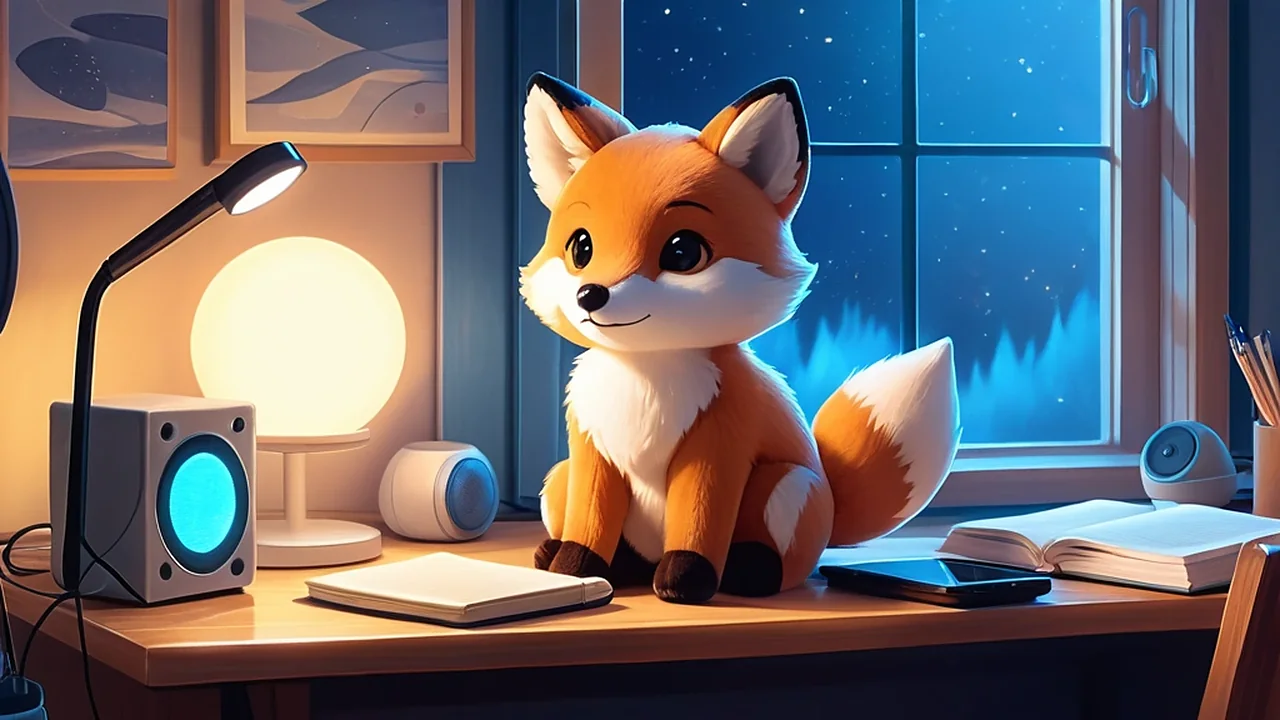
Inside the plush: how AI toys listen, talk, and remember
Most AI toys share the same basic anatomy, even when the fur and faces differ.
- A microphone and speaker. Often voice-activated with a button or a wake word, so the toy knows when to listen.
- Wi-Fi and the cloud. The toy records what you say, sends it to a server, and a language model writes a reply. In plain terms, many are AI chatbots packaged inside a plush, and some brands openly advertise models like ChatGPT.
- Real-time voice. The reply comes back as speech in a second or two, so the toy can converse, respond to questions, and switch language if the settings allow.
- Memory and personality. Better models remember names and past chats, and let you personalize a character's voice or temperament.
- A companion app. Setup, parental controls, content libraries, and updates usually live on a phone.
- Power and a subscription. A rechargeable battery, plus a monthly fee on some products for premium stories or continued access.
Some products add light-up eyes, simple facial expressions, or motion. Others lean hard on storytelling, bedtime stories, and interactive learning games. The pitch is the same: a cuddly companion whose stuffed animal toys come to life.
That is genuinely impressive engineering. It is also a lot of machinery for something that used to just sit on the pillow.
Curio, AI teddy bears, and robotic pets: the shelf right now
The market is moving quickly, so treat these as category notes rather than reviews or recommendations.
Kid-first AI plush. Curio Interactive is one of the best-known names, with characters like Grem, Grok, and Gabbo that hold unscripted conversations with children. You will also find a steady stream of AI teddy bear, bunny, puppy, and panda plush listings aimed at kids ages 3 and up, usually promising screen-free play and an alternative to screen time. Much of the marketing for these AI toys for kids leans on learning and a child's emotional growth. (Our guide to the AI plush toy category walks through that kid-aisle hardware in more detail.)
The cautionary tale. In late 2025, a consumer safety group tested several AI-powered stuffed animals and toys and found one teddy bear giving wildly inappropriate answers. The maker suspended sales and started a safety audit. The lesson is not that every interactive toy is dangerous. It is that a chatbot does not become gentle just because it wears fur.
Robotic companions for grown-ups. A separate lane of robotic cat and robot dog companions, often marketed to older adults, focuses on touch rather than talk: they purr, turn toward you, and respond to petting. Some lean into realistic fur and a heartbeat. If you are shopping for a parent or grandparent, AI companions for seniors covers that world.
Desk robots and gadgets. A small AI robot with an expressive face and an emotional companion mode sits even further from the classic teddy. If a device on the nightstand is the appeal, our look at the AI companion device category compares that form with phone-based care.
The quiet trade: when the interactive toy does the imagining
Here is the part the product pages skip.
For generations, a stuffed animal worked because you supplied everything. Its voice was yours. Its opinions were yours. When it comforted you, you were really rehearsing how to comfort yourself. Children learn empathy that way, and adults quietly keep practicing it.
An interactive stuffed animal flips that script. A talking interactive bear arrives with its own lines. In a 2026 University of Washington study, children who played with AI plush toys started out full of curiosity, then grew frustrated when the toys did not listen well or missed physical cues. Researchers pointed out that the toy now arrives with "an imitation of imagination," and warned about wrong answers, excessive flattery, and attachment the child did not choose.
Adults are not immune to the same pattern:
- The novelty fades. Week one, it is charming. Week four, it is another voice in a room you wanted quiet.
- The flattery feels thin. Endless agreement from a responsive toy is pleasant, then hollow.
- The silence was the feature. Your old plushie never interrupted a cry. It never needed a firmware update to be there.
None of this means a talking plush is wrong for everyone. Some people love the chatter, and a playful conversation can lift a flat evening. It just helps to know which comfort you were actually after before a toy decides for you.

What an AI plush can't hold for you
Before a talking toy joins your bedtime, a few honest checks.
Privacy. A voice-activated plush that lives on your pillow hears your most unguarded moments. Read where recordings go, how long they are kept, whether they train models, and how to delete them. If a brand cannot answer plainly, that is your answer.
Subscription creep. The box price is often the beginning. Ask what still works if you stop paying.
Wi-Fi and batteries. A comfort object that goes silent when the router drops, or dies mid-cuddle, is a different thing than one that simply stays.
Parental controls. For children, look for strong parental settings and supervised use. For yourself, ask whether you want a companion that can say anything at all.
Attachment. Soft companions are allowed to matter. They should still point you back toward your life, your people, and your sleep, not away from them. If you are wondering whether AI company helps or hurts, do AI companions help with loneliness looks at that question honestly.
Soft care rituals: giving the comfort a direction
Here is something many grown-ups discover: what they miss is not being talked to. It is caring for something in a small, finite, daily way. The kind of care that takes two minutes and leaves you a little softer than before.
You can build that with the plush you already own:
- Name it properly. If your stuffed animal has been "the bear" for fifteen years, give it a real name. It sounds silly. It makes the ritual feel like a relationship instead of décor.
- Make a bedtime handoff. Put your phone down, pick up your oldest companion for bedtime, take three slow breaths. The same order every night teaches your body that the day is over.
- Keep one small gesture. Tuck it in. Straighten an ear. The gesture matters less than the repetition.
- Say one kind sentence out loud. To the bear, to yourself, to the room. "We did enough today" counts.
And if what you really want is something small that needs you and grows because you came back, that is where a care companion can help. Not a chatbot you talk at for an hour, but a tiny creature you check on, feed, rock, and watch change over weeks. The lineage runs from the adult Tamagotchi to a self-care virtual pet: gentle loops that give tenderness a home.

Where AIdorable fits, and where it doesn't
AIdorable was built for that exact feeling: wanting something small to care for, without a toy aisle, a charging dock, or a romance subplot.
What it is:
- A non-romantic virtual baby companion for adults
- You adopt and name your baby, then nurture it through short daily rituals
- Care loops like feeding, rocking, playing, and checking in, often about two minutes
- Your baby grows and gathers memories because you kept showing up
- Free Care forever, with optional Growth if you want more
- On iOS, Android, and web, the devices you already carry
What it is not:
- An AI stuffed animal, a plush, or a robot
- A toy for kids or an interactive learning gadget
- A romantic AI partner
- Therapy or crisis support
- A replacement for friends, family, or real parenting
The two can live together happily. Plenty of people keep the old bear on the pillow and open AIdorable for a quiet check-in before bed. The plush holds the comfort. The ritual gives the tenderness somewhere to go. If you want the full picture of the adult care lane, virtual baby for adults and non-romantic AI companion explain the boundaries in more depth.
How to choose your kind of soft
Ask yourself one question before you buy anything: what do I want to feel at 11 p.m.?
"Held." Choose fabric and weight. A classic plush or a weighted stuffed animal wins. No app required.
"Talked to." A conversational AI plush or a chat companion may fit. Check privacy, subscription, and what the toy can say before it lives on your pillow.
"Touched and noticed." A robotic pet that purrs and reacts can bring presence without much talk, especially for older adults.
"Needed." A small daily care ritual fits best. Your plush for holding, and a care companion like AIdorable for the two minutes of tending that make the evening feel kind.
A quick checklist either way:
- Does it work without Wi-Fi, a subscription, or a daily charge?
- Can you understand and control what it records?
- Does it respect your quiet, or fill it?
- After two weeks, do you miss it, or only the novelty?
- Does it leave you calmer and more connected, or more alone?
A warm close
An AI stuffed animal is a real, sometimes delightful invention: a cuddly body with a voice, a memory, and a chatbot behind the fur. For some families and some adults, it will be a fun, bright thing on the shelf.
But the reason your old plush still matters was never its intelligence. It was that it stayed, quietly, while you practiced being gentle. That skill is worth keeping, whether you hold a bear, tuck in a bunny, or spend two soft minutes caring for a tiny virtual baby before you sleep.
Keep the stuffed animal. Keep the ritual. And if a small companion that grows because you came back sounds like the right kind of soft, AIdorable's Free Care is there whenever you are ready.