
An AI pet companion app sits between two familiar ideas: a virtual pet you nurture and an AI companion that can respond in a more personal way. Instead of feeding a fixed animation forever, you may talk with a character, shape its habits, remember past moments, or watch its personality change through care.
That sounds simple, but these apps can feel very different in practice. Some are cozy care rituals. Some are chatbots wearing a cute avatar. Others focus on mini games, shared pets, or practical tools for people with real animals.
The right choice is not necessarily the app with the longest feature list. It is the one whose relationship loop matches what you want to feel when you open it.
AI Pet Companion Apps at a Glance
| Type | Core experience | Best for | Watch for |
|---|---|---|---|
| Nurturing companion | Feed, comfort, check in, and build a bond | A gentle daily care ritual | Streak pressure or shallow repetition |
| Chat-first AI pet | Open-ended AI chat with a pet personality | Conversation and imaginative play | Privacy, accuracy, and emotional boundaries |
| Shared social pet | Raise companions with friends or a partner | Collaborative play and connection | Account permissions and social friction |
| Game-first digital pet | Tasks, mini games, collecting, and upgrades | Progression and entertainment | In-app purchases and grind |
| Real-pet assistant | Pet profile, reminders, records, or AI guidance | Organizing care for a real animal | AI advice is not veterinary diagnosis |
| Physical pet robot | A pet robot connected to an app | Embodied interaction | Hardware price, durability, and cloud dependence |
What Is an AI Pet Companion App?
A traditional virtual pet responds to programmed states: hunger rises, happiness falls, and a button restores the meter. An AI-powered companion can add less predictable layers such as generated dialogue, remembered preferences, contextual reactions, or an evolving AI personality.
The category is broad. A social AI companion app may let two people raise a shared character. A digital pet game may use AI only for dialogue. An AI desktop companion might live beside your work instead of inside a full-screen game. A physical product such as an AI pet robot may connect an app to cameras, movement, or voice.
You may also see products described as a “new generation of Tamagotchi-style experiences.” That phrase is useful as a starting point, not a guarantee. AI does not automatically create depth. The important question is whether the companion’s responses form a coherent relationship over time.
The Four Layers That Create the Experience
Most convincing AI pet apps combine four layers:
- Care: Your pet needs attention, comfort, rest, play, or routine.
- Expression: The companion reacts through dialogue, animation, sound, or changing moods.
- Memory: It can reference selected past interactions or maintain a stable pet profile.
- Growth: Care unlocks new behaviors, appearance changes, story moments, or relationship milestones.
An app does not need every layer to be enjoyable. A calm two-minute ritual can feel better than a technically sophisticated AI chat that constantly demands attention.
How AI Changes the Virtual Pet Formula
The appeal of an AI pet is not merely that it says more words. It is the possibility that every action shapes its personality in small, legible ways.
AI companions learn—or appear to learn—through the information a product stores and the behavior its designers expose. A good experience might notice that you prefer quiet evening check-ins, remember a name you chose, or respond differently after a week of consistent care. The companion should evolve based on your interactions without becoming erratic.
Memory matters because a bond depends on continuity. If the app forgets everything, the relationship can feel disposable. If it remembers too much without clear controls, it can feel invasive. The best design makes remembering past moments and reacting to them feel warm and understandable.
Adaptation Is Not the Same as Consciousness
An interactive AI can generate surprising responses, but surprise is not proof that it understands you like a person or animal would. Language models can confidently invent details, mirror your tone, or produce emotional language without possessing human judgment.
That does not make the experience meaningless. People form real feelings around stories, keepsakes, games, and routines. It simply means healthy enjoyment starts with an honest frame: the feeling can be real even when the companion is software.

Choose the Relationship Loop Before the App
Before browsing apps on Google Play or the App Store, decide what you want to do most often.
1. Nurture Something Small
Choose a care-first app if you want to feed, soothe, dress, or check on a companion. These products work best when pet care feels affectionate rather than punitive.
Look for:
- Short sessions that still feel complete
- Visible growth without constant grinding
- Forgiving missed days
- Customization that supports attachment
- A care loop that changes as the relationship grows
This is AIdorable’s lane. It focuses on raising a tiny AI baby through care and presence, making it a softer option for people comparing a self-care virtual pet with a broad chatbot.
2. Talk to a Character
Choose a chat-first AI companion if conversation is the main event. A strong app should maintain a stable voice, give you clear controls, and avoid pretending that generated answers are always factual.
Ask whether you want open-ended AI chat, guided prompts, voice, roleplay, or a clearly non-romantic companion. Our guide to non-romantic AI companions explains why relationship framing matters before you invest time in one character.
3. Raise a Companion Together
Some apps let users raise companions with friends or raise an AI companion together with a partner. A shared pet can become a playful reason to check in, especially when both people contribute to its room, mood, or growth.
The tradeoff is coordination. Shared ownership needs understandable permissions, notifications, and recovery if one person leaves. Read the account settings in the app before attaching purchases or private chat to a shared profile.
4. Play and Progress
A game-first AI pet may center on quests, collecting, mini games, accessories, and new areas. This can be delightful if you want entertainment rather than emotional conversation.
Check whether progress comes from play or payment. “Free to download” does not necessarily mean the full experience is free, so inspect subscriptions, currency packs, ads, and restoration policies.
5. Support a Real Pet
Some “AI pet apps” are not virtual companions at all. They create a pet profile, organize reminders, identify breeds, analyze photos, or answer general care questions.
These tools can help you prepare questions, but they should not diagnose an injury, rash, swelling, unusual mark, poisoning, breathing problem, or behavioral emergency. Contact a qualified veterinarian for medical decisions. AI-generated pet guidance can be incomplete or wrong.
A good AI pet does not demand that you prove your devotion. It makes a small act of care feel meaningful, then lets you return to your life.
Seven Features That Actually Matter
1. A Clear Daily Ritual
The app should answer: “What do I do when I open it?” A focused ritual reduces choice fatigue and gives the relationship a rhythm. The ideal session may be two minutes, not twenty.
2. Coherent Memory
Look for memory you can notice and manage. The companion might remember a preference, a milestone, or a recent mood. Better products explain what is saved and let you correct or delete it.
3. Personality With Boundaries
A charming pet needs enough consistency to feel recognizable. Endless flattery is not personality. Neither is manufactured guilt when you leave. Choose an app whose tone feels supportive without pressuring you to stay online.
4. Growth You Can See
New behaviors, rooms, expressions, stories, or relationship stages make care feel consequential. Pure number inflation becomes stale quickly. The best growth reflects what you actually did together.
5. Sensible Notifications
Notifications should invite rather than alarm. Check whether hunger, health, or streak mechanics punish absence. A companion app should fit around sleep, work, travel, and difficult days.
6. Transparent Cost
Compare the full journey, not just the download button. Useful questions include:
- Is the AI companion app free only during onboarding?
- Which chat, memory, or customization features require a subscription?
- Are purchases cosmetic or necessary for normal care?
- Can you restore purchases and cancel easily?
- Does deleting the account also delete stored content?
7. Safety and Privacy Controls
An AI companion may process chat, profile details, voice, photos, and usage patterns. Read the privacy policy before sharing intimate information. Use a unique password, enable available account security, and avoid giving the app secrets about other people.

Privacy Questions to Ask Before You Bond
Companion apps are unusual because people naturally disclose more as a character begins to feel familiar. That makes privacy part of the product experience, not a legal footnote.
Before settling in, check:
- What is stored? Chat, images, voice, profile data, device information, and inferred interests may be handled differently.
- Why is it stored? Personalization, safety review, analytics, and model improvement are separate purposes.
- Who processes it? A product may rely on third-party AI, analytics, payment, or cloud providers.
- Can you export or delete it? Look for clear controls and realistic deletion timelines.
- Is human review possible? Safety systems sometimes involve authorized review of flagged content.
- What is the age rating? Cute visuals do not automatically mean a product is designed for children.
Avoid sharing passwords, financial details, government identifiers, confidential work, another person’s private information, or anything you would not want retained. If an AI makes a claim about health, law, money, or safety, verify it with an appropriate professional or primary source.
Can an AI Pet Help With Loneliness?
A companion can add structure to an empty moment. The ritual of checking in, naming feelings, or caring for a character may feel grounding. For some people, it becomes a bridge into journaling, rest, play, or reaching out to someone else.
But an app should not become your only source of connection. AI lacks mutual human vulnerability, physical presence, community responsibility, and professional judgment. If loneliness is persistent or painful, combine digital comfort with small human steps: message a trusted person, join a recurring group, volunteer, spend time in a shared space, or speak with a mental health professional.
For a fuller view of benefits and limits, read do AI companions help with loneliness?. The healthiest role is often supporting life, not replacing it.
Signs the Routine Is Working
The app is probably serving you well if it:
- Leaves you calmer, amused, or gently motivated
- Fits into your day without stealing sleep
- Supports other routines instead of replacing them
- Feels easy to pause
- Encourages care without guilt
Signs to Reset Your Boundaries
Consider changing settings, taking a break, or deleting the app if you feel compelled to spend beyond your budget, panic about missing a notification, withdraw from people you value, or treat generated advice as unquestionable truth.
AIdorable as a Care-First Alternative
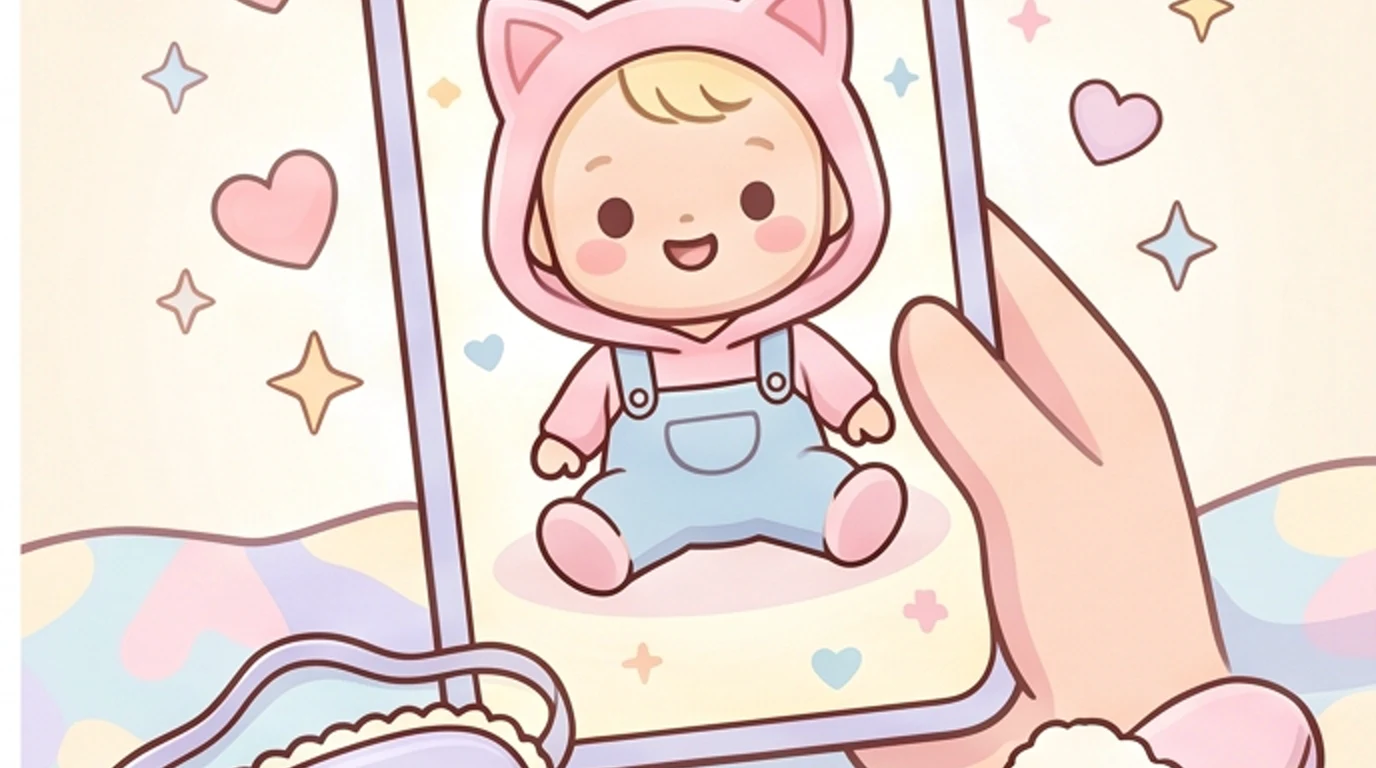
AIdorable is for people who want to raise a companion through nurturing, not maintain an endless conversation. You adopt a tiny AI baby, check in, care for it, and watch the relationship grow through repeated moments of presence.
That makes it different from both a general chatbot and a high-maintenance game. The goal is a small emotional ritual: something sweet enough to anticipate, but gentle enough to fit into a real day.
If that sounds closer to what you want, compare the wider landscape in our guide to the best AI companion apps or explore why a virtual pet companion app can feel more approachable than open-ended chat.
Conclusion: Choose the Feeling, Not the Feature Count
The best AI pet companion app is the one that creates the kind of moment you actually want: a warm care ritual, a talkative character, a shared pet, a playful progression system, or practical support for a real animal.
Start with that desired feeling. Then test the app’s memory, personality, privacy, pricing, and notification pressure before investing deeply. A convincing AI pet should not merely generate more content. It should turn your actions into a relationship you can understand, enjoy, and leave without guilt.
If you want a softer place to begin, adopt your AIdorable companion and see how one small act of care can grow into something worth returning to.