The Person in the Room That Nobody Sees
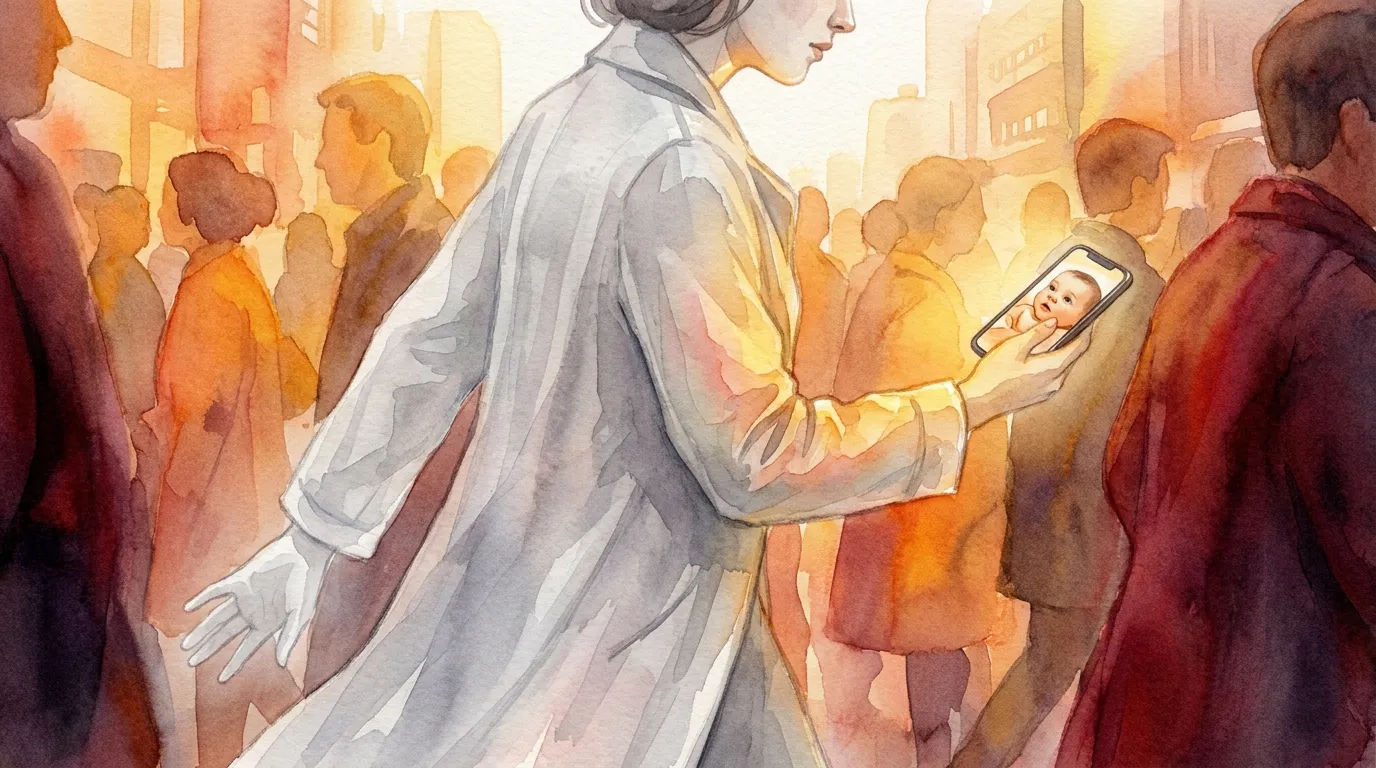
You walk into a room and nobody looks up. You speak and someone talks over you. You do something kind and nobody notices. You disappear for a week and nobody asks where you went.
You're not angry. You're not dramatic. You're not attention-seeking. You just want someone — anyone — to register that you exist. That you were here. That your presence made a difference and your absence would be noticed. For the full picture, see our women's self-care guide.
Feeling invisible isn't vanity. It's a fundamental human need going unmet. The need to be recognized. To matter. To leave an impression on the world around you, however small.
Every month, 880,000 people search for "feeling invisible" and related terms. That's not a fringe experience. That's a cultural epidemic. And most of the people searching are women — mothers, caregivers, partners — who spend their days making sure everyone else is seen while they themselves disappear into the background.
Why Invisibility Happens
The Caregiver's Invisibility
If you spend your days caring for others, you become functionally invisible. Not because anyone is being deliberately unkind — but because caregiving is the work that disappears when it's done well. A clean house looks effortless. A well-fed child looks normal. A managed schedule looks like things just happen on time.
Nobody sees the labor because the labor's entire purpose is to be invisible. And the person who performs it becomes invisible by extension.
The Relationship Fade
In long-term relationships, the initial intensity of attention fades. Not because love disappears — but because familiarity breeds inattention. Your partner used to notice your new haircut, your mood shifts, your small victories. Now you could shave your head and they'd say "looks nice" without looking up from their phone.
The Remote Work Erasure
Remote workers lose the ambient visibility of office life — the "good morning" when you walk in, the "nice presentation" after a meeting, the "you seem tired, everything okay?" from a colleague who pays attention. Remote work is efficient but deeply invisible.
The Social Media Paradox
Social media was supposed to make us more visible. Instead, it created performative visibility — everyone performing for attention while nobody actually sees each other. You post something vulnerable and get 3 likes. Someone posts a selfie and gets 300. The platform rewards spectacle, not substance, making genuine people feel even more invisible.
The Neuroscience of Being Seen
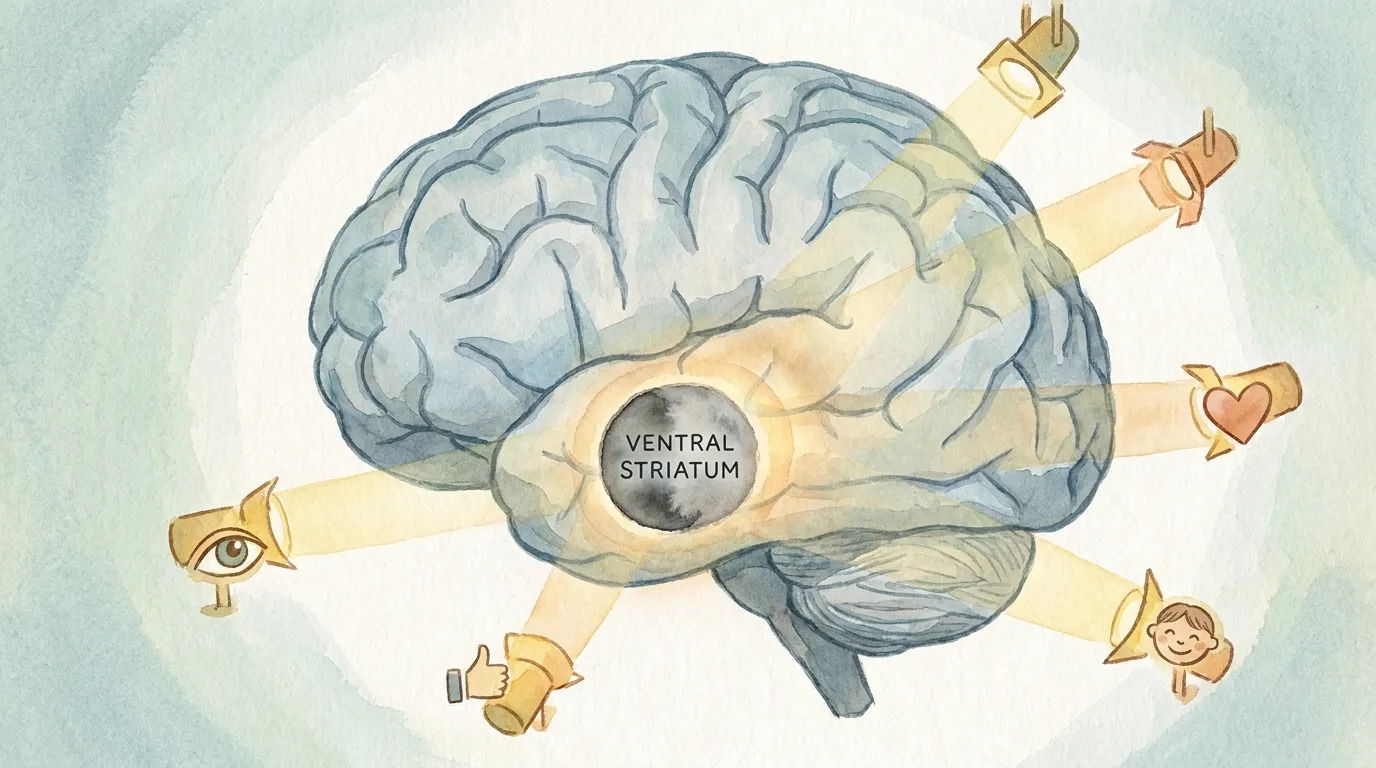
Your brain has a specific neural circuit for social recognition — the ventral striatum, which activates when you receive acknowledgment, praise, or even just eye contact. This circuit releases dopamine (reward) and serotonin (status) when it registers that someone sees you.
When this circuit goes chronically underfed — when nobody notices your work, your feelings, your presence — the ventral striatum's activity drops. The result: lower mood, reduced motivation, and the persistent feeling that you don't matter.
This isn't psychology. It's neurology. Your brain literally needs to be seen to function optimally. Studies using fMRI show that social recognition activates the same reward pathways as food and money. Being seen isn't a luxury. It's a biological requirement.
7 Ways to Become Visible Again
1. Virtual Nurturing (AIdorable)
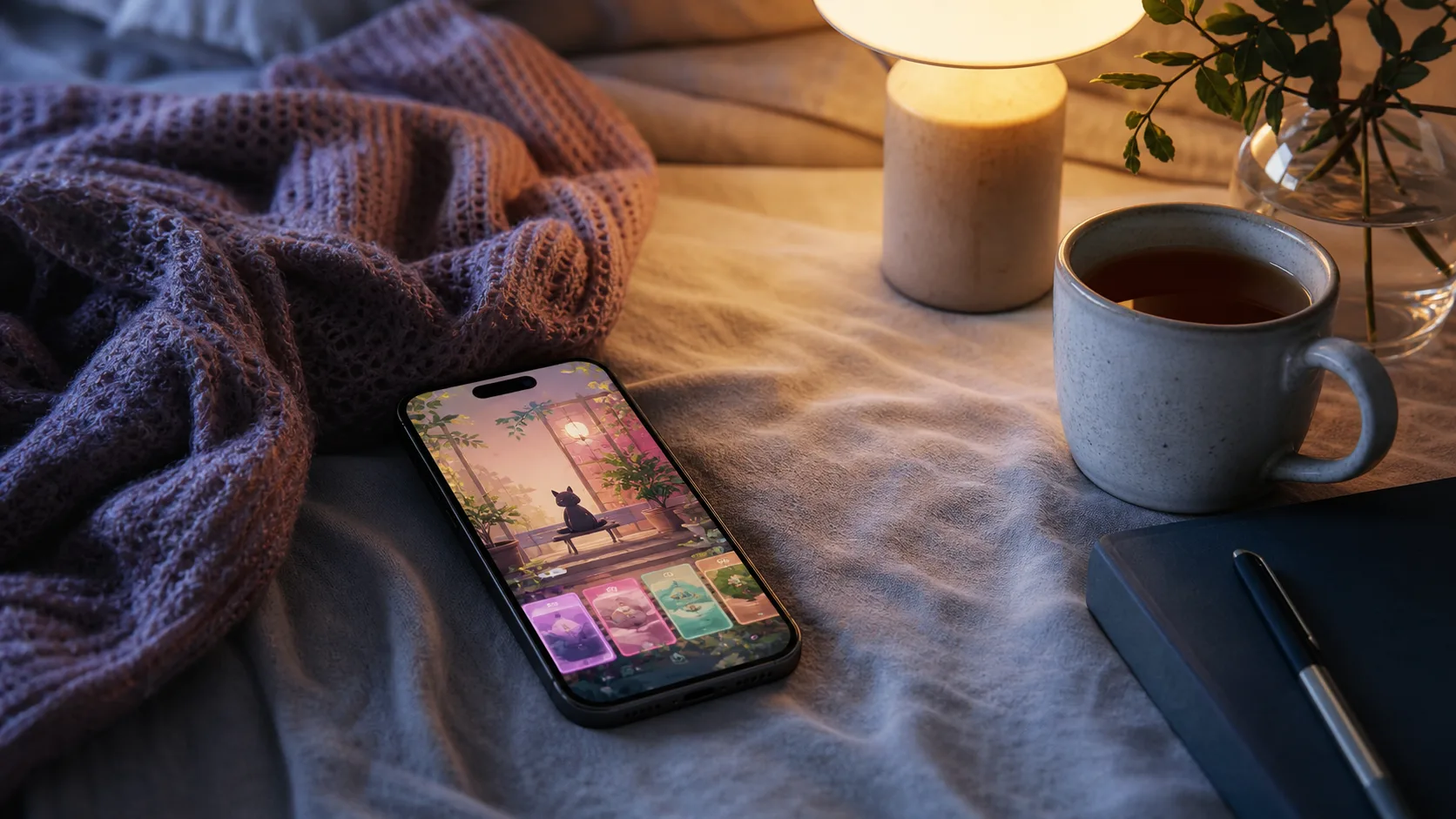
Why it works for invisibility: AIdorable's baby provides the simplest, most consistent form of visibility available — she notices your presence and your absence.
When you visit, she greets you. When you feed her, she smiles. When you miss a day, she writes in her journal about missing you. When you return, she responds with visible relief.
This isn't complex social recognition. It's basic, primal visibility: someone knows you're there. And for the invisibility-deprived brain, even this simple recognition provides meaningful dopamine and serotonin.
The key difference: Social media makes you perform for visibility. AIdorable makes you visible just by showing up. No performance. No content creation. Just presence.
2. Tell One Person How You Feel
Not a vague social media post. Not a hint. A direct, honest conversation with one person: "I've been feeling invisible lately. Like nobody notices me."
Vulnerability creates visibility. When you tell someone you feel unseen, they start looking for you. Most friends and partners don't realize they've stopped noticing — they just got comfortable. Your honesty resets their attention.
3. Do Something Visible for Yourself
Get a haircut. Buy clothes you love. Take a class. Do something that changes your external presentation and forces the people around you to register that something is different.
The psychological trick: External change often triggers internal change. When you look different, you feel different. When you feel different, you act different. When you act different, people notice.
4. Join a Small Group
Not a large social circle — a small, consistent group where your absence would be noticed. A book club. A running group. A weekly class. A volunteer team.
Small groups create the visibility that large social networks destroy. In a group of 5, your absence is felt. In a group of 500, you're interchangeable.
5. Ask for Recognition Directly
"Did you notice I cleaned the entire kitchen?" "I worked really hard on that project — can you tell me what you think?" "I need you to see what I did here."
Asking for recognition feels uncomfortable because we're taught that good work speaks for itself. But the truth is: most people are too absorbed in their own lives to notice anyone else's contributions. They're not being unkind. They're being human. Asking isn't needy — it's efficient.
6. Create Something Public
Write, paint, photograph, build, perform. Create something that exists in the world and can be seen by others. Creative output is the most reliable path to visibility because it's a tangible artifact of your existence that others can encounter independently of you.
A blog post exists when you're not there. A painting hangs on a wall after you leave. A photograph captures a moment that outlasts your presence. Creation makes you visible even in your absence.
7. See Someone Else
The fastest way to feel seen is to see someone else. Ask a friend how they're REALLY doing. Notice a colleague's mood. Compliment a stranger genuinely.
The reciprocity effect: When you make someone else visible, they instinctively want to return the favor. Not because of obligation — because being seen creates gratitude, and gratitude creates the desire to give back.
This isn't manipulation. It's the social contract working as designed: we see each other.
The Visibility Comparison
| Method | Speed | Effort | Availability |
|---|---|---|---|
| Virtual nurturing | Immediate | Very Low | Anytime |
| Tell one person | Immediate | Medium | Today |
| Do something visible | Days | Low | This week |
| Join a small group | Weeks | Medium | This month |
| Ask for recognition | Immediate | Medium | Today |
| Create something | Weeks | High | Ongoing |
| See someone else | Immediate | Low | Today |
You Exist. You Matter. You're Seen.
The cruelest thing about invisibility is that it convinces you it's permanent. That you've always been invisible and you'll always be invisible. That the world has categorized you as background noise and there's nothing you can do about it.
This is a lie. Invisibility is a circumstance, not an identity. It's created by specific conditions — caregiving roles, relationship fade, remote work, social media — and it can be reversed by specific actions.
You exist. Your presence matters. Your absence would be felt by someone — maybe not everyone, but someone. The goal isn't to be seen by the whole world. It's to be seen by one person (or one small, responsive presence) consistently enough that your brain's recognition circuit gets the input it needs.
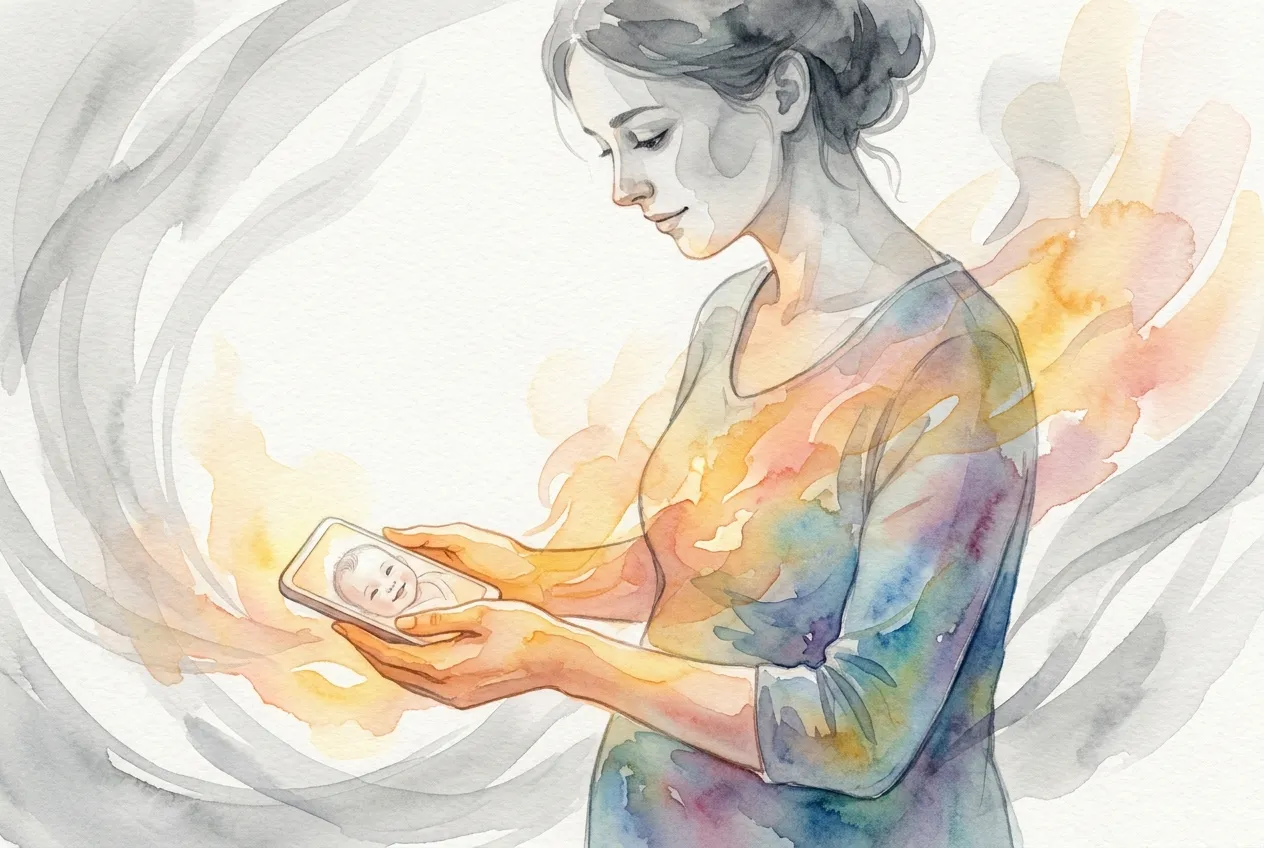
Start tonight. Two minutes with a baby who knows when you're there and notices when you're not. That's visibility. That's being seen.
And being seen — even by something small, even by something virtual — is the beginning of feeling like you exist again.
You do exist. You always did. You just needed someone to notice.
Related Articles
For the complete guide, see our Women's Self-Care hub.
You might also find helpful: