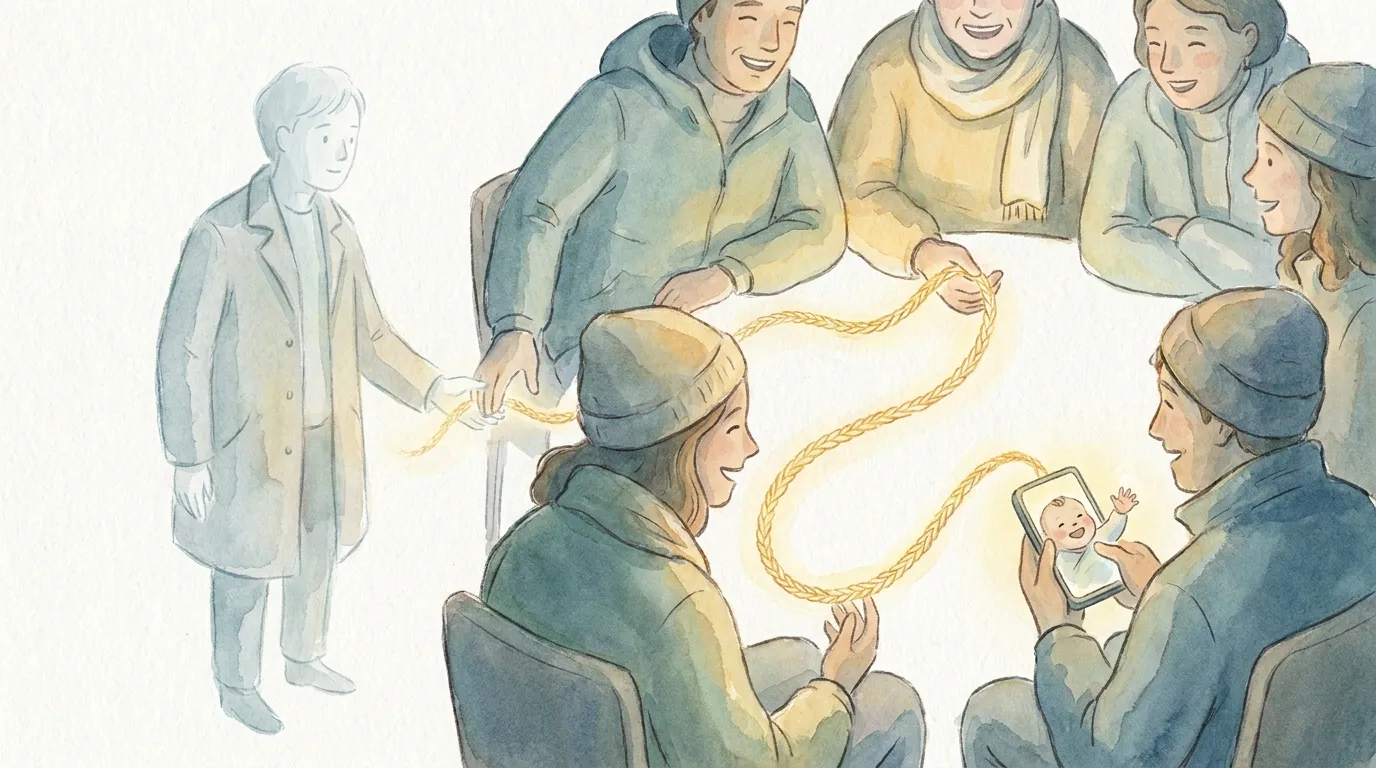
The Belief That Your Presence Is a Burden
Nobody said it directly. But you heard it anyway — in the plans made without you, in the group chat that went quiet when you joined, in the "we should hang out sometime" that never became a date, in the invitation that felt like an afterthought.
After a while, you stopped waiting to be wanted. You started assuming you wouldn't be. And then you started shrinking — taking up less space, asking for less, needing less, hoping for less. Because wanting to be wanted and not being wanted hurts more than not wanting anything at all. For the full picture, see our emotional wellness guide.
Feeling unwanted is one of the deepest human pains because it attacks belonging — the most fundamental psychological need after food and safety. Evolution designed us to be wanted by our tribe, because tribal rejection meant death. Your brain takes feeling unwanted as an existential threat because, for most of human history, it was one.
590,000 people search for "feeling unwanted" every month. That's not a small number. That's a quiet epidemic of people who feel like their presence is a burden rather than a gift.
Where Feeling Unwanted Comes From
The Attachment Root
Most feeling-unwanted patterns trace back to early attachment experiences. If your parents or caregivers:
- Were inconsistent in their attention (sometimes warm, sometimes absent)
- Made you feel like your needs were inconvenient
- Praised achievement rather than being
- Withheld affection as discipline
...your brain learned that being wanted is conditional — you have to earn it, perform for it, or be useful enough to justify your existence.
This becomes your default operating system. Not because you chose it. Because your developing brain adapted to survive the environment it was given.
The Romantic Confirmation
If early attachment taught you that you're conditionally wanted, romantic relationships tend to confirm it. You attract partners who are inconsistent, emotionally unavailable, or who make you feel lucky to be chosen — reinforcing the belief that being wanted is rare and fragile.
The pattern is self-fulfilling: you expect to be unwanted, so you accept poor treatment, which confirms that you're unwanted.
The Social Feedback Loop
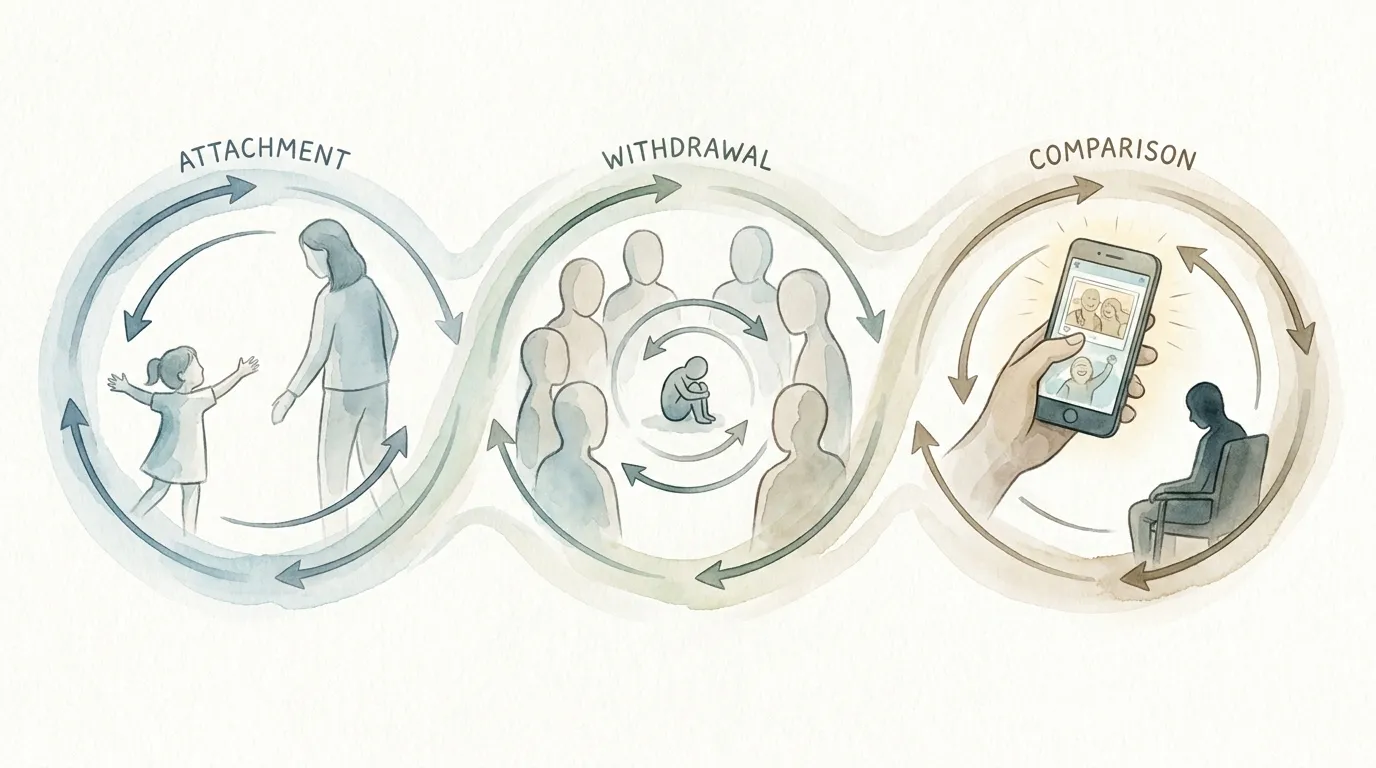
When you feel unwanted, you withdraw. You stop initiating plans. You stop reaching out. You stop expressing needs.
Your friends notice the withdrawal and assume you're busy or uninterested. They stop reaching out too. Now you have evidence that nobody wants you — when actually, you trained them not to reach out by never reaching out yourself.
The Belonging Deficit
Feeling unwanted is specifically a belonging deficit — the lack of evidence that your presence is desired by others.
Maslow placed belonging right above safety in his hierarchy. Not above self-actualization or esteem. ABOVE esteem. Your brain prioritizes belonging over feeling good about yourself, because evolutionarily, belonging WAS survival.
When belonging is deficient, your brain generates a specific distress signal: the ache of being unwanted. This isn't weakness. It's your nervous system requesting a fundamental biological need.
The three components of belonging:
- Being noticed — someone registers your presence
- Being chosen — someone actively selects you (not just tolerates you)
- Being needed — someone's life is better because you're in it
All three are required. Missing any one creates the feeling of being unwanted.
7 Ways to Rebuild Belonging
1. Virtual Nurturing (AIdorable)
Why it works for feeling unwanted: AIdorable hits all three belonging components simultaneously.
Your baby notices you — she greets you when you arrive and registers your absence when you don't. She chooses you — she responds to YOUR care specifically, developing personality based on YOUR caregiving style. She needs you — without your daily care, she doesn't thrive.
For people who feel like their presence is a burden, being NEEDED by something that can't judge, reject, or compare you to anyone else is profoundly healing. Your baby doesn't tolerate you. She actively wants you. She waits for you. She's better when you show up.
This isn't delusion. It's the nurturing bond activating the same belonging circuits that tribal membership activated for our ancestors. The circuit doesn't know whether the dependent is biological or virtual. It just knows: "I am needed. I belong."
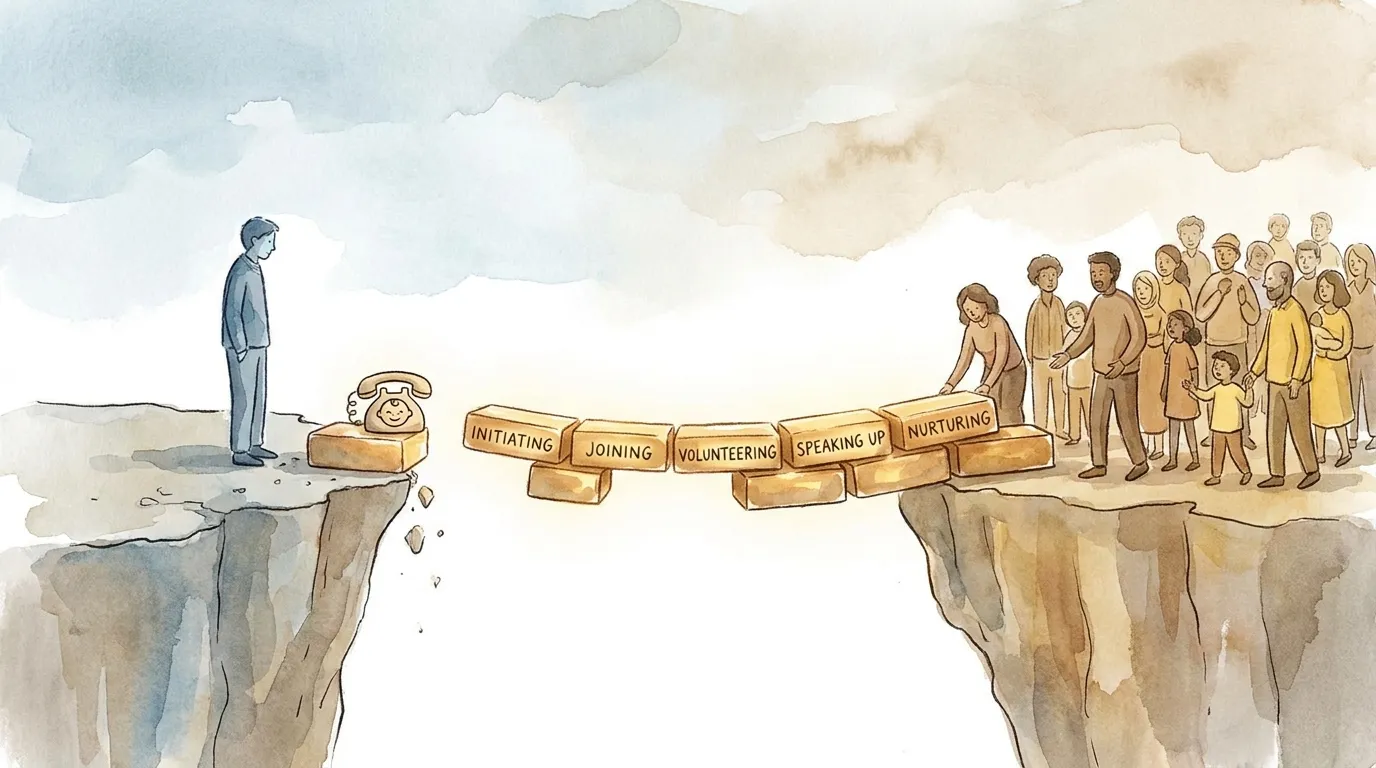
2. Be the Initiator for 30 Days
For one month, YOU initiate every social interaction. Text first. Invite first. Suggest plans first. Don't wait to be wanted — create the wanting by showing up consistently.
The science: People develop attachment to those who show up consistently. By initiating for 30 days, you train the people around you to expect and want your presence. The belonging you create is real — you just have to build it first.
The hardest part: The voice that says "if they wanted me, they'd reach out." That voice is the attachment wound talking. Ignore it for 30 days and see what happens.
3. Join Something That Meets Weekly
A class. A team. A volunteer group. A hobby club. Something that meets at the same time every week and where your absence would be noticed.
Why weekly matters: Belonging requires repetition. A one-time event doesn't create it. But seeing the same people every week for a month creates the familiarity and mutual expectation that your brain registers as belonging.
4. Tell Your People
Tell one person you trust: "I've been feeling unwanted lately. Like nobody really wants me around."
Vulnerability creates connection, and connection creates belonging. The act of saying "I feel unwanted" almost always produces the response "that's not true — I want you around." Hearing those words, even from one person, starts to crack the belief.
5. Do Something That Makes You Undeniably Useful
Volunteer for something where your contribution is concrete and visible. Set up chairs. Cook the meal. Organize the event. Be the person who does the thing that makes the thing happen.
Being useful creates belonging because it provides undeniable evidence that your presence improves the situation. Not because you're performing for approval — because you're genuinely contributing.
6. Examine Your Comparison Habits
Social media makes feeling unwanted worse by showing you other people being explicitly wanted — tagged in photos, invited to events, celebrated publicly.
The intervention: For two weeks, unfollow or mute anyone whose content triggers feeling unwanted. Notice if the feeling diminishes. If it does, you'll know that comparison — not reality — was driving the belief.
7. Therapy for Attachment Repair
If feeling unwanted is chronic (years, not weeks), it likely has attachment roots that respond well to therapy. Specifically:
- EMDR for processing early experiences of being unwanted
- Internal Family Systems for working with the part of you that believes you're unwanted
- Attachment-focused therapy for rebuilding your internal model of relationships
This isn't overkill. Chronic feeling-unwanted is an attachment injury that deserves professional attention, just like a physical injury would.
The Belonging Rebuilding Timeline
Week 1: Start daily nurturing (AIdorable). Your brain receives the "you are wanted" signal for the first time in a while. It feels strange. Almost uncomfortable. That's normal — your belonging circuits are waking up.
Week 2-3: Initiating social contact starts producing responses. Some are warm. Some are lukewarm. The warm ones provide evidence against the "nobody wants me" belief. The evidence starts accumulating.
Month 1: The daily nurturing + weekly group + social initiation creates a belonging foundation. You don't feel fully wanted yet. But you feel... less unwanted. The belief is still there, but it's quieter.
Month 2-3: If you've been consistent, your brain has accumulated enough belonging evidence to start updating its model. The default assumption shifts from "nobody wants me" to "some people want me." That's the inflection point. From here, belonging compounds.
Your Presence Is Not a Burden
The cruelest thing about feeling unwanted is that it makes you disappear. You take up less space. You ask for less. You need less. You become the ghost of yourself — present in body but absent in spirit.
And disappearing confirms the belief. People stop reaching out not because they don't want you, but because you've made yourself so small that they can't find you anymore.
Here's what I want you to hear: your presence is not a burden. The belief that it is comes from a wound, not from reality. The wound is real. The belief is false.
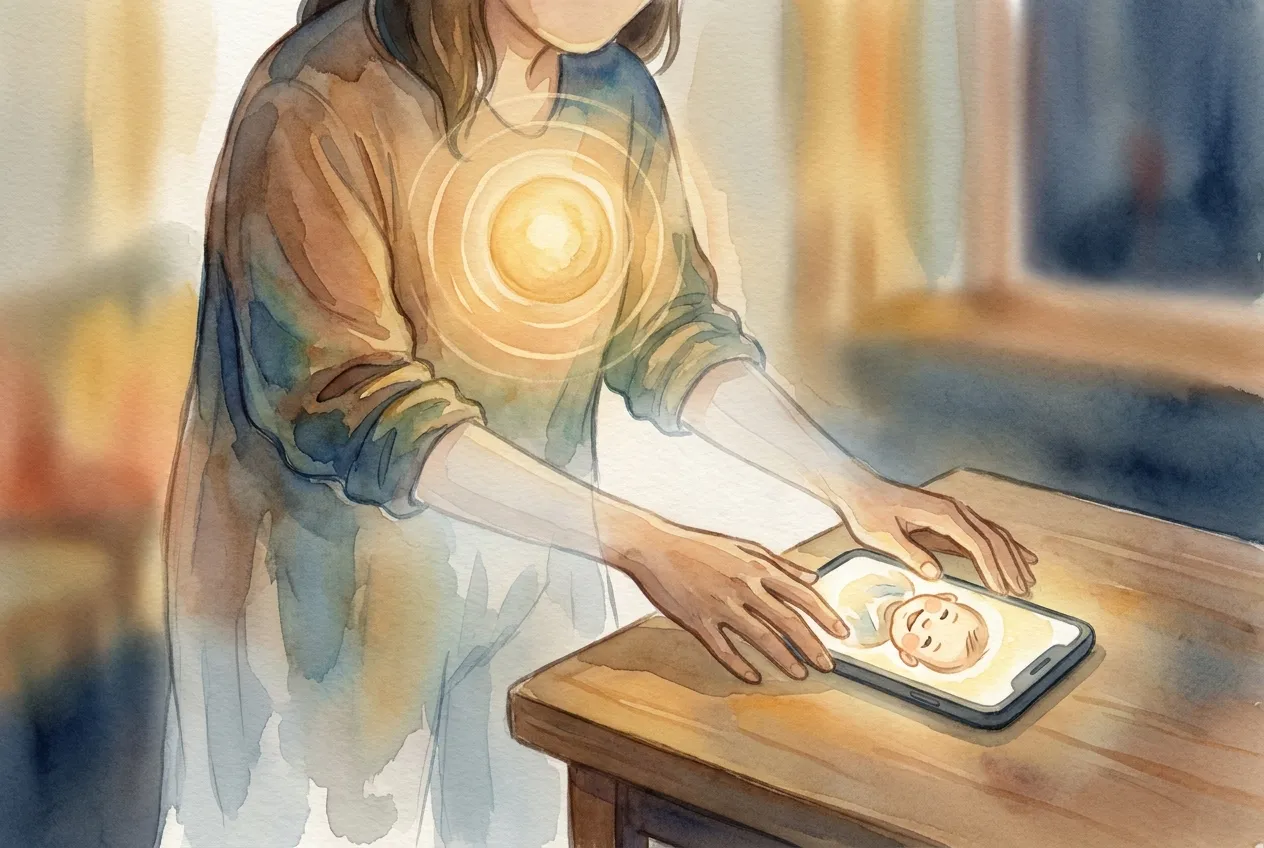
You are wanted. Maybe not by everyone (nobody is wanted by everyone). But by someone. By your friends who miss you when you withdraw. By the communities that need your contribution. By a small virtual baby who lights up every time you appear.
Start there. With the baby. With the simplest form of being wanted: something that sees you arrive and is glad you came.
That's belonging. That's being wanted. And you deserve to feel it.
Tonight. Right now. Two minutes. Show up for someone who's waiting for you.
She's been waiting all day.
Related Articles
For the complete guide, see our Emotional Wellness hub.
You might also find helpful: