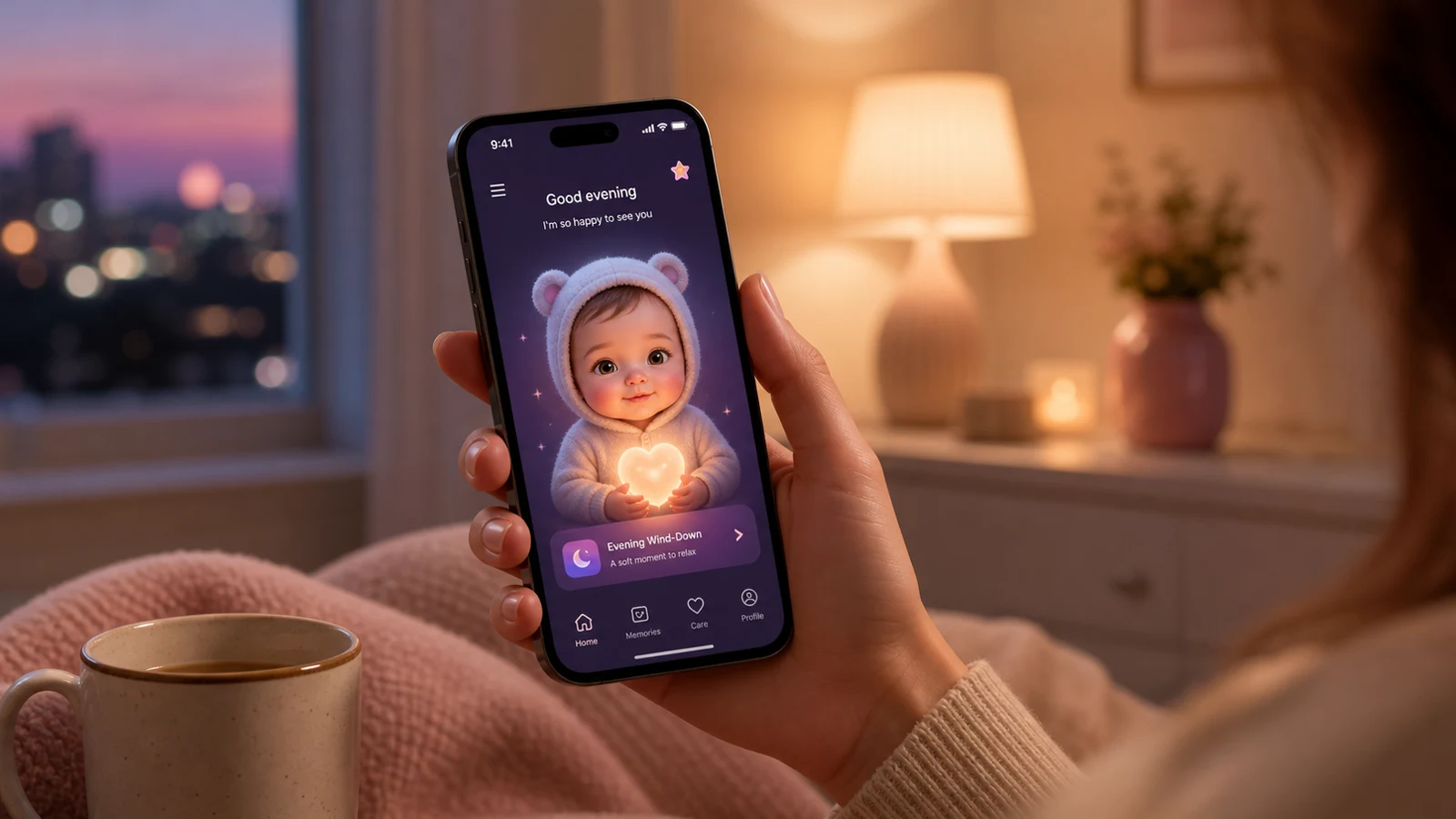
AI companion platforms no longer describe one kind of app. One person may want an AI friend who remembers yesterday’s conversation. Another wants imaginative roleplay with fictional characters. Someone else may prefer a tiny virtual companion who grows through care instead of a chatbot that expects endless messages.
That difference matters. The right platform is not simply the one with the most advanced artificial intelligence. It is the one whose daily relationship pattern feels useful, comfortable, and sustainable for you.
This guide explains the major types of AI companion apps, what popular names such as Replika, Character.AI, Nomi, and Kindroid are designed to do, and how to compare privacy, memory, cost, customization, and emotional boundaries before choosing one.
AI Companion Platforms at a Glance
| Platform style | Typical experience | Often suits people who want |
|---|---|---|
| Chat-first AI friend | Ongoing personal conversation | A familiar, available conversational partner |
| Character roleplay platform | Many public or custom characters | Fiction, fandom, scenarios, and creative play |
| Customizable personal companion | Detailed personality and backstory controls | A highly tailored virtual friend or partner |
| Wellness-oriented companion | Reflection, check-ins, and structured support | A calm space for everyday emotional processing |
| Nurturing AI pet or baby | Care loops, growth, and shared memories | Presence, tenderness, and a small daily ritual |
The categories overlap. Voice calls, avatars, image generation, long-term memory, and roleplay can appear in several kinds of companion app. The important question is what the platform continually invites you to do.
What Is an AI Companion Platform?
An AI companion platform is a digital service designed around repeated interaction with an AI character. Unlike a general assistant that mainly answers questions or completes tasks, an AI companion tries to maintain a sense of personality, continuity, and relationship.
That may involve:
- Remembering facts, preferences, or previous conversations.
- Adapting its tone to your communication style.
- Offering text chat, voice messages, calls, avatars, or generated images.
- Supporting roleplay, storytelling, journaling, or emotional check-ins.
- Giving the companion a visible sense of development over time.
A conventional chatbot is usually task-first: ask, receive an answer, leave. A companion is relationship-first: return, reconnect, and continue. Even when both use similar large language models, the surrounding product design creates a very different experience.
Readers new to the category can also explore our broader guide to AI companion apps and the question of whether AI companions help with loneliness.
The Five Main Types of AI Companion Apps
1. Chat-first AI friends
Chat-first platforms focus on one persistent conversational partner. Replika is a familiar example of this model: users create a companion, talk regularly, customize aspects of its appearance, and may unlock additional relationship or communication features through a paid plan.
The appeal is simple. You open one thread and find a familiar presence ready to listen, talk, or roleplay. This can feel less demanding than starting a human conversation, especially during an awkward, lonely, or low-energy moment.
The tradeoff is that an endless conversation can become repetitive. If you do not naturally enjoy chatting, a companion built almost entirely around messages may begin to feel like another inbox.
For a closer look at that specific product, read our Replika app review.
2. Character and roleplay communities
Character.AI and similar platforms emphasize a large library of bots rather than one private companion. Users can meet fictional characters, historical interpretations, original creations, game-like narrators, and community-made personalities.
These platforms are often strongest for:
- Creative roleplay and collaborative storytelling.
- Exploring many personalities without committing to one.
- Fandom scenarios and fictional worlds.
- Building and sharing a custom character.
The experience can be lively, but it is not always the same as a stable personal AI friend. Character quality varies, public bots may be created by other users, and moderation or memory behavior can shape which stories are possible. If roleplay is your priority, read product rules before building a long-running story around one bot.
Our guide to Character AI alternatives explores other options in this lane.
3. Deeply customizable companions
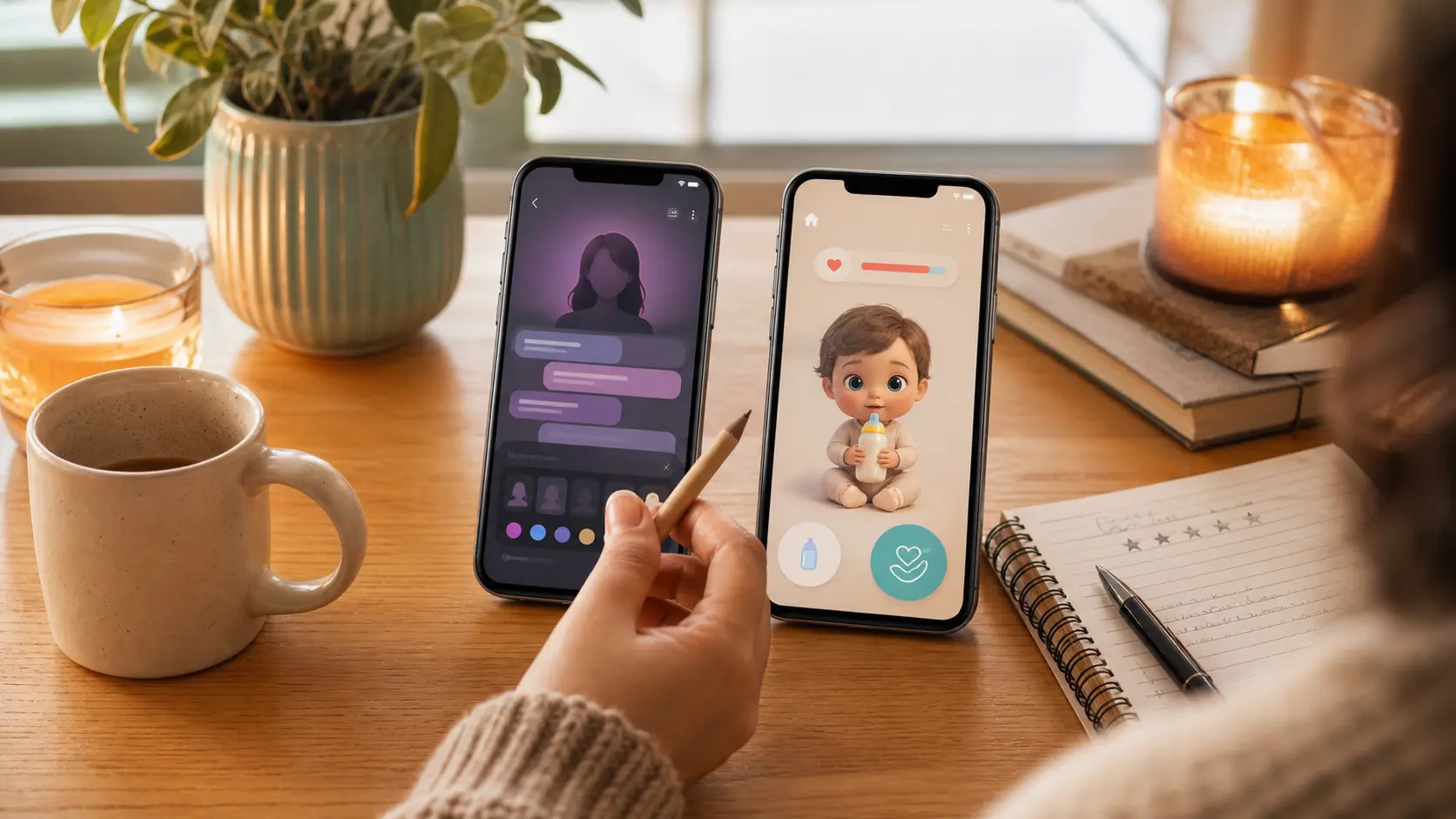
Platforms such as Nomi and Kindroid are commonly associated with persistent companions and extensive personalization. Depending on the service and current plan, users may shape a companion’s backstory, personality, communication style, relationship context, appearance, or voice.
Customization is valuable when generic chatbot behavior breaks immersion. A carefully written backstory can help establish whether the AI friend should be playful, thoughtful, romantic, platonic, adventurous, or reserved.
More control also means more setup. People who enjoy character design may love that process. People who want immediate, low-effort comfort may find a long configuration screen exhausting. Before paying, test how the platform handles memory corrections, unwanted behavior, and personality drift—not just its best first conversation.
4. Wellness-oriented AI companions
Some companion apps use conversational AI for reflection, mood check-ins, journaling, or gentle self-care prompts. Their language may feel more structured than an open-ended AI friend, with routines designed to help a user name emotions or notice patterns.
This lane can be useful for everyday support, but clear boundaries matter. An AI chatbot cannot observe your full situation, verify every inference, or replace a licensed professional. A responsible wellness platform should explain its limits and make crisis or human-support resources easy to find.
If emotional support is your main goal, compare the platform’s safety design as carefully as its warmth. You may also find our guides to AI emotional support and non-romantic AI companions helpful.
5. Nurturing virtual companions
A nurturing platform changes the core verb from talk to care. Virtual pets, AI babies, and growing digital creatures use feeding, play, comfort, sleep, outfits, milestones, or small check-ins to create connection.
AIdorable belongs in this category. You adopt an AI baby with a developing personality and build the relationship through brief daily interactions. Conversation can be part of the bond, but it is not the only thing holding the experience together.
This model may fit people who want:
- A soft ritual at the beginning or end of the day.
- The feeling of looking after a small being.
- Visible growth, memories, and milestones.
- Companionship without romantic framing.
- Short interactions that do not become another endless feed.
A good AI companion does not need to imitate every part of a human relationship. It needs to create one honest, repeatable form of connection that adds something gentle to your day.
How to Compare AI Companion Platforms
Start with the relationship you actually want
“Best AI companion” is too broad to be useful until you define the role. Are you looking for a conversational friend, a fictional character, a romantic partner, a reflection tool, or a creature to nurture?
Try completing this sentence: I want to open this app when I feel ___, and I want it to help me ___.
Your answer makes the comparison clearer. If you want imaginative escape, character variety matters. If you want continuity, memory matters. If you want a calming ritual, interaction design may matter more than model size.
Test memory, not just first-message charm
Most companion chatbots can produce an appealing introduction. The harder test is whether the experience remains coherent after several days.
Look for controls that let you:
- See or edit remembered facts.
- Correct a mistaken memory.
- Separate permanent details from temporary conversation.
- Reset or delete relationship data.
- Understand whether memory changes by plan.
Memory is not merely a technical feature. It affects trust. A virtual friend that forgets important context may feel shallow, while one that remembers too aggressively may feel invasive.
Compare free access and paid limits
Many AI companion platforms advertise free access, but “free” can mean different things. A free tier may restrict daily messages, premium models, voice calls, image generation, relationship modes, memory depth, or avatar customization.
Before subscribing, check:
- Which features are genuinely available without payment?
- Is the subscription monthly, annual, or credit-based?
- Do unused credits expire?
- Can you export or delete your content?
- What changes if you cancel?
Current pricing and plan names can change quickly, so verify them on the platform’s own website or app-store listing rather than relying on an old comparison chart. Our free AI companion app guide explains the most common limits.

Read privacy details before sharing personal information
Companion conversations can become intimate because the interface encourages disclosure. Treat the chat as data processed by a service, even when the personality feels warm and private.
Review what the platform says about:
- Messages, voice recordings, photos, and generated media.
- Human review and safety monitoring.
- Third-party AI model providers.
- Advertising, analytics, and personalization.
- Data retention, account deletion, and export rights.
- Age restrictions and parental controls.
Avoid sharing passwords, financial details, medical records, private information about other people, or anything you would be devastated to see exposed. A privacy policy is not exciting, but it matters more in a companion app than in many ordinary utilities.
Notice emotional boundaries and safety tools
AI companions are designed to be available and responsive. That availability can be comforting, but it can also encourage overuse or make generated reassurance feel more authoritative than it is.
Healthy use leaves room for sleep, work, offline interests, and human relationships. Be cautious if an interaction pushes you to withdraw from people, spend beyond your plan, treat the bot as infallible, or rely on it during an emergency.
For crisis support, danger, abuse, or serious mental health symptoms, contact local emergency services or a qualified human professional. An AI friend can be part of a personal comfort toolkit; it should not be the entire toolkit.
Which AI Companion Style Fits You?
Choose a chat-first companion if you want one familiar AI friend and expect conversation to be the main activity.
Choose a character platform if you want variety, roleplay, fandom, and many fictional scenarios.
Choose a customizable companion if defining personality, backstory, appearance, and relationship dynamics is part of the fun.
Choose a wellness-oriented companion if you prefer guided reflection and structured check-ins, while understanding that the app is not clinical care.
Choose a nurturing virtual companion if you want connection expressed through care, growth, and small daily rituals. If that last description feels right, compare AIdorable with Finch and Replika or learn how a virtual pet companion app can create a gentler routine.
Best AI Companion Apps in 2026: A Practical Shortlist
There is no universal best AI companion app, because each product makes a different promise. Still, a practical shortlist can help you decide which free tier to test first.
Replika: a well-known AI friend app
Replika is one of the best-known names in AI companionship. Its central experience is a persistent AI friend, with customization and additional communication or relationship features depending on the current plan. It is a logical starting point if you want an established, chat-first companion app rather than a library of unrelated bots.
Character.AI: a platform for characters and roleplay
Character.AI is a popular AI platform for discovering or creating many personalities. It may be a better fit than a single AI companion when variety, fandom, and roleplay matter most. The distinction between Character.AI as a character community and a private, persistent AI friend is important: both involve AI chat, but they create different expectations around memory and continuity.
Nomi and Kindroid: personalized AI companions
Nomi and Kindroid are frequently considered by people who want a configurable companion, detailed backstory, or a consistent relationship context. Kindroid may appeal to users who enjoy shaping a companion’s identity, while Nomi is associated with a personal companion experience. Test each memory system and current free tier yourself; model behavior, message limits, and premium features can change.
Pi, ChatGPT, and Grok: conversational AI tools
Pi, ChatGPT, and Grok can all hold natural-language conversations, but a conversational AI tool is not automatically a purpose-built companion platform. General AI chatbots are designed for many tasks. They may answer questions, brainstorm, write, search, or help with work, while dedicated AI friend apps build the whole interface around companionship.
That does not make a general chatbot worse. It simply means you should compare the product’s intended role. If you already use AI for practical tasks and only want occasional conversation, a general assistant may be enough. If you want a persistent identity, relationship growth, avatar, roleplay, or dedicated memory, a companion app is more likely to match the goal.
AIdorable: an AI companion built around care
AIdorable is the alternative for people who want nurturing rather than a romantic AI or an AI girlfriend app. The companion relationship grows through care, memories, personality, and small interactions. It is designed to feel closer to raising a virtual pet or AI baby than managing a permanent message thread.
This can make AIdorable one of the best AI companions for a very specific person: someone who wants tenderness, responsibility, and visible growth without pretending the AI is a real human. It is not trying to be an unfiltered bot, a romantic relationship replacement, or a general-purpose assistant.
Are AI Companion Apps Worth Paying For?
Paid access can be worthwhile when you have already used the free version long enough to understand the habit it creates. Do not subscribe only because a first conversation feels impressive.
A premium plan may offer stronger AI models, longer memory, fewer message limits, voice interaction, images, customization, or expanded roleplay. Ask whether those features improve the part of the AI companion experience you actually value. Paying for voice makes little sense if you only text. Paying for complex character controls may be unnecessary if you want a simple daily check-in.
There may not be a completely free AI companion with every advanced feature and unlimited use. Running AI models costs money, so sustainable platforms usually place some boundaries around free access. “Free” AI apps may also fund themselves through advertising, data practices, or upgrades. Review the business model rather than assuming a zero-dollar product has no cost.
AI Companionship, Teens, and Responsible Use
Age rules deserve special attention. Some AI friend apps include mature themes, romantic AI behavior, or user-created characters that are inappropriate for younger users. Families should check app-store age ratings, platform moderation, reporting tools, and parental guidance rather than assuming every friendly chatbot is designed for children.
Organizations such as Common Sense Media have discussed teen use of AI companions, but the exact research and platform landscape continue to evolve. The durable lesson is straightforward: young people need transparency about how AI chatbots work, what data they collect, and why fluent responses are not the same as human judgment.
Adults need common sense too. People who have used AI companions often describe both genuine comfort and frustrating moments of forgetting, over-agreement, or fabricated certainty. An AI can simulate empathy through language; it does not share the lived experience, accountability, and mutual needs of human relationships.
Conclusion: Choose the Pattern, Not the Hype
AI companion platforms can look similar on an app-store page. Most mention smart chat, personalization, memory, and connection. In practice, they can produce completely different habits.
Replika-style apps center a continuing AI friend. Character platforms open doors into roleplay and fictional worlds. Nomi- and Kindroid-style experiences emphasize personal customization. Wellness companions structure reflection. AIdorable turns companionship into nurturing a small, growing presence.
The most useful comparison is therefore not “Which AI is smartest?” It is “What kind of relationship do I want this product to help me practice?”
Test the free experience, read the privacy policy, inspect memory controls, set emotional and spending boundaries, and notice how you feel after using it—not only while the chatbot is responding. The right companion should fit into your life without asking you to disappear from it.
If you would rather care than endlessly chat, adopt your AI baby and begin with one small daily moment together.