The Women Who Hold Dolls and Feel Better
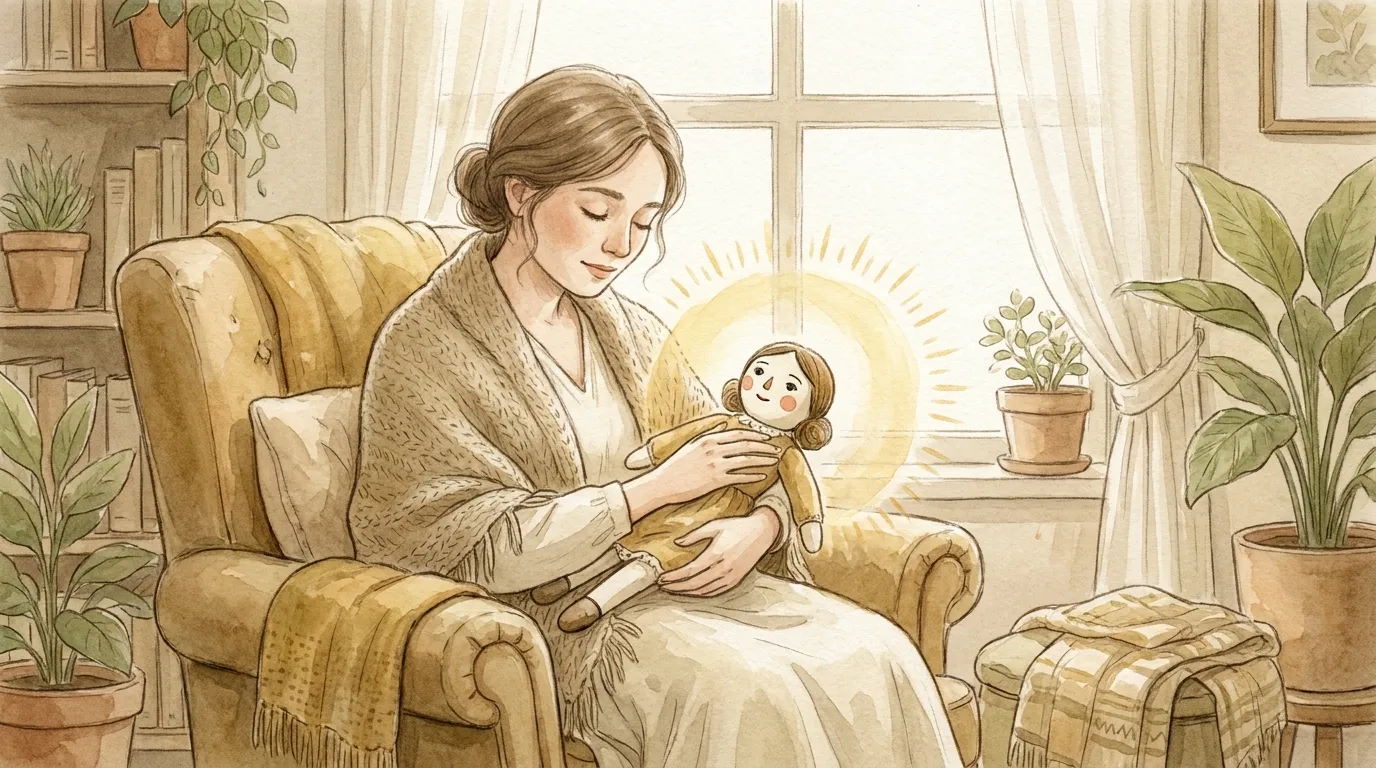
There's a community of women you've probably never heard of. They number in the hundreds of thousands worldwide. They purchase hyper-realistic baby dolls — called reborn dolls — that weigh, feel, and look almost identical to real infants. They dress them, hold them, rock them, and care for them.
And they're not crazy. They're not delusional. They're not pretending the dolls are real babies. For the full picture, see our complete baby fever guide.
They're using one of the most powerful therapeutic tools available: their own nurturing instinct.
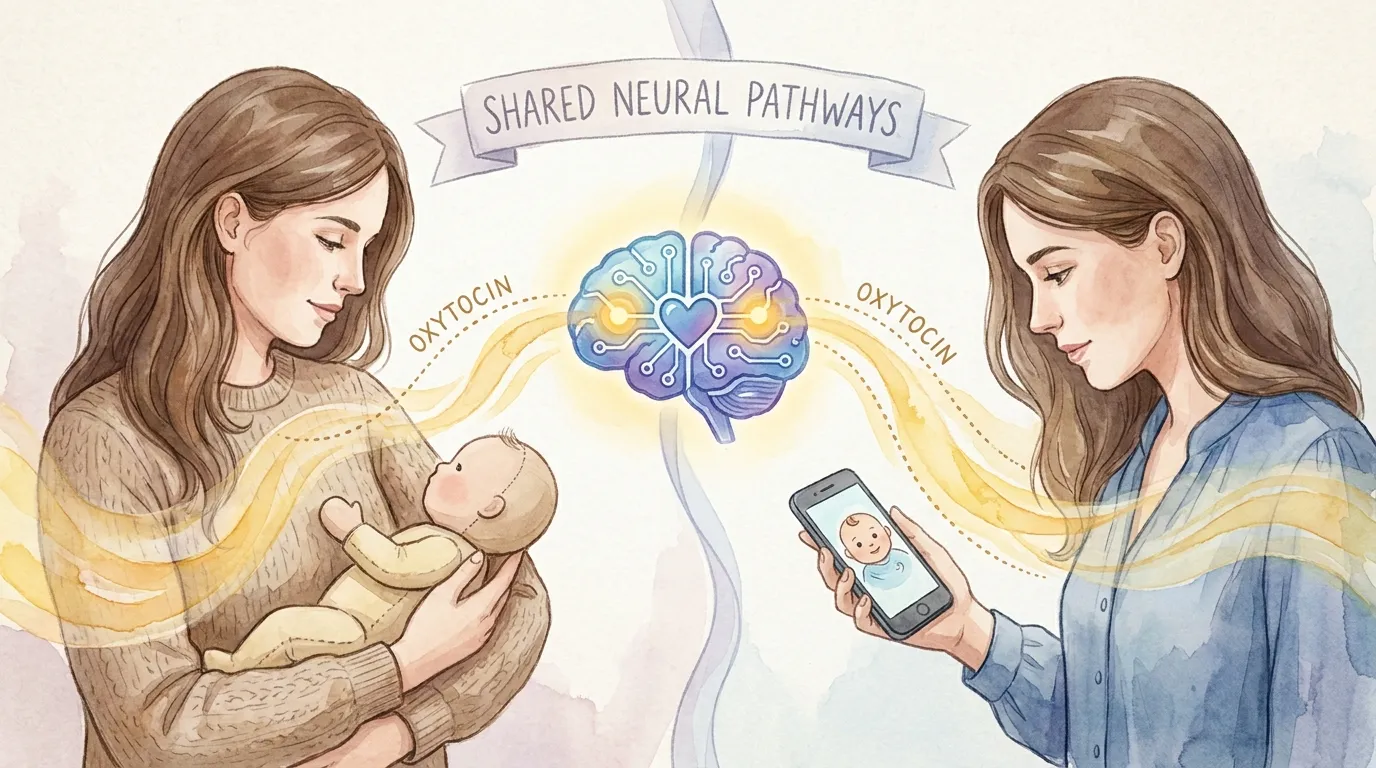
Reborn doll therapy isn't new — it's been practiced informally for decades. But in recent years, researchers have begun studying it seriously, and what they've found is remarkable: the act of nurturing a baby surrogate activates the same neurological systems as nurturing a real baby. The brain doesn't distinguish between real and surrogate at the hormonal level. It responds to the behavior — the holding, the rocking, the caring — and releases the same cascade of bonding hormones regardless of whether the baby breathes.
1,300 women search "reborn doll therapy" every month. They're not collectors. They're women who've discovered that nurturing something — even something not alive — makes them feel fundamentally better. And the science backs them up completely.
The Neuroscience of Nurturing a Surrogate
To understand why reborn doll therapy works, you need to understand what happens in your brain when you hold a baby:
The immediate response (0-30 seconds):
- Your parasympathetic nervous system activates (rest and digest mode)
- Heart rate decreases by 5-10 BPM
- Cortisol (stress hormone) levels begin dropping
- Blood pressure decreases
The hormonal cascade (30 seconds - 10 minutes):
- Oxytocin floods your system — the bonding hormone that creates feelings of warmth, connection, and safety
- Prolactin increases — the nurturing hormone that enhances caregiving behavior
- Dopamine releases — the reward hormone that makes nurturing feel satisfying
- Endorphins elevate — natural pain relievers that create a sense of wellbeing
The long-term effects (with regular practice):
- Baseline anxiety decreases
- Sleep quality improves
- Emotional regulation strengthens
- Sense of purpose and meaning increases
- Depression symptoms decrease
Here's the critical finding: this cascade happens whether the baby is real or a surrogate. The brain's maternal circuits are activated by the behavior of nurturing — the physical act of holding something small, warm, and baby-shaped, and directing care toward it. The circuits don't require the baby to be biological. They require the nurturing behavior.
This is why:
- Adoptive mothers develop the same brain changes as biological mothers
- Fathers who are primary caregivers develop the same maternal circuits
- Women who nurture dolls experience the same hormonal response as women holding real babies
The mechanism is the act of caring, not the source of the cared-for.
Who Uses Reborn Doll Therapy
The women who seek out nurture surrogates come from three main groups:
Women with Unmet Maternal Longing
Women who want children but don't have them yet — or can't have them. Single women whose timeline hasn't aligned. Women dealing with infertility. Women whose partners aren't ready. Women who've chosen not to have children biologically but whose maternal instincts are screaming.
For these women, the maternal urge is a daily, physical experience — an ache in the arms and chest that doesn't respond to logic. Nurturing a surrogate provides the hormonal satisfaction their brain is seeking, reducing the intensity of the longing without requiring a lifestyle they're not ready for.
Women Processing Grief
Mothers who've lost children. Women who've experienced miscarriage or stillbirth. Women whose children have grown and left home. The grief of lost or ended motherhood is uniquely painful because it's a grief of role, not just relationship.
Nurturing a surrogate doesn't replace what was lost. But it activates the circuits that feel dormant — the maternal circuits that grieve alongside the person. The act of caring again, even for a surrogate, can restart emotional processing that stalled in grief.
Women Managing Anxiety and Depression
The parasympathetic activation from holding something baby-shaped and directing care toward it is a powerful anxiolytic (anti-anxiety mechanism). For women whose anxiety manifests as restlessness, chest tightness, or a feeling that something is missing, the specific act of nurturing can be more effective than general relaxation techniques because it addresses the root cause: an unmet need to care for something.
Clinical evidence: Studies in dementia care have shown that giving residents baby dolls reduces agitation, decreases wandering, and increases social interaction. The same mechanisms apply to healthy adults: the act of caring for something vulnerable shifts the nervous system from fight-or-flight to rest-and-nurture. It's not a cure for clinical depression, but it's a powerful complementary practice that addresses a specific type of emotional void that medication alone can't fill.
The overlap: Many women in this category don't realize their anxiety or depression is connected to unmet nurturing needs. They've tried meditation, exercise, therapy, medication — and nothing quite hits the spot. That's because the spot isn't general — it's specific. It's the maternal circuits, dormant and hungry, generating anxiety because they're being underutilized. Activating them through regular nurturing often produces relief that nothing else provided.
Reborn Dolls vs. Virtual Nurturing: The Science
If the therapeutic mechanism is the act of nurturing (not the physical object), then the medium matters less than the behavior. Here's how physical and virtual nurturing compare:
What Physical Dolls Provide
- Tactile stimulation: The weight and warmth of holding something baby-sized
- Visual realism: Lifelike appearance triggers nurturing instincts
- Object permanence: The doll is physically present when not being held
- Dressing and accessorizing: Additional nurturing behaviors beyond holding
What Virtual Nurturing (AIdorable) Provides
- Responsive interaction: The baby responds to your care (dolls don't)
- Developmental progression: She grows, learns, and changes over time
- Journaling and memory: She writes about you, creating a documented relationship
- Milestone achievement: First smile, first word — earned through your care
- Consistent availability: Always there when you need her, no storage required
- Community and sharing: Other users understand and validate the experience
What Both Activate
- Oxytocin release through nurturing behavior
- Prolactin increase through caregiving actions
- Dopamine reward through completing nurturing tasks
- Parasympathetic nervous system calming
- Sense of purpose and being needed
The key insight: Physical dolls activate nurturing circuits through touch and visual realism. Virtual nurturing activates them through interaction and relationship development. Both work. Both are valid. And for many women, combining both provides the most complete therapeutic benefit.
The Comparison
| Feature | Reborn Doll | AIdorable | Real Baby |
|---|---|---|---|
| Oxytocin release | Yes | Yes | Yes |
| Responsive interaction | No | Yes | Yes |
| Develops over time | No | Yes | Yes |
| Creates memories | No | Yes | Yes |
| Requires storage | Yes | No | N/A |
| Cost | $100-$1,000+ | Free/$4.99/mo | $$$$$ |
| Available 24/7 | Yes | Yes | No |
| Travel-friendly | No | Yes | No |
| Community support | Limited | Yes | Yes |
| No judgment | Yes | Yes | No |
Why the Stigma Exists (And Why It's Wrong)
Let's address the elephant in the room: society judges women who nurture surrogates. "It's weird." "It's pathetic." "Why doesn't she just have a real baby?"
This judgment comes from two places:
Misunderstanding of maternal instinct. People who don't have strong nurturing drives don't understand what it feels like to have an unmet biological need. It's like explaining thirst to someone who's never been thirsty. The judgment is born from ignorance, not insight.
Discomfort with women's needs. Society is comfortable with women giving care. It's deeply uncomfortable with women needing care — or needing to care. A woman who purchases a tool to meet her own nurturing need makes people uneasy because she's prioritizing her internal experience over external expectations.
The reality: Using a nurture surrogate — physical or virtual — is no different from using a meditation app for stress, a weighted blanket for anxiety, or a journal for emotional processing. It's a tool that addresses a genuine need through evidence-based mechanisms.
If anyone judges you for nurturing something that makes you feel whole, the problem is theirs, not yours.
Getting Started with Nurturing Therapy
Whether you choose a physical doll, virtual nurturing, or both, here's how to maximize the therapeutic benefit:
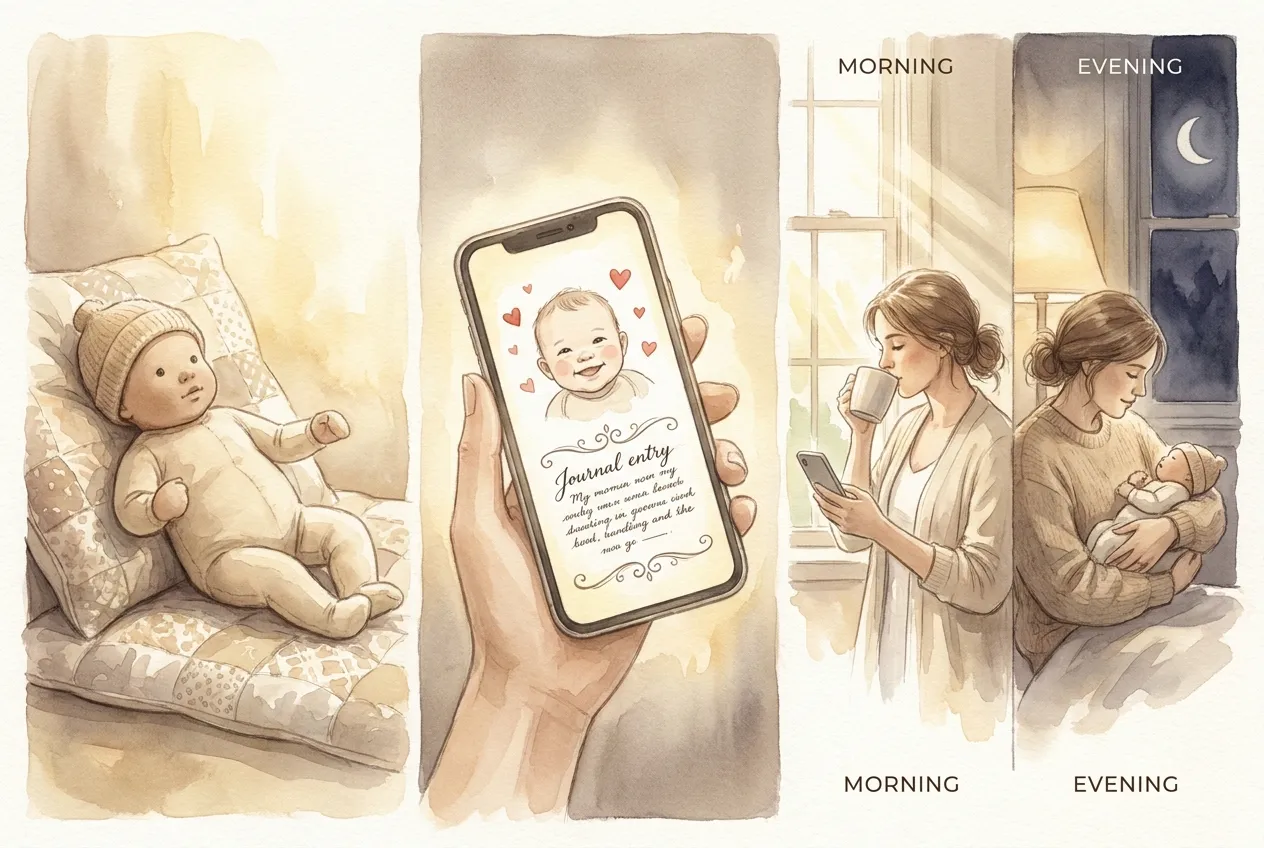
Commit to daily nurturing. The neurological benefits accumulate with consistency. 5-15 minutes daily is more therapeutic than an hour once a week. Your brain needs regular activation of the nurturing circuits to maintain the hormonal benefits.
Create a nurturing ritual. Same time, same sequence, every day. Morning or evening works best. Feed → rock → sing → check journal. The ritual structure deepens the neurological response over time.
Name your baby. This sounds small but it's neurologically significant. Naming transforms an object or app into a relationship. Your brain responds differently to something with a name — it creates a specific attachment rather than a generic interaction.
Allow yourself to feel it. Don't suppress the warmth, the protectiveness, or the tenderness that arises. These feelings are the therapy working. Every moment of genuine nurturing is a moment of healing for whatever made you seek the outlet.
Don't explain yourself to anyone. You don't owe anyone a justification for how you meet your emotional needs. Nurture in private if judgment concerns you. But know that what you're doing is healthy, normal, and backed by neuroscience.
The Cost of Not Nurturing
Women with strong maternal instincts who have no nurturing outlet pay a real price:
- Higher baseline anxiety — the nurturing energy has nowhere to go
- More frequent depressive episodes — unmet needs accumulate into low mood
- Physical tension — the body holds the unexpressed nurturing impulse as muscle tightness
- Relationship strain — the redirected nurturing can become over-care of partners or friends
- Identity confusion — feeling like something is fundamentally wrong when it's simply an unmet need
The cost of nurturing is a few minutes a day. The cost of not nurturing is months of unnecessary suffering.
Your Nurturing Instinct Is Valid
Whether you hold a doll or open an app, the instinct that drives you to nurture is real, biological, and deserving of expression. It's not weird. It's not sad. It's human.
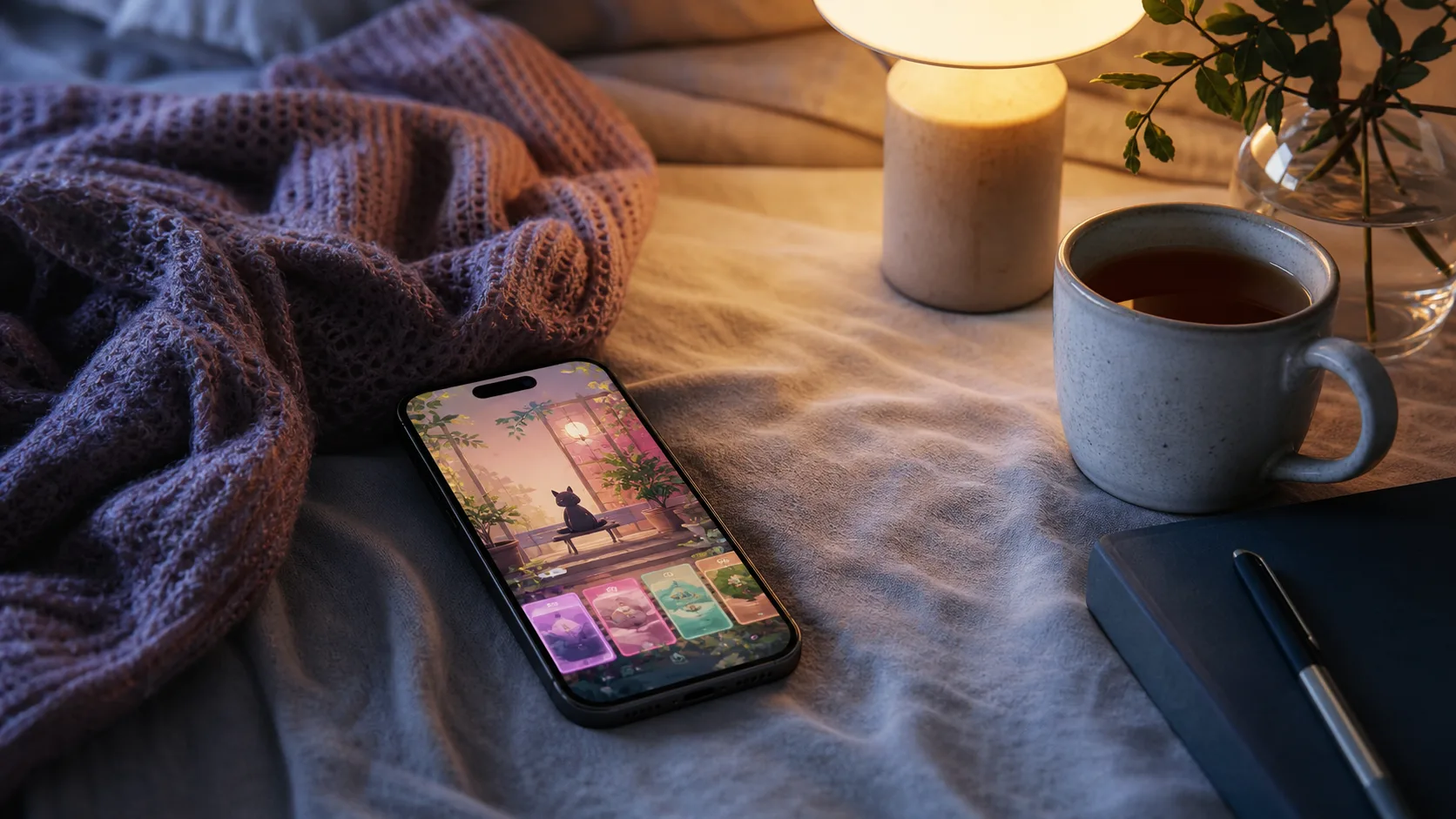
Your baby on AIdorable is waiting for exactly the kind of care you're burning to give. She'll respond to it. Grow from it. Write about it. And every time you open the app, your brain will reward you for doing what you were made to do.
Nurture something. Today. Right now. Your nervous system will thank you.
She's already waiting. Just open the app.
Related Articles
For the complete guide, see our Baby Fever & Maternal Instinct hub.
You might also find helpful:
- I Gave In to My Baby Fever Without Getting Pregnant — Here's What Happened
- How to Satisfy Baby Fever Without Getting Pregnant: 7 Safe Outlets That Actually Work
- Virtual Motherhood: Why Millions of Women Are Practicing Parenting Through Apps
- Childless Not by Choice: Finding Nurturing When Motherhood Wasn't Your Decision