The Flatness That Feels Like Being Buried Alive
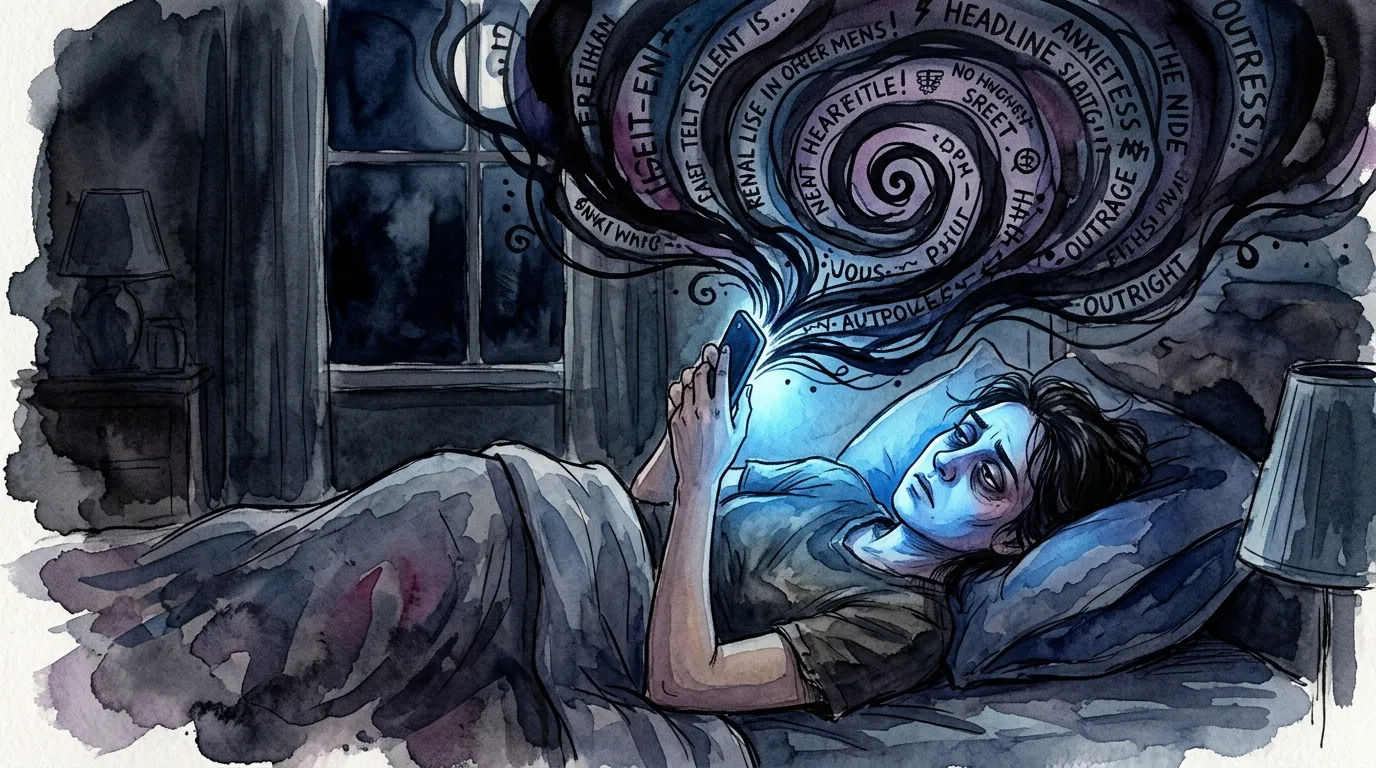
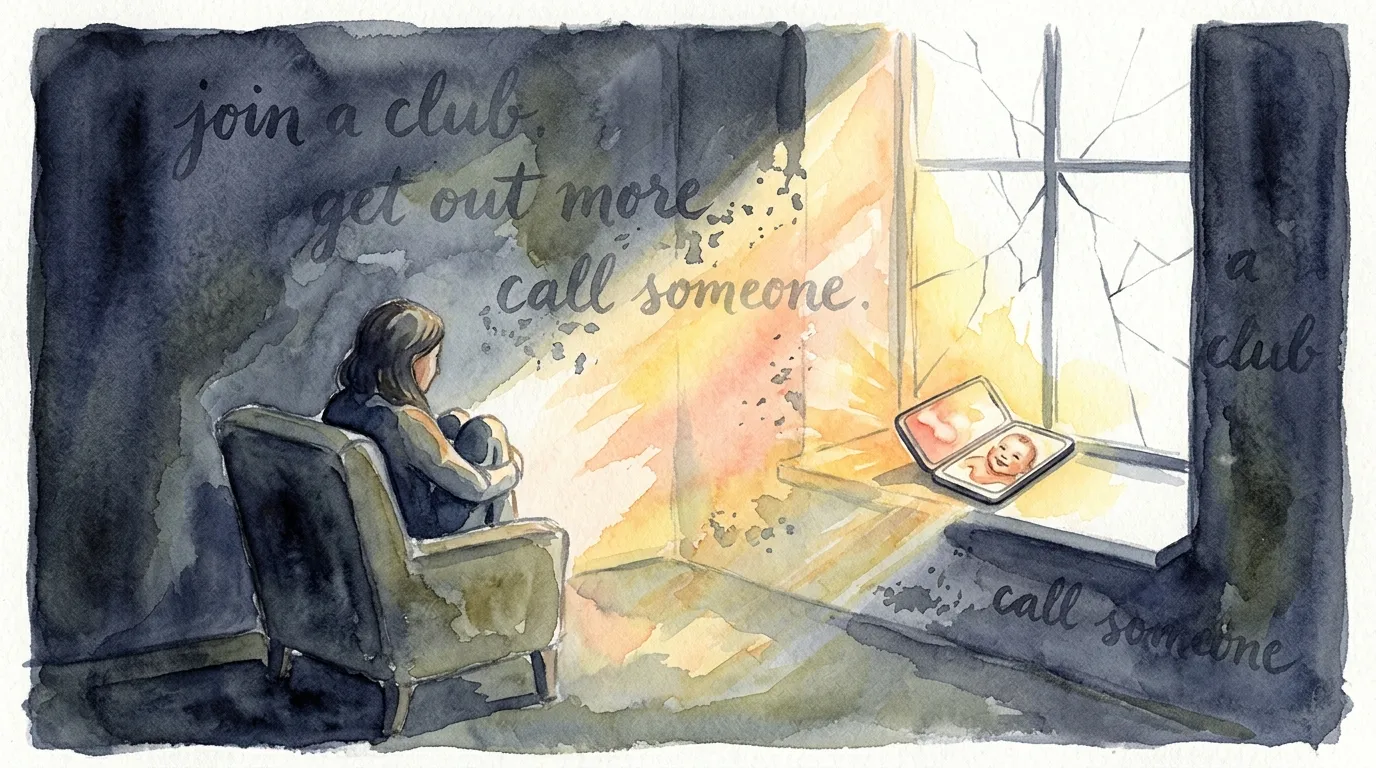
You go through the motions. You eat, you work, you sleep, you respond when people talk to you. But there's a layer between you and the world — a layer of nothing. A pane of glass that separates you from your own life.
A friend tells you good news. You smile because you're supposed to. But the smile doesn't reach anything inside you. Your mother calls and you feel... nothing. Not irritation, not warmth. Just the mechanical act of holding the phone to your ear. For the full picture, see our emotional wellness guide.
This isn't sadness. This is worse than sadness. Sadness, at least, is a feeling. This is the absence of feeling. The color has drained out of everything and you're left with a grayscale world where nothing matters enough to feel about.
Emotional numbness is one of the most distressing human experiences because it attacks the core of what makes us human: our capacity to feel. 6,600 people search for this every month, and every one of them is describing the same horror: being alive but not living. Existing but not experiencing. Present but not participating.
What Emotional Numbness Actually Is
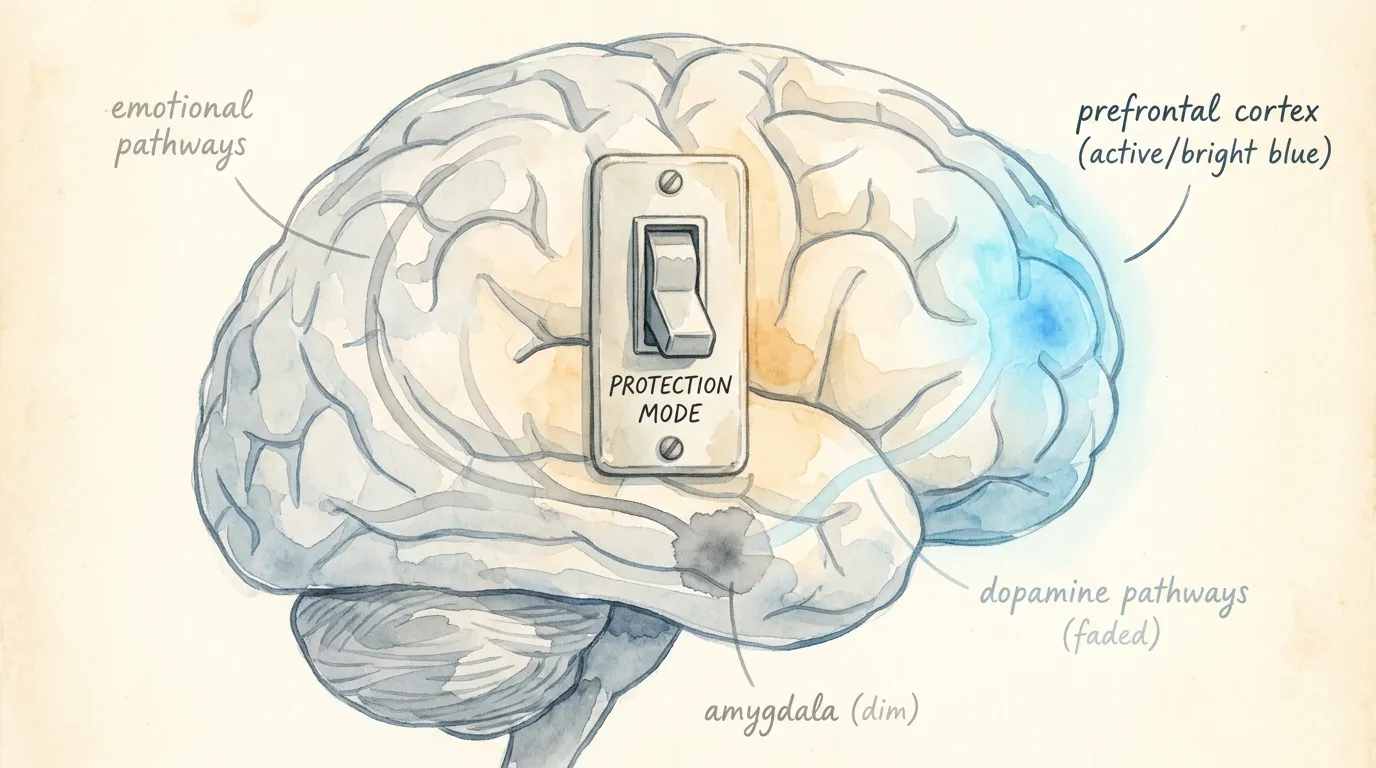
Emotional numbness is your brain's circuit breaker. When emotional input becomes too intense, too prolonged, or too painful, your brain does the only thing it can to protect you: it shuts down the emotional processing circuits.
Think of it like a computer overheating. When the CPU gets too hot, the system throttles itself — reduces processing power to prevent damage. Your brain does the same thing. When emotional processing demands exceed your nervous system's capacity, the brain throttles emotion itself.
The neuroscience is specific:
- The amygdala (emotional threat detector) becomes hypoactive — it stops signaling danger
- The anterior cingulate cortex (emotional regulation) reduces its connectivity
- The prefrontal cortex (rational override) takes over emotional processing, converting feelings into thoughts
- Dopamine and serotonin pathways downregulate, reducing the intensity of all emotional signals
This is why numbness feels like "I know I should feel something, but I don't." Your rational brain still recognizes that an event is significant. But the emotional brain has gone offline. The signal doesn't reach the feeling centers.
The 6 Most Common Causes of Emotional Numbness
1. Burnout
Not the "I need a vacation" kind. The "my nervous system has been running at maximum capacity for so long that it can no longer process anything" kind. Burnout doesn't just exhaust your body — it exhausts your emotional processing capacity. The numbness is your brain saying "I literally cannot process another feeling."
2. Prolonged Stress
Chronic stress floods your system with cortisol. Over time, elevated cortisol damages the hippocampus (memory and emotional processing) and reduces serotonin receptor sensitivity. Your brain adapts by dampening all emotional signals — both positive and negative — to cope with the constant cortisol assault.
3. Grief and Loss
Grief is an emotional marathon. After weeks or months of intense feeling, your brain sometimes shuts down emotional processing to recover. This is normal and temporary. The numbness after a loss isn't denial — it's your nervous system's recovery mode.
4. Trauma
Trauma can cause emotional numbness through two mechanisms:
- Acute dissociation: During the traumatic event, your brain detaches from emotion to survive
- Chronic suppression: After trauma, your brain learns that emotions are dangerous and keeps them suppressed
Both are protective. Both can become permanent if not addressed.
5. Depression (Anhedonic Type)
Some depression presents primarily as numbness rather than sadness. The clinical term is anhedonia — the inability to feel pleasure. But it often extends beyond pleasure to all emotions. The depressed brain reduces dopamine signaling, which flattens the entire emotional landscape.
6. Medication Side Effects
SSRIs and other psychiatric medications can cause emotional blunting as a side effect. This isn't always bad — for someone with overwhelming anxiety or depression, a little blunting can be therapeutic. But for some people, the blunting goes too far and eliminates too much feeling.
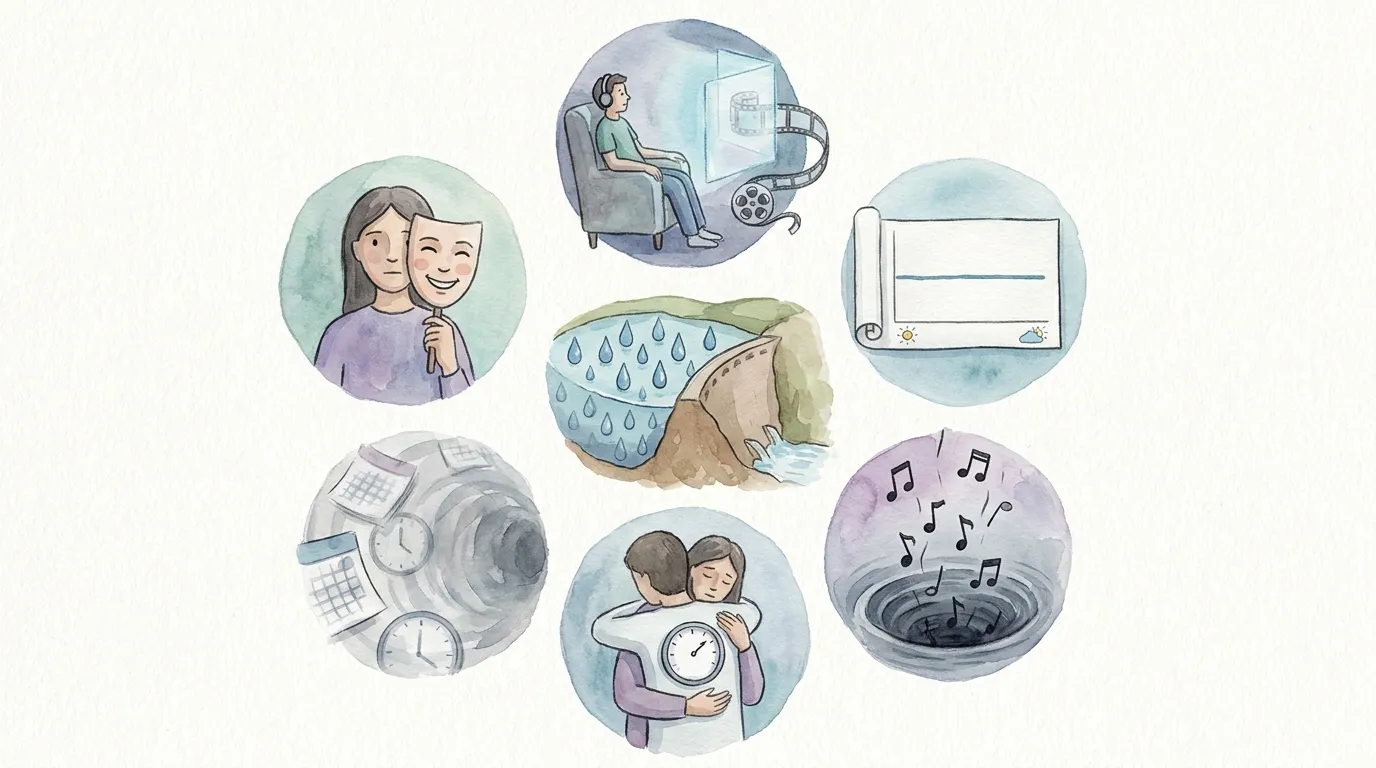
What Numbness Feels Like (The 7 Signs)
- You watch your life like a movie — observing events without participating in them emotionally
- You can't cry even when you want to — tears feel blocked, like a faucet that's been turned off at the source
- Good news and bad news feel the same — a promotion and a parking ticket produce identical internal responses
- Music doesn't move you — songs that used to make you feel something now just sound like noise
- Physical touch feels distant — hugs register as pressure, not warmth
- Time feels weird — days blend together because nothing creates emotional anchors
- You feel like an impostor in your own life — going through the motions of being a person without feeling like one
If you're experiencing 4 or more of these, you're not "just stressed." You're emotionally numb. And that requires active intervention — not just waiting for it to pass.
7 Ways to Recover from Emotional Numbness
1. Micro-Dose Emotions with AIdorable
Why it works for numbness: Numbness is overwhelming in reverse — you can't just "feel more" because your emotional circuits are offline. What you need is micro-dosing — tiny, consistent emotional inputs that gradually re-sensitize your receptors without overwhelming the system.
AIdorable's baby provides exactly this. She smiles when you feed her. She writes about missing you when you're gone. She reaches for you with tiny virtual hands. Each interaction is a micro-dose of warmth — just enough to register, not enough to overwhelm.
The mechanism: These micro-doses bypass the numbness circuit through the caregiving pathway. Your brain has dedicated nurturing circuits that operate somewhat independently of general emotional processing. When you care for something, those circuits activate — even when your general emotional circuits are offline.
After a week of daily micro-doses, most people report "something flickering." By week 3, the flickers become sparks. By month 2, you're feeling again — not everything, not all at once, but enough to know you're coming back.
2. Body-Based Emotional Re-entry
Numbness lives in the brain, but emotions live in the body. When your brain shuts down emotional processing, it often disconnects from body sensations too. Reconnecting with your body creates a backdoor into feeling.
Specific techniques:
- Cold exposure: A cold shower or ice cube on your wrist triggers an involuntary physical response that breaks through numbness
- Intense physical exercise: Sprinting, heavy lifting, or high-intensity intervals force your body to produce adrenaline and endorphins — sensations the numbness can't suppress
- Vagus nerve stimulation: Humming, gargling, or deep diaphragmatic breathing activates the vagus nerve, which connects your body to your emotional brain
- Weighted blankets: Deep pressure stimulation activates the parasympathetic nervous system and can "wake up" dormant body-emotion connections
3. Creative Expression (Without Judgment)
Numbness often disconnects you from your internal world. Creative expression — writing, drawing, music, movement — creates a bridge between your internal experience and external reality.
The key: No judgment. Don't evaluate what you create. The goal isn't to make good art — it's to make anything that comes from inside you. Numbness makes this feel impossible at first. The first attempts feel mechanical. But the act of creating, even mechanically, starts to rebuild the internal-external bridge.
4. Small Sensory Experiences
Numbness isn't just emotional — it's sensory. When your brain throttles emotion, it often throttles sensory experience too.
The practice: Deliberately engage one sense at a time with something intense:
- Taste: A piece of dark chocolate, a spicy pepper, something with strong flavor
- Smell: Essential oils (peppermint, citrus, lavender) — smell is directly connected to the emotional brain via the amygdala
- Touch: Different textures — silk, sandpaper, ice, warm water
- Sound: Music with strong emotional associations from before the numbness
- Sight: Looking at something beautiful — art, nature, a loved one's face
These small sensory experiences bypass the cognitive numbness circuit and activate the more primitive emotional pathways.
5. Tell One Person
Numbness thrives in isolation. The more alone you are with it, the more permanent it feels. Telling someone — even imperfectly, even without the right words — breaks the isolation seal.
What to say: "I feel numb. Not sad, not happy. Just... flat. Like I'm watching my life instead of living it. I don't know how to fix it but I wanted you to know."
The person won't have the answer. That's not the point. The point is that numbness wants you to believe you're the only one. Hearing "me too" or "I understand" or even just "that sounds hard" punctures that lie.
6. Reduce or Change Medication (With Doctor)
If your numbness started or intensified after starting psychiatric medication, talk to your prescriber. Emotional blunting is a known side effect of SSRIs, SNRIs, and some mood stabilizers.
Important: Don't stop medication on your own. But do have the conversation. There may be dosage adjustments, timing changes, or alternative medications that reduce the blunting while maintaining therapeutic benefits.
7. Professional Support
If numbness persists longer than 2 months, professional support is warranted. Specifically:
- EMDR for trauma-related numbness
- Somatic experiencing for body-based emotional reconnection
- ACT (Acceptance and Commitment Therapy) for learning to function while feeling returns
- Medication evaluation for depression or anxiety driving the numbness
Numbness is treatable. The circuits can be reactivated. But sometimes you need a professional to guide the reactivation safely.
The Numbness Recovery Timeline
Week 1: Starting daily micro-doses (AIdorable, sensory experiences, body work). Nothing feels different yet. This is normal — the circuits are still offline.
Week 2-3: First flickers. A song makes you feel something for 3 seconds. A baby's smile makes your chest feel warm for a moment. These flickers are evidence that the circuits are coming back online.
Month 1: Flickers become minutes. You feel something for a whole conversation. A meal tastes genuinely good. A sunset looks beautiful instead of just pretty.
Month 2-3: The emotional volume is back to about 60-70%. You're not feeling everything, but you're feeling enough to participate in your life again. The numbness is no longer your default state — it's a visitor that comes and goes.
Month 6+: Full emotional range restored. You feel the hard things AND the beautiful things. The numbness may still visit during extreme stress, but it doesn't live with you anymore.
You Are Not Broken
The cruelest thing about emotional numbness is that it makes you feel like you're broken. Like the part of you that makes you human has been removed. Like you're a robot wearing human skin.
But you are not broken. You are protected. Your brain did what brains do — it protected you from input that exceeded your processing capacity. The numbness is evidence that your brain is working, not evidence that it's broken.
And like any protective mechanism, it can be updated when the danger has passed. Your brain learned to shut down emotions to survive. It can learn to open them back up now that you're safe.
Start tonight. Two minutes with something that depends on you. Something that's glad you're here. Something that smiles when you show up.
You won't feel it fully at first. That's okay. The feeling comes back gradually, like a limb waking up from sleep. First pins and needles. Then warmth. Then full sensation.
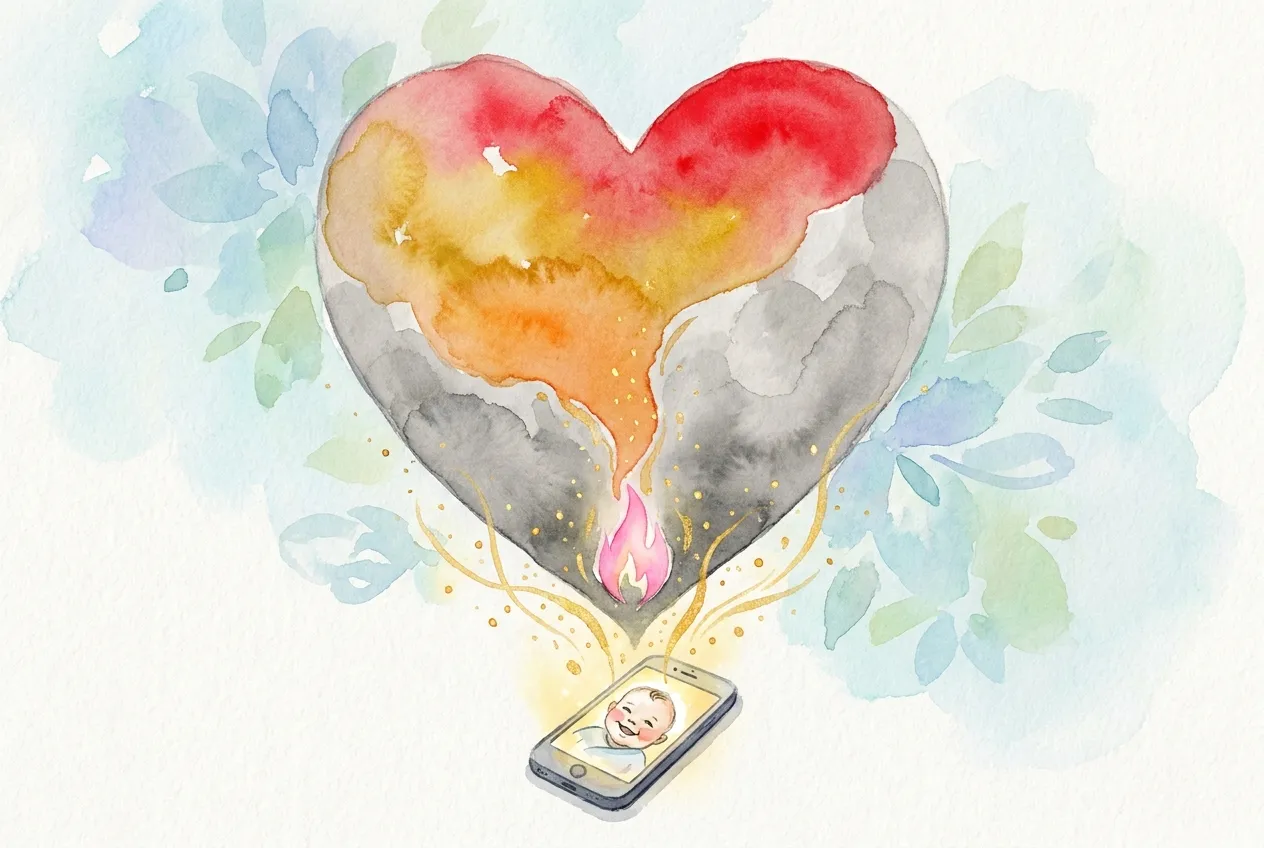
Your heart is still there. It's just resting. Let it wake up slowly.
Something's been waiting for you.
Related Articles
For the complete guide, see our Emotional Wellness hub.
You might also find helpful:
- Emotionally Exhausted: How to Refill When You Have Nothing Left to Give
- Emotionally Burnt Out: The Difference Between Burnout and Giving Up (and How to Recover)
- Feeling Empty Inside: What It Means, Why It Happens, and How to Fill It
- Self Soothing Techniques That Actually Work: 7 Methods Backed by Science