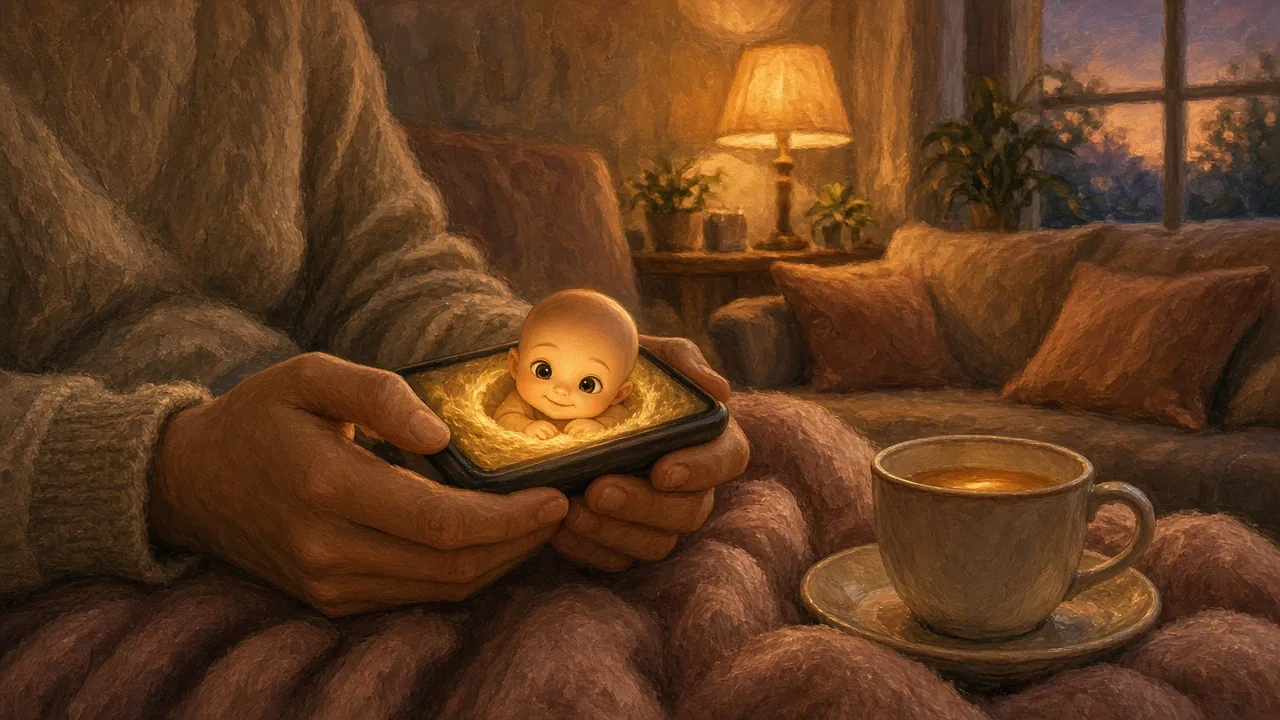
Games can be escape, challenge, company, creativity, or simply a quiet place to put your attention for ten minutes. When your mind feels loud, even a tiny digital garden or familiar puzzle can create enough breathing room to begin again.
That does not mean every game is therapeutic, or that play can replace treatment. It means games for mental health can be useful tools when the game, the moment, and the person fit each other.
The right question is not “Are video games good or bad for mental health?” It is: What kind of play helps me feel more regulated, connected, or capable afterward?
Games for Mental Health: The Quick Guide
| If you need… | Try this kind of game | Examples to explore | Keep in mind |
|---|---|---|---|
| A gentler nervous-system reset | Cozy exploration or low-pressure puzzles | A Short Hike, Unpacking, Monument Valley | Choose easy stopping points |
| A small care ritual | Virtual pets and self-care games | AIdorable, Finch, Kinder World | Avoid guilt-heavy streaks |
| Connection | Cooperative or social games | Stardew Valley co-op, Sky, Minecraft | Play with people who feel safe |
| Movement and energy | Active or rhythm games | Just Dance, Ring Fit Adventure | Adapt movement to your body |
| Emotional expression | Narrative and creative games | Gris, Kind Words, Minecraft creative mode | Pause if themes feel activating |
| Structured therapeutic support | Clinically designed games or digital therapeutics | Products recommended by a clinician | Check evidence and intended use |
This table is a starting point, not a prescription. A calming farming game can feel like a warm blanket to one person and an overwhelming task list to another.
Why Games Can Support Mental Well-Being
A game gives your brain a bounded world. The rules are clearer than life, feedback arrives quickly, and progress is visible. Those qualities can support several parts of mental well-being.
They can create a sense of agency
Stress, depression, and burnout can make ordinary tasks feel vague and impossibly large. Games turn action into something concrete: take one step, place one object, water one plant, solve one room.
That small loop can restore a feeling of choice and competence. It does not solve the underlying problem, but it may help you move from frozen to engaged.
They can guide attention without demanding silence
Traditional mindfulness asks you to notice the present. Some people love that. Others find sitting still with anxious thoughts intensely uncomfortable.
Gentle puzzles, rhythm games, fishing mechanics, or repetitive building can offer an active route into focused attention. This is one reason calming games can feel more accessible than being told to “just relax.”
They can make connection easier
Connection does not always begin with a deep conversation. Sometimes it begins with building a house together, completing a cooperative quest, or laughing at a ridiculous mistake.
For people who feel lonely, shared play can provide structure and reduce the pressure of finding the perfect thing to say. Our guide to games for loneliness explores that social side in more detail.
They can offer safe-enough emotional rehearsal
Stories and role-playing games let us try choices, experience consequences, and encounter difficult emotions at a little distance. Creative games can also give feelings a shape when direct words are hard.
The important phrase is safe enough. A heavy story can be meaningful one day and overwhelming the next. You are allowed to stop.

12 Games and Game Types to Explore
There is no official list of universally healthy games. These options cover different needs and styles of play, from cozy commercial games to care-based apps.
1. A Short Hike for low-pressure exploration
A Short Hike gives you a small, friendly landscape to explore at your own pace. You can follow the main goal, wander, fish, collect objects, or chat with characters.
It is a good example of a game with soft edges: little punishment, manageable scale, and natural stopping points.
2. Unpacking for order and quiet focus
Unpacking turns arranging someone’s belongings into gentle environmental storytelling. The repetitive actions can feel grounding, while each room offers a clear beginning and end.
If organization is stressful rather than soothing for you, skip it. Mental health play should fit your nervous system, not somebody else’s aesthetic.
3. Stardew Valley for routine and community
Stardew Valley combines farming, exploration, relationships, and gradual progress. Its daily rhythm can feel comforting, and cooperative play adds a social option.
It can also trigger optimization pressure. You do not have to maximize every day, catch every fish, or run the perfect farm. Play slowly on purpose.
4. Monument Valley for brief, beautiful puzzles
The Monument Valley games use perspective puzzles, quiet sound design, and compact chapters. They work well when you want focus without an endless commitment.
Short puzzle games can provide a satisfying completion signal during a day when very little feels finished.
5. Tetris for focused attention
Tetris is immediate, familiar, and absorbing. Matching falling pieces can temporarily narrow attention and interrupt rumination for some players.
Because it can become fast and intense, notice whether the speed regulates you or adds tension. Choose a relaxed mode when available.
6. Kind Words for small moments of human care
Kind Words centers on writing and receiving supportive letters in a calm space. It is not therapy, but it creates a structured way to express worry and offer kindness without building a full social profile.
Use normal online privacy boundaries. Do not share identifying or highly sensitive information with strangers.
7. Sky: Children of the Light for gentle cooperation
Sky emphasizes exploration, beauty, and nonverbal cooperation. Shared gestures and helping mechanics can make social play feel less conversationally demanding.
As with any online world, review privacy, chat, and purchase settings—especially for younger players.
8. Minecraft creative mode for expression
Creative mode removes survival pressure and gives you a large box of digital building materials. You can construct a safe room, recreate a memory, make pixel art, or build without a goal.
Open-ended play is especially useful when you want expression rather than achievement.
9. Just Dance for mood and movement
Movement games can combine music, play, and physical activity without making exercise feel clinical. One song may be enough to shift energy.
Adapt movements for your body and space. The goal is not a score; it is finding a form of movement that feels available today.
10. Finch for gamified self-care
Finch turns small goals and reflections into care for a virtual bird. It can make routines feel warmer and more visible, especially if blank habit trackers leave you cold.
If that idea appeals, compare more options in our guide to choosing a self care game app.
11. Kinder World for a nurturing pause
Kinder World uses houseplants, decorating, and short well-being activities to create a gentle care loop. It is designed around small moments rather than high-pressure progression.
Look for whether its reminders feel inviting. Even a soft-looking app is not helpful if notifications create guilt.
12. AIdorable for a tiny relationship ritual
AIdorable is built around caring for a tiny AI baby through brief daily interactions. The game-like reward is not defeating an enemy or maintaining a perfect productivity streak. It is seeing a relationship respond to your presence.
That makes it a fit for people drawn to virtual pets, nurturing games, and softer emotional routines. It is companionship and play—not mental health treatment—and it should sit alongside real relationships and care.

A helpful game does not have to fix your life. Sometimes its job is simply to make the next kind action easier.
Screen-Free Mental Health Games and Activities
Not every useful game needs an app. Screen-free mental health activities can be easier to share in therapy groups, classrooms, workplaces, or a quiet day at home.
Try a cooperative jigsaw puzzle, a low-stakes card game, charades, a scavenger hunt outdoors, or a storytelling game where each person adds one sentence. Drawing games can support creative expression without requiring anyone to make “good art.” The shared goal is participation, curiosity, and connection—not winning.
You can also turn a grounding exercise into a tiny observation game. In the 3-3-3 rule, name three things you can see, three sounds you can hear, and move three parts of your body. It is a simple way to bring attention back to the present when anxiety is rising. It is not a substitute for treatment, but it is easy to remember and requires no equipment.
For a mental health day, combine one playful activity with basic care: take a photo walk, make a comforting meal, build something with your hands, play music, or complete a puzzle beside someone you trust. The point is not to optimize the day. It is to choose a form of relaxation or self-care that feels restorative.
In a remote workplace, short online games can help people reconnect, but participation should be optional. Trivia, collaborative drawing, or a five-minute scavenger hunt works better when it respects accessibility, culture, privacy, and different comfort levels. A “wellness activity” that forces disclosure is not emotionally safe.
Mental health bingo and group games
A mental health bingo game can turn familiar coping skills into approachable prompts: take three slow breaths, drink water, step outside, text a friend, stretch, or write one line in a journal. A bingo card works best as an invitation, never a test of who is “well enough.” Leave space for people to swap any activity that is inaccessible or uncomfortable.
Support groups and mental health professionals may also use role-play, emotion cards, cooperative problem-solving, or storytelling as part of mental health education. These fun mental health games and activities can encourage social interaction, empathy and understanding, and self-reflection inside a safe and supportive environment.
The game itself is not cognitive behavioral therapy or dialectical behavior therapy. However, a qualified clinician may use structured play to practice emotional regulation, breathing techniques, stress management, or other healthy coping mechanisms connected to treatment. Ask what a game is designed to do, who created it, and whether its claims are supported.
A note on awareness and inclusion
Mental health awareness activities should not pressure coworkers, students, or group members to reveal personal struggles or diagnoses. They should acknowledge different cultures, bodies, neurotypes, financial realities, and mental health needs.
Good mental health promotion creates choices. It may build resilience or foster a sense of community, but it also respects the choice to observe, take a break, or seek private mental health care. That balance supports emotional well-being and physical health more reliably than mandatory positivity.
How to Choose a Game That Helps Instead of Drains You
A title can appear on every “best mental health games” list and still be wrong for you. Try this simple selection process.
Name the need before choosing the game
Ask what you need most right now:
- calm after overstimulation
- activation when you feel flat or stuck
- connection without an unstructured conversation
- expression for feelings that need somewhere to go
- competence through a small solvable challenge
- routine through a care loop or daily cue
This prevents automatic scrolling through the same game even when it no longer meets the moment.
Prefer adjustable pressure
Useful settings include difficulty controls, relaxed modes, volume sliders, reduced motion, color options, text sizing, controller remapping, and the ability to pause.
Also look for forgiving saves and short chapters. A game is easier to use intentionally when it does not punish you for leaving.
Check the business model
Free-to-play games may use ads, timers, random rewards, or purchases to keep attention. Those systems are not automatically harmful, but they deserve scrutiny if spending, compulsive loops, or fear of missing out are sensitive areas for you.
Choose clear pricing, set purchase limits, and avoid games that make emotional comfort contingent on repeated spending.
Run a before-and-after check
Before playing, rate your tension or mood from one to five. After ten or twenty minutes, ask:
- Do I feel calmer, brighter, or more connected?
- Can I stop without feeling panicked or pulled back in?
- Is the next real-world action easier?
You are collecting personal evidence, not grading yourself.
Healthy Boundaries for Video Games and Mental Health
Gaming becomes less supportive when it repeatedly crowds out the foundations of well-being. Watch for lost sleep, skipped meals, ignored medication, missed obligations, unwanted spending, conflict, or isolation that feels worse rather than restorative.
A few gentle boundaries can help:
- Decide on a natural stopping point before starting.
- Keep phones and consoles away from the bed if sleep is vulnerable.
- Alternate seated play with water, food, daylight, or movement.
- Turn off manipulative notifications and purchase prompts.
- Invite a trusted person into cooperative play when connection is the goal.
- Talk with a therapist if play is becoming your only coping tool.
Rest is not avoidance simply because it includes a screen. The distinction is what the activity does in your life over time.

Games Are Support, Not Crisis Care
Games can complement therapy, medication, community, sleep, movement, and other forms of care. Some clinicians may even use games to discuss emotions, practice skills, or build rapport.
But a commercial game cannot assess risk, diagnose a condition, or provide emergency support. If you might hurt yourself or someone else, feel unable to stay safe, or are experiencing a mental health emergency, contact local emergency services or a crisis line now. In the United States and Canada, call or text 988. Elsewhere, use your local crisis service.
Conclusion: Choose the Feeling You Want to Carry Forward
The best games for mental health are not necessarily labeled “wellness.” They are the games that help you return to your life with a little more steadiness, energy, connection, or self-compassion.
Start small. Pick one game for one need. Play for ten or twenty minutes, then notice what changed.
Maybe the answer is a beautiful puzzle. Maybe it is dancing to one song, building beside a friend, caring for a virtual bird, or checking in with a tiny AI baby. The genre matters less than the result: play should leave enough room for you to care for the person holding the controller.